
Last updated November 23, 2026
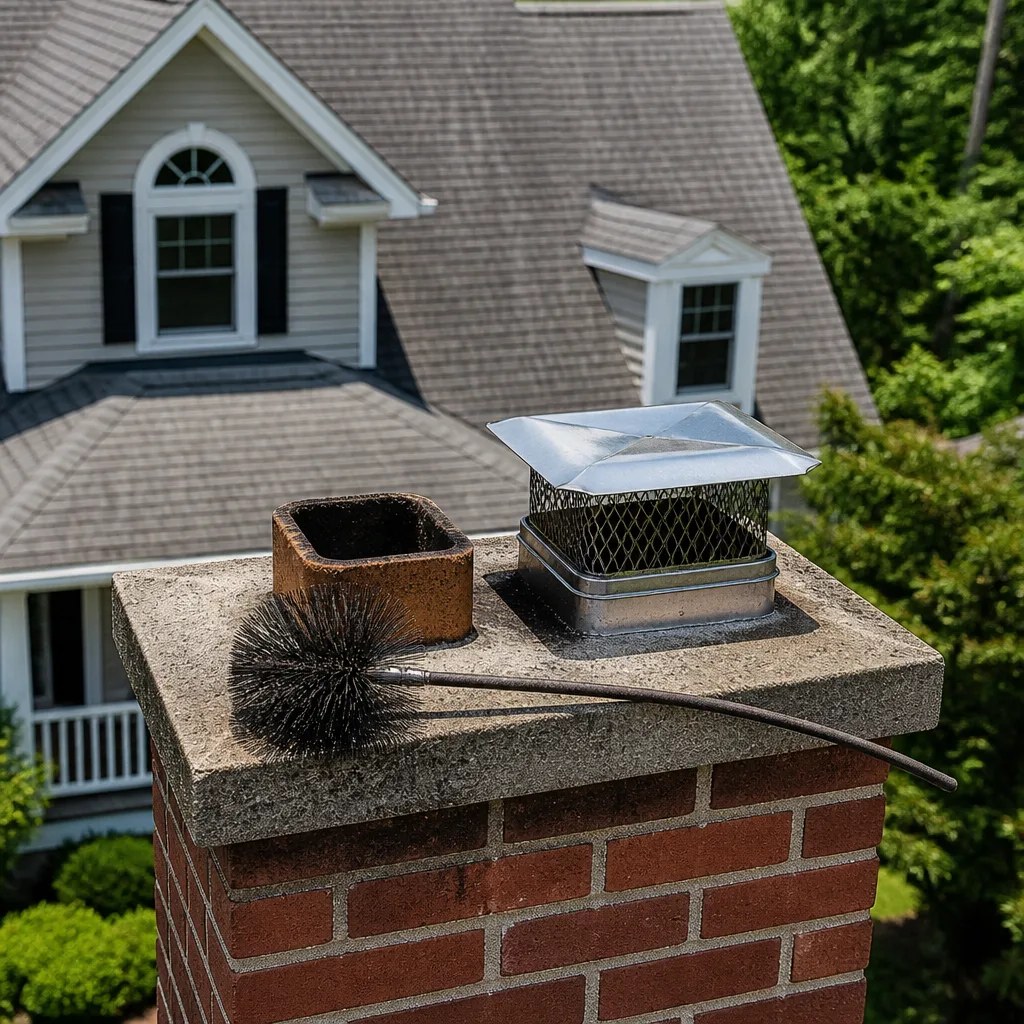 Sweep & inspection
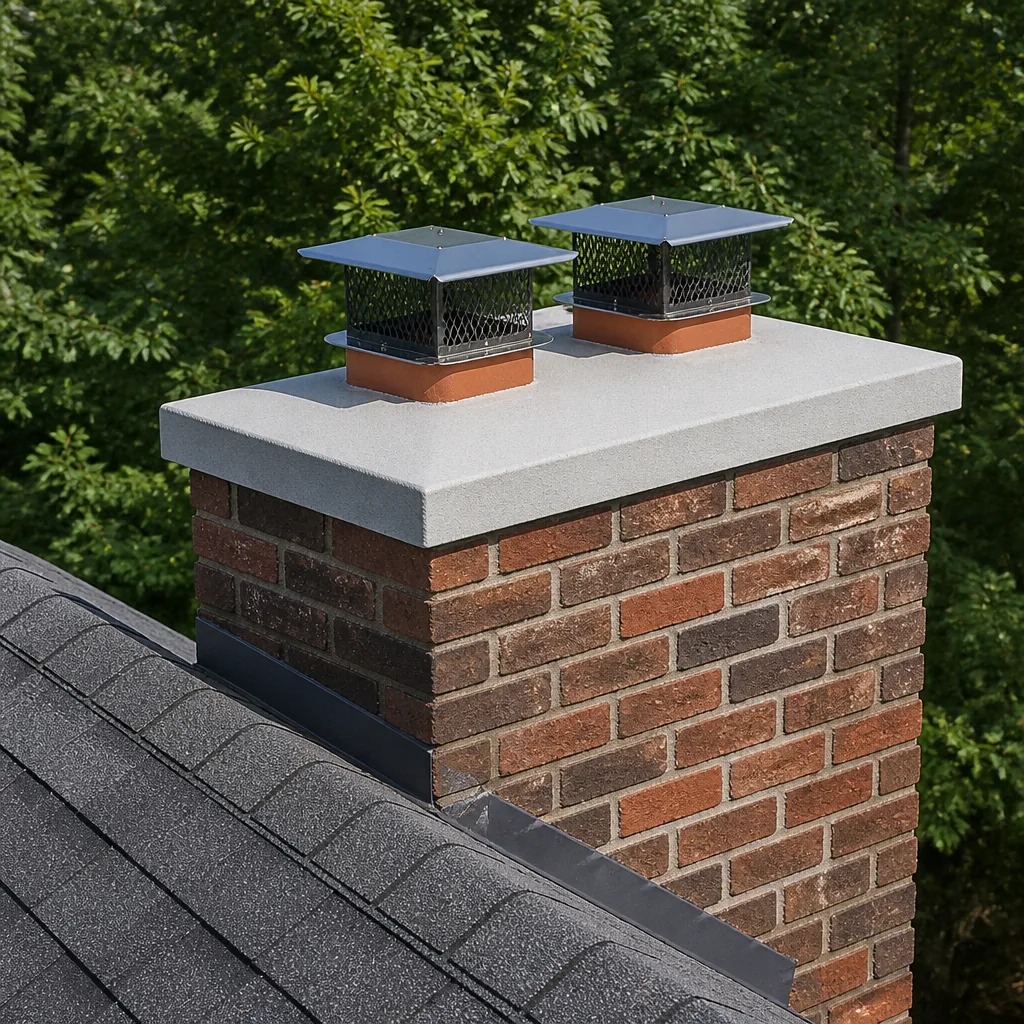 Caps & crowns
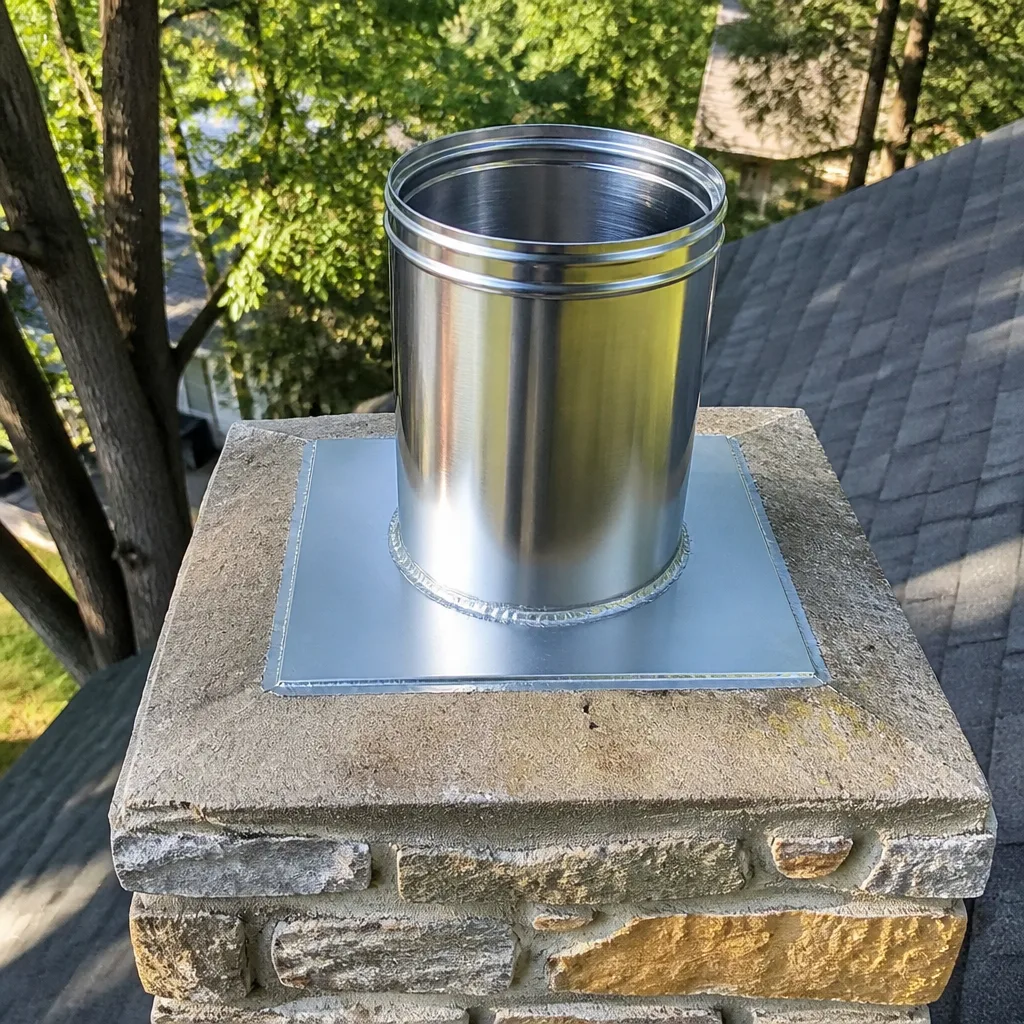 Flue relining
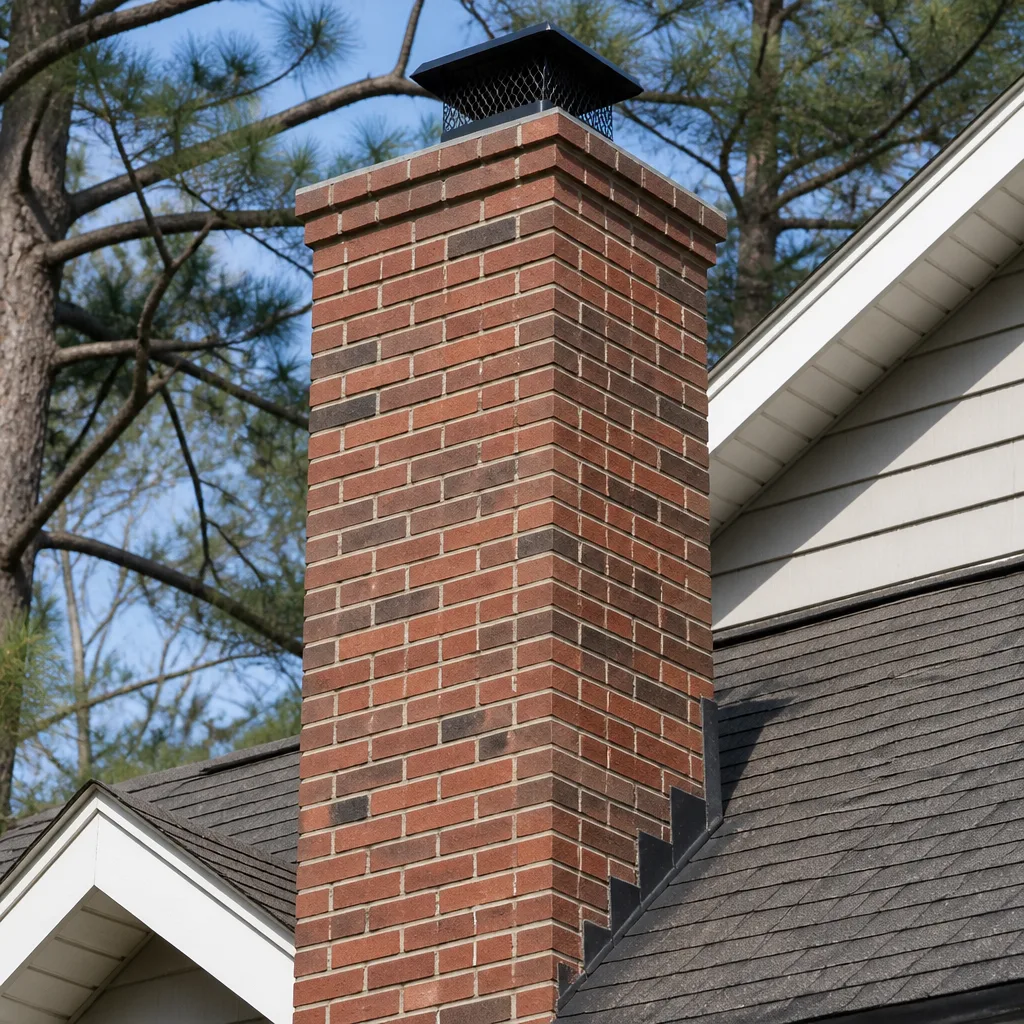 Masonry repair
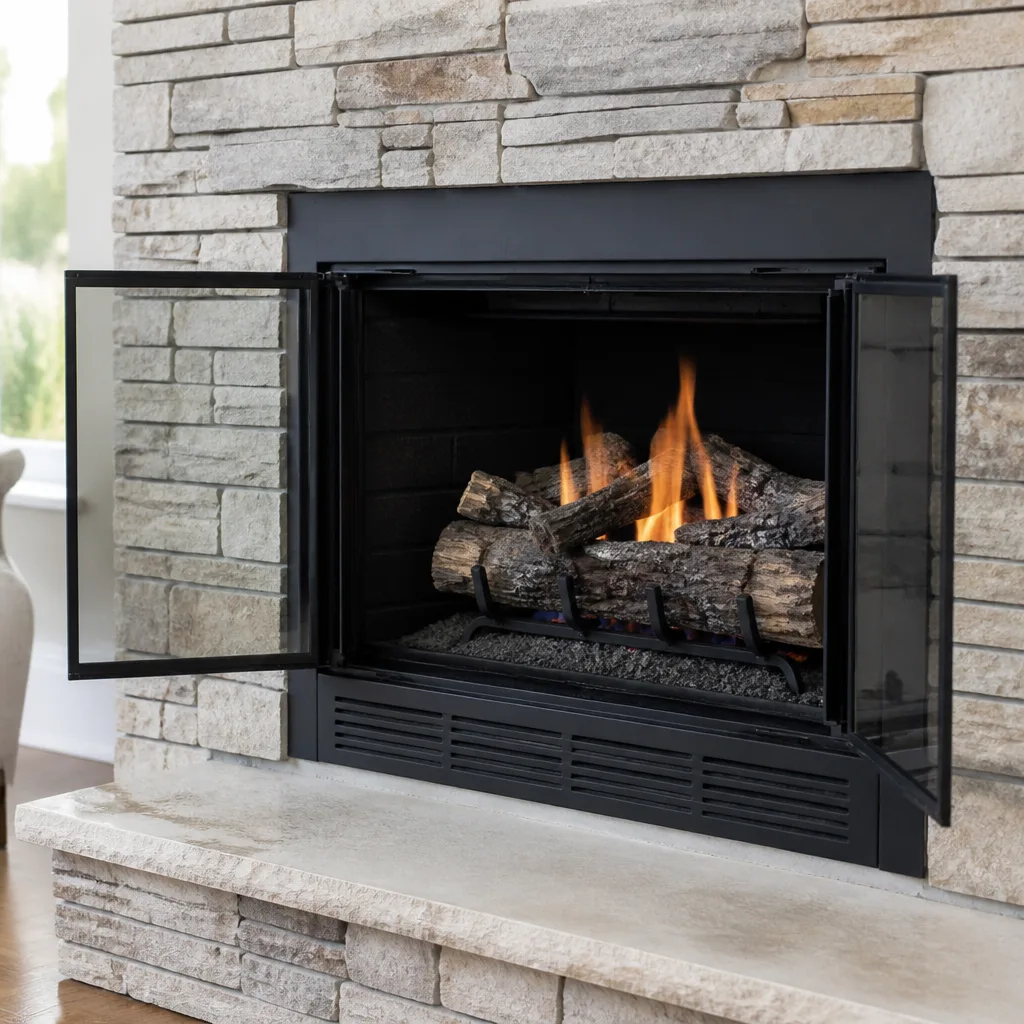 Gas fireplace service
Level 1 sweep and inspection to the NFPA 211 annual standard - flue, crown, cap, and flashing checked and photographed
Chimney sweep logs do not sweep chimneys. They loosen some creosote - which then falls where a brush and vacuum still have to collect it.
Chimney Cleaning Permits, Codes & Inspections in Bellevue, WA: What You Need to Know
Most homeowners assume the permit question comes up when they build a deck or finish a basement. Few expect it to surface over a chimney. Here’s the counterintuitive part: a routine chimney cleaning in Bellevue needs no permit at all, but the repair a cleaning often uncovers does. When a sweep finds a cracked crown, a deteriorated liner, or failing firebox mortar, that’s when the City of Bellevue’s permit rules apply. This guide walks through exactly which chimney services trigger a permit, how the Washington State Energy Code affects a fireplace insert or liner replacement, what NFPA 211 requires of the inspection itself, and the records you should keep. We’ll also cover why unpermitted repairs have a way of surfacing years later at closing or insurance time.
Quick Answer
Routine chimney cleaning and most inspections in Bellevue do not require a City of Bellevue building permit. What does require a permit is structural or system-level repair: liner relining, crown replacement, firebox rebuilds, masonry repair to the chimney structure, and fireplace insert installations. A fireplace insert or a liner replacement tied to an appliance can also fall under Washington State Energy Code requirements. Any contractor doing the permitted work should be able to show you the permit number and the inspection sign-off.
Styles & brands we work with
- Sweep & inspection
- Caps & crowns
- Flue relining
- Masonry repair
- Gas fireplace service
Table of Contents
- Which Chimney Services Need a Permit in Bellevue?
- Cleaning and Inspection: Why These Stay Permit-Free
- How the Washington State Energy Code Applies to Inserts and Liners
- NFPA 211, The Standard Behind Every Inspection
- What to Ask to See Before and After the Work
- How Permit Records Protect You at Sale and Claim Time
- What’s Different About Chimneys in Bellevue
- When to Call a Professional
Which Chimney Services Need a Permit in Bellevue?
The dividing line is simple in principle and blurry in practice. Maintenance keeps the system as it was. Repair or replacement changes, restores or alters the structure of the system. In Bellevue, the second category is where the building department expects to see a permit application filed before work starts. A Bellevue Chimney Sweep Co technician who finds any of the conditions below will flag it, and the permit step is part of what we schedule next.
Services that typically require a permit
- Liner relining – installing a new stainless liner or restoring an existing flue with a spray-in product counts as altering the venting system.
- Crown replacement or structural crown repair – the crown is part of the chimney’s weatherproofing envelope.
- Firebox rebuild or masonry repair – replacing firebrick, re-pointing the smoke chamber, or rebuilding damaged masonry in the firebox or flue.
- Chimney structural repair – masonry that has pulled away from the house, tuckpointing that goes beyond cosmetic surface work, and rebuilt chimney tops.
- Fireplace insert installation – a new insert changes the heat output and venting requirements of the appliance.
- Chimney height changes or extensions – raising a chimney to meet the 3-2-10 rule or to clear a new roof line.
Services that usually do not require a permit
- Sweeping the flue and firebox.
- A Level 1, 2, or 3 inspection as a standalone service.
- Installing or replacing a chimney cap.
- Replacing a damper of the same type.
- Minor mortar touch-ups that don’t change the structure.
The cap-and-crown category has an interesting wrinkle. A cap swap is maintenance. A crown rebuild is a structural repair. Those two jobs often arrive on the same estimate, and the difference in permit status matters. Our chimney cap & crown service handles both, and we’ll tell you plainly which half of the work needs the application. If you want the exact answer for your address before authorizing anything, ask the City of Bellevue’s permit desk directly; the rules can vary by the scope you describe.
Cleaning and Inspection: Why These Stay Permit-Free
A chimney sweep cleans. It does not modify. That’s the whole reason routine cleaning is exempt from Bellevue’s building permit process. The same holds for inspection. Neither changes the physical system, so neither triggers the code review that structural work requires. When you book a chimney sweep in Bellevue, expect it to proceed without any permit paperwork on your side.
What cleaning and inspection do produce is a record. That record is often more valuable than the cleaning itself, especially if it turns up a problem. Here’s what a professional visit typically involves:
- Setup and containment. Drop cloths and a sealed work area so soot stays out of your living room.
- Cleaning the flue. Brushes sized to the flue liner, worked from the top or bottom depending on the configuration.
- Cleaning the firebox and smoke shelf. These collect ash and creosote buildup the flue brush doesn’t reach.
- Removing the debris. Bagged and taken out, not vacuumed into your home’s air.
- A basic visual inspection. The technician checks the firebox, damper, smoke chamber, flue, cap, and visible exterior components.
- A written report. Findings, photographs where relevant, and recommendations phrased as either “do this before the next fire” or “this can wait.”
The cleaning itself stays exempt. But if step 5 turns up a cracked crown or deteriorating liner, the next phase of work likely moves into permit territory. We tell Bellevue homeowners this upfront so there’s no surprise when the estimate splits into “clean and done” versus “clean plus permitted repair.”
How the Washington State Energy Code Applies to Inserts and Liners
The Washington State Energy Code (WSEC) reaches into fireplace work more than most homeowners expect. The code’s core purpose is to reduce heat loss and improve how a home’s thermal envelope performs. A wood-burning fireplace with an open hearth is essentially a hole in that envelope. When you install a fireplace insert, the insert’s efficiency and venting have to meet WSEC requirements for the appliance category it falls under. A liner replacement tied to a new or altered appliance usually falls within the same review.
What WSEC means in practice
A gas or wood insert that replaces a decorative open fireplace generally needs to meet efficiency thresholds and approved venting. That’s why the permit application for an insert typically includes both the appliance specification and the venting plan. The liner can’t be selected independently of the appliance. This is one reason we stock and install trade-grade materials from makers like DuraFlex and Olympia Chimney: the specification sheets need to line up precisely with what the code and the appliance manufacturer both require, and hardware-store venting kits rarely do.
For a liner replacement alone, the WSEC question usually comes down to whether the new liner matches the appliance it serves and preserves the venting performance the code assumes. That’s why “just drop a new liner in” isn’t a useful description of the job. The liner has a specification, the appliance has a specification, and the permit inspection looks at both.
A note on fireplace inserts specifically
Inserts are a common upgrade for Bellevue homes that have a fireplace but want more heat from less wood. The permit for an insert application will typically include the appliance listing, the venting design, and clearance-to-combustible documentation. If your contractor can’t produce those three items on demand, ask why. A licensed installer will have them ready.
NFPA 211, The Standard Behind Every Inspection
NFPA 211 is the National Fire Protection Association’s standard for chimneys, fireplaces, vents, and solid fuel-burning appliances. It’s the reference most chimney professionals work from, and it’s the standard that defines the three inspection levels you’ll hear mentioned on any professional visit. NFPA 211 isn’t a city statute, but Bellevue’s inspectors and any qualified chimney contractor use it as the shared language for what “inspected” actually means.
The three inspection levels
- Level 1. A visual inspection of the readily accessible portions of the chimney, firebox, and connected appliance. Appropriate for a routine annual visit when nothing has changed.
- Level 2. Everything in Level 1 plus accessible portions of the attic, crawlspace, and any concealed areas, often using a camera. Required after a chimney fire, after a change in appliance, and for real estate transactions.
- Level 3. A Level 2 plus removal of components that block access, such as a section of the crown or a wall panel. Reserved for a diagnostic question that can’t be resolved otherwise.
What NFPA 211 asks the contractor to document
A written NFPA 211 inspection report should identify the appliance, the venting type, and the condition of each inspected component. It should also list any defects that need correction and any defects that make the chimney unsafe to use until corrected. That last distinction is the one insurance carriers and real estate agents care most about. Without it, an inspection report is just a note that says “looks fine.”
An inspection is a standalone service we offer, in large part because buyers, sellers, and property managers in Bellevue need exactly that: a credentialed, documented chimney assessment without bundling it with sweeping or repair work. When we deliver a report, it’s structured so your insurance carrier or real estate agent can read it without a phone call back to us.
What to Ask to See Before and After the Work
Homeowners don’t often ask a chimney contractor for paperwork. That’s exactly why you should. The three items below are the ones that matter for permitted chimney work in Bellevue, and a contractor who can produce them without friction is a contractor worth trusting with the job.
Before work starts
- The permit number. For structural repair, liner replacement, firebox rebuild, or an insert installation, ask for the permit number the contractor filed with the City of Bellevue. If they say a permit isn’t needed, ask them to explain in writing why not.
- Certificate of insurance. Request a current certificate showing general liability coverage. The company we connect you with is insured as their trade requires, and the contractor you hire should hand this over without hesitation.
- The written estimate. Scope of work, materials, and the schedule. The written estimate sets the final price.
After work is done
- The final inspection sign-off. The permitting authority performs an inspection when the work is complete. Keep that sign-off with your house records.
- The written NFPA 211 inspection report. Even if the inspection was bundled into the repair job, ask for the written report as a separate document.
- Material specification sheets. For a liner replacement, the specification sheet for the liner that was installed. That sheet tells the next inspector, and the next owner, what’s actually in the flue.
Few homeowner records get pulled back out of the drawer as often as these three. Whether or not you plan to sell, having the paperwork in hand removes any doubt about whether the work was done right.
How Permit Records Protect You at Sale and Claim Time
This is the part of the guide that saves Bellevue homeowners the most trouble, years later. A permitted chimney repair leaves a paper trail the city maintains. An unpermitted one leaves nothing. When the time comes to sell, that absence has a way of surfacing, often during the buyer’s inspection phase.
At sale
Bellevue home sales almost always involve some form of disclosure. Structural work done without a permit can become a disclosure obligation, and buyers and their agents routinely pull permit history for the home before making an offer. If the buyer’s inspection notes a newer liner or a rebuilt crown but no permit shows in the city’s records, that gap becomes a negotiation point. The seller typically ends up paying for a retroactive inspection, a permit, and possibly redoing the work if it wasn’t done to code.
At claim time
Insurance carriers look at cause and maintenance when a chimney-related claim arrives. A well-documented repair, an inspection report, and a permit sign-off establish that the chimney was maintained and the work was done correctly. Missing that documentation, a carrier can decline to cover a claim it reads as homeowner neglect or unpermitted structural change. That’s the practical reason the permit step matters even when the repair would pass inspection anyway.
At refinance
Some lenders request documentation for major structural repairs to a home before they’ll complete a refinance or a home equity line. A chimney crown replacement or masonry rebuild that’s on the books as permitted moves through that review without a delay. A rebuild that nobody has a record of can stall the process while everyone hunts for documentation that doesn’t exist.
The general pattern is that permitted work costs a little more upfront and saves a lot of headache on the back end. We won’t tell you every job needs a permit – many don’t – but we will tell you when it does and write it into the estimate.
What’s Different About Chimneys in Bellevue
Chimneys work the same way in Bellevue as they do anywhere else, though the local climate and the local housing stock add their own quirks. Bellevue’s wet winters mean the exterior of a chimney takes a long, sustained soak every year. The crown, the cap, and the masonry joints above the roofline are the components that bear the brunt of it. Bellevue’s neighborhoods, from Crossroads and Lake Hills to Bridle Trails and Somerset, are full of houses with chimneys that are old enough to have had liners replaced or crowns rebuilt once already.
That matters for permits in a specific way. Work that was previously done to a Bellevue chimney – permitted or not – affects what the City of Bellevue will accept for the next round of repairs. A failed liner inspection on a flue that already has a stainless liner installed means a different set of decisions than a failed inspection on an original clay flue. We pull whatever inspection history we can before we quote, because we’d rather know what we’re working with.
The heat, the wood, and the creosote factor
Fall and winter chimney use in Bellevue tends to be steady rather than heavy. That produces a different creosote pattern than a home that burns constantly. Creosote buildup, and the risk of a chimney fire that comes with it, is a real reason to book a sweep before the burning season rather than after. We’re not going to tell you the risk is bigger than it is. The simple truth is that creosote is the fuel a chimney fire needs, and a sweep removes it.
Water intrusion is the structural problem
Given Bellevue’s wet climate, most structural damage we look at traces back to water. A missing chimney cap or a cracked crown lets rain into the flue and the masonry. Over a few seasons that water works on the same joints and liners that haven’t started to crack yet. Structural repairs (crowns, masonry, liner) are exactly the category that usually needs the City of Bellevue permit. The fix has more to do with the fact that the crown rebuild is a structural change than with the water itself.
If you’re looking at the second half of a fireplace repair estimate and wondering whether the work is worth it, ask us which components are doing what. We’ll draw the line between what’s cosmetic, what’s structural, and what needs a permit before anyone lifts a trowel.
Common Mistakes to Avoid
- Assuming any cleaning is exempt from everything. Cleaning is exempt from the permit process. It is not exempt from NFPA 211 or from an inspection that documents the chimney’s condition. Skipping the documentation pass leaves you with no record and no basis for the next conversation.
- Letting a contractor talk you out of a permit for structural work. A contractor who says a liner replacement in Bellevue doesn’t need a permit is either wrong or hoping you don’t ask. If they won’t put their answer in writing, ask again.
- Authorizing a liner replacement without seeing the evidence first. A written report with photographs of the actual flue condition is the standard. Nothing is recommended without camera evidence you can see for yourself.
- Hiring a sweep-only company for a liner job. Many sweeps don’t carry the permits, materials, or trade relationships to complete structural work. That’s why we stock HeatShield restoration products alongside DuraFlex: the repair shouldn’t require a second contractor.
- Skipping the inspection report on a home purchase. A pre-purchase chimney inspection is a small line item that can reshape a negotiation. A buyer who knows the crown is gone has leverage; a buyer who doesn’t finds out at the wrong moment.
- Not keeping the paperwork. Permit sign-off, inspection report, and material spec sheets all belong in your home records. If you ever sell, refinance, or file a claim, you’ll need them.
- Assuming a real estate inspection means the chimney is clean. A Level 2 inspection evaluates condition. It doesn’t remove creosote. Buyers routinely get one and discover a season’s worth of buildup waiting.
When to Call a Professional
Call a professional for anything that changes the structure of the chimney or that requires a permit, and for any inspection that will be handed to a buyer, seller, or insurance carrier. Call us if your flue has never been inspected, if a previous repair has no paperwork, or if you’re buying a home with a fireplace and want a documented condition report before closing. Call us before the burning season if you’re due for a sweep. And call us if a contractor has told you a lin
See the difference
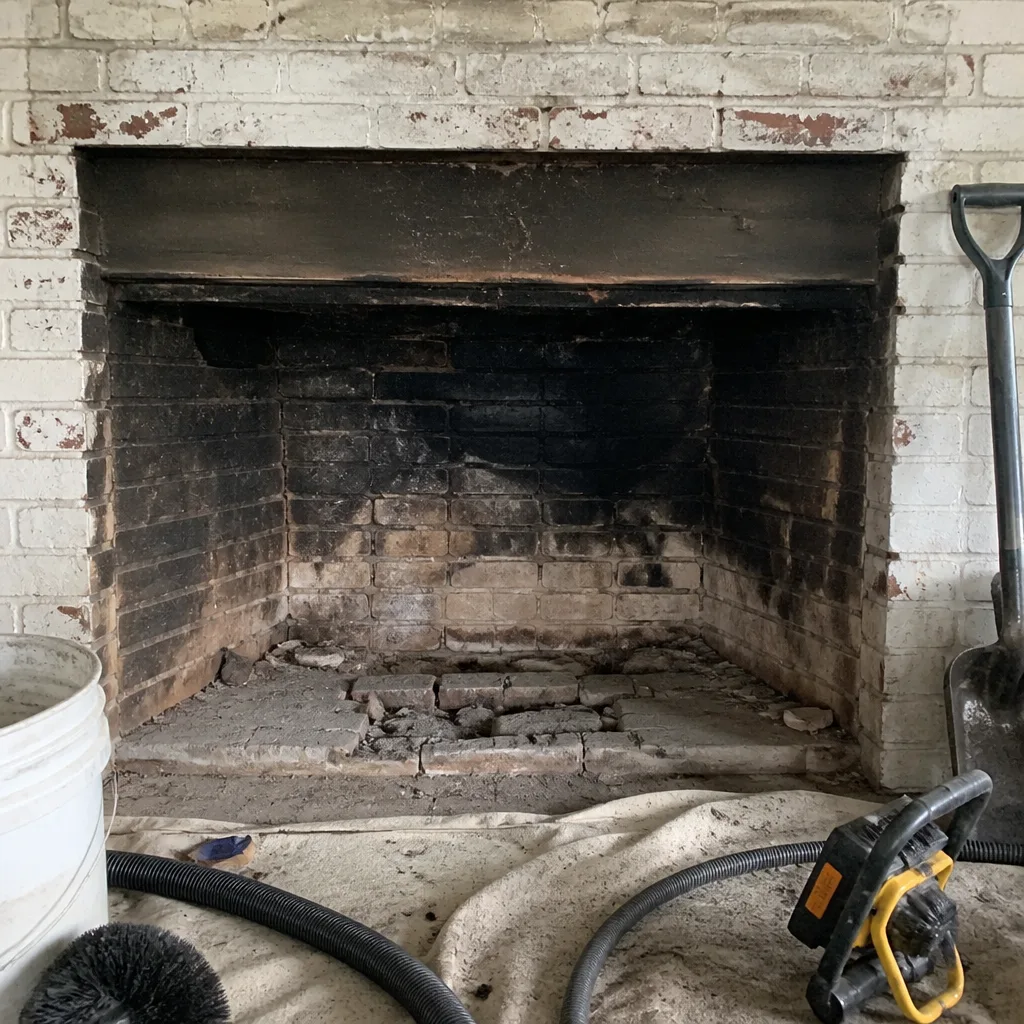
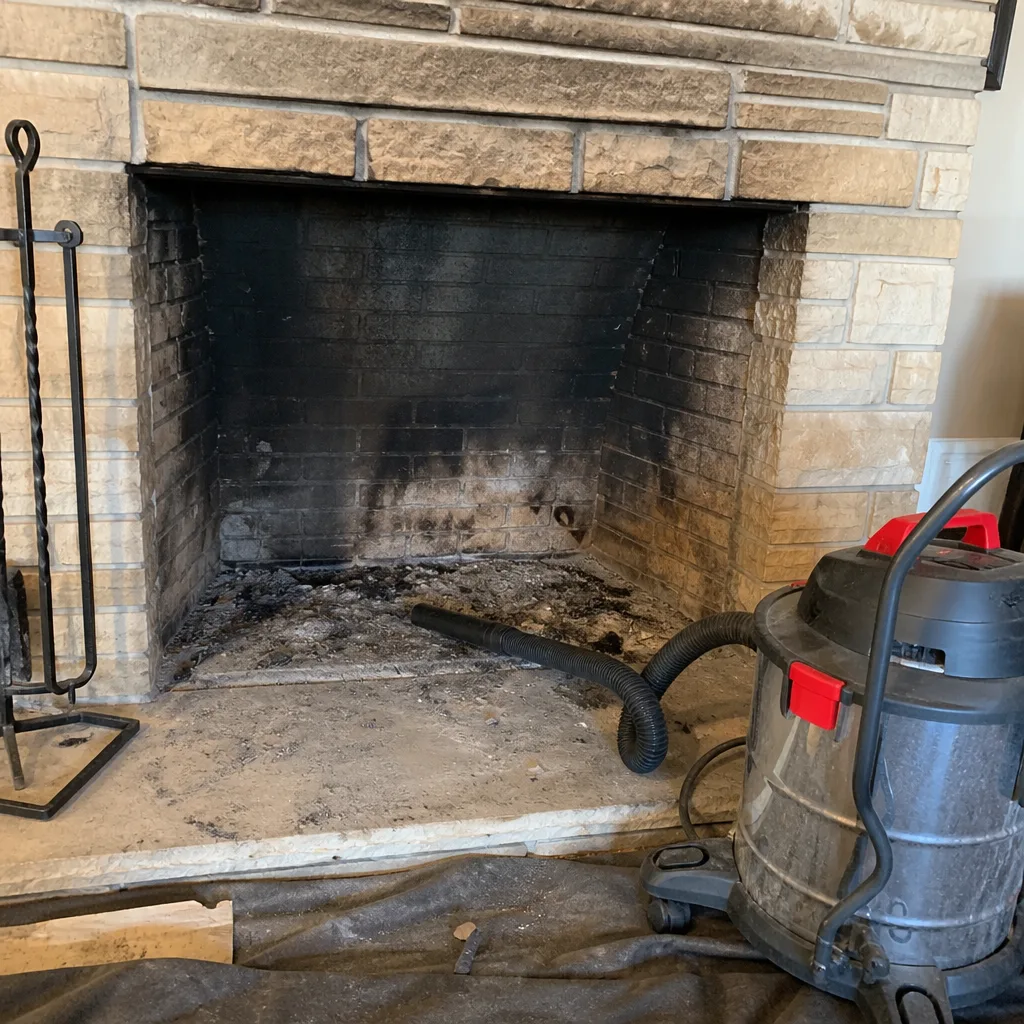 Before
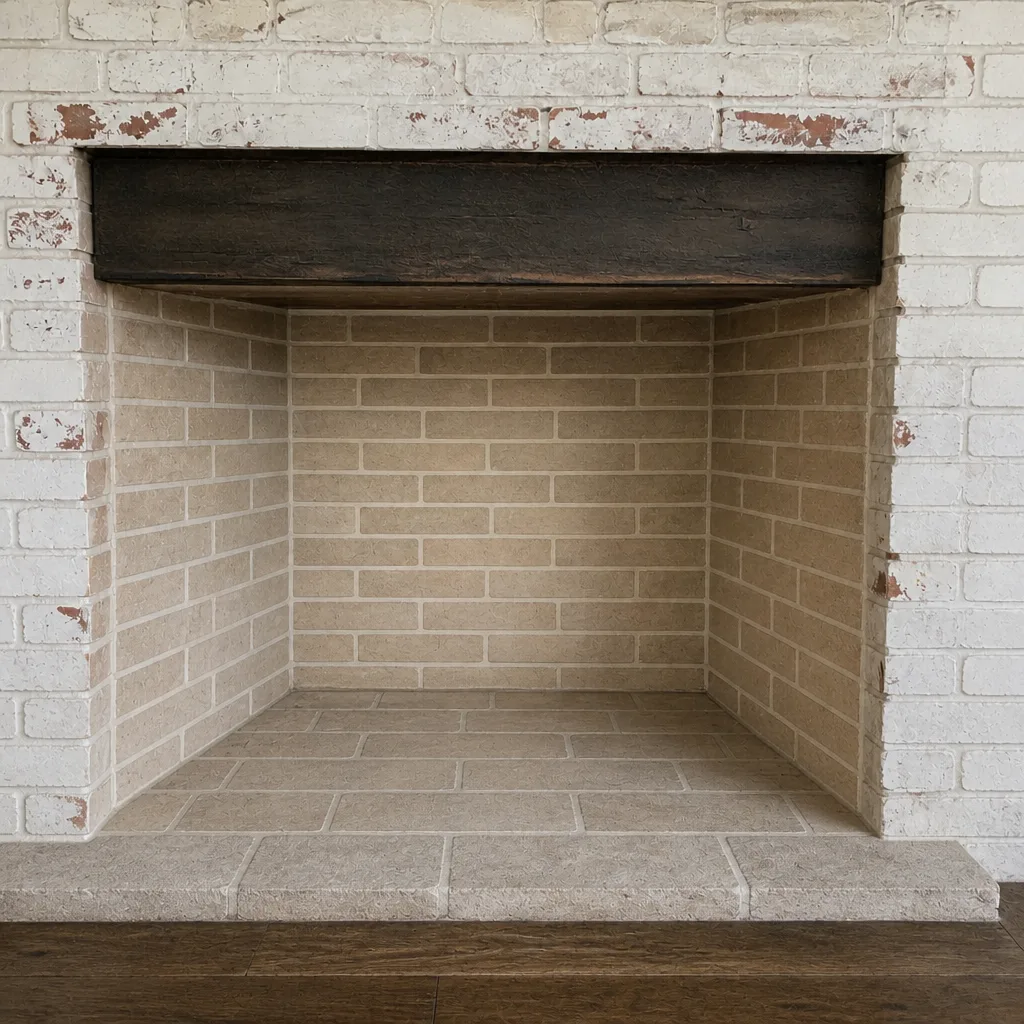
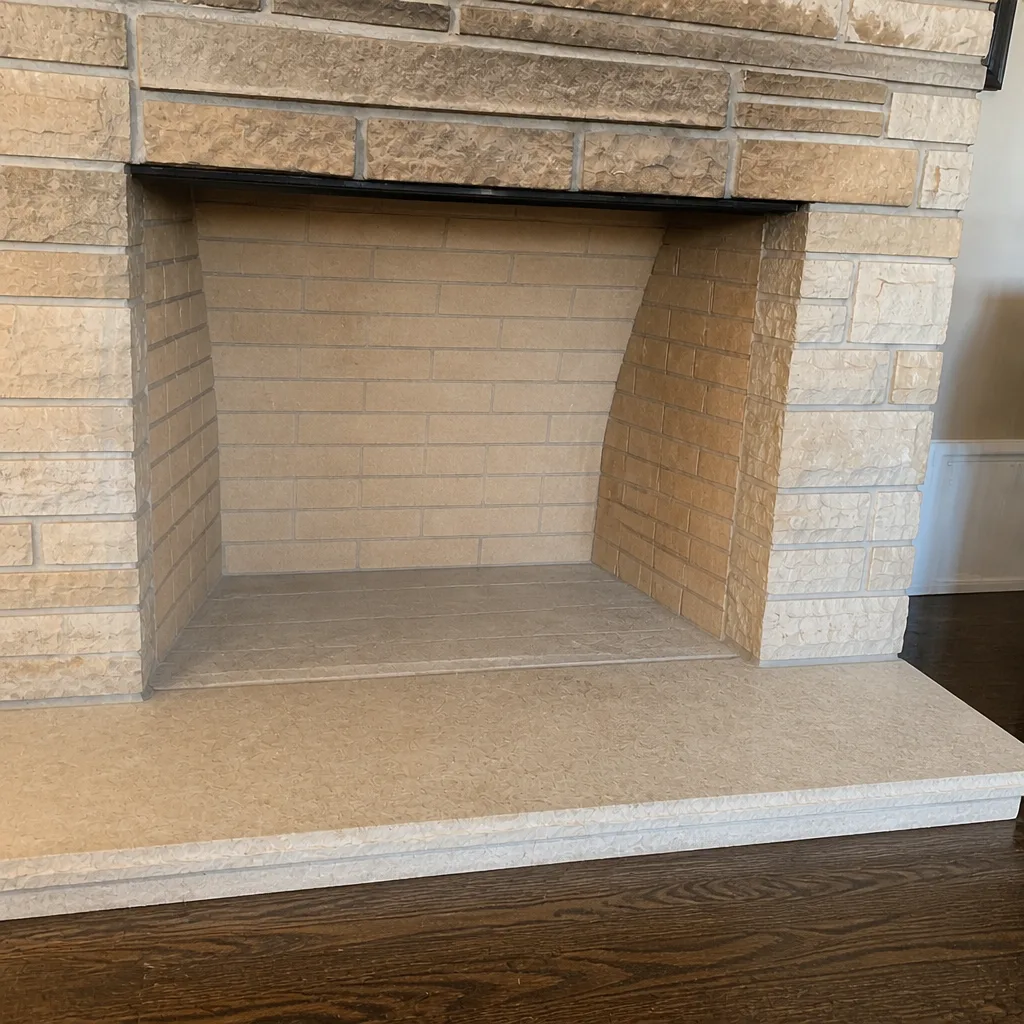 After
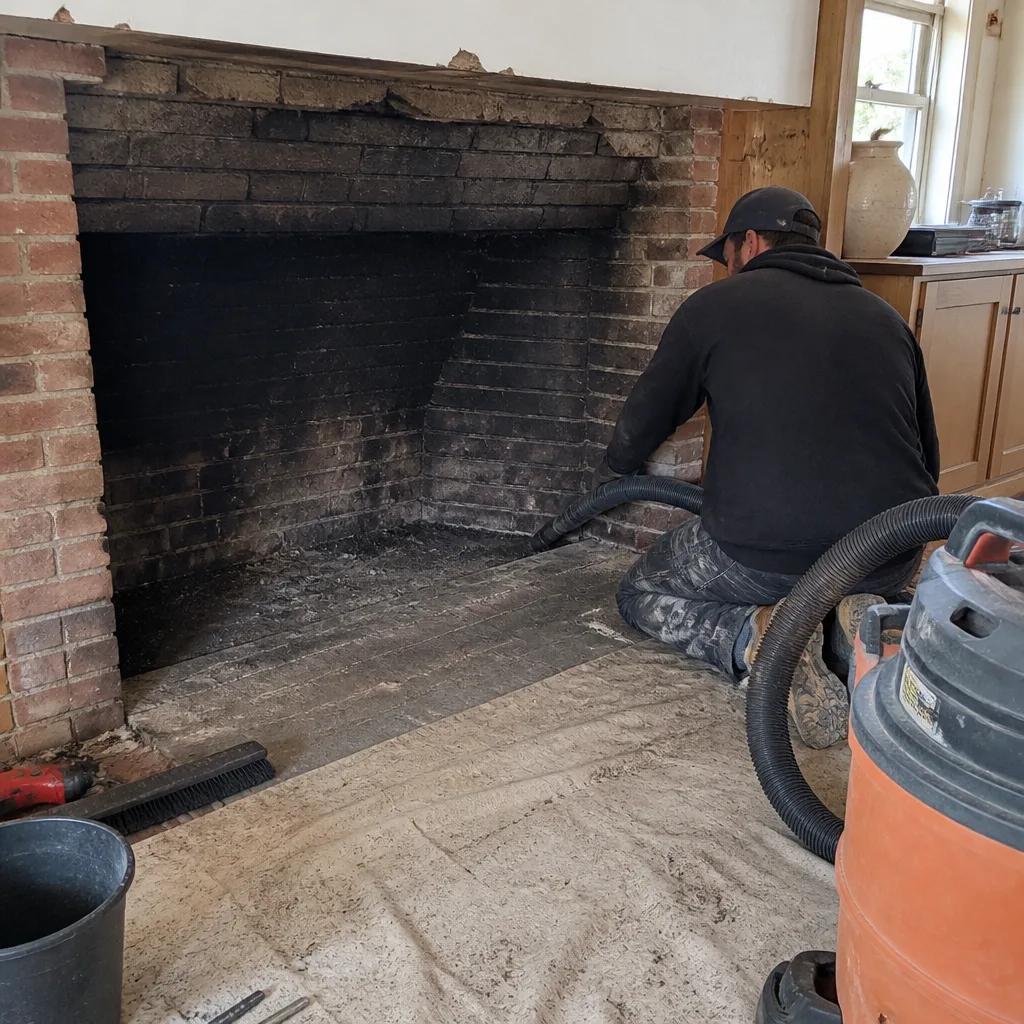 Before
 After
 Before
 After