
Last updated November 23, 2026
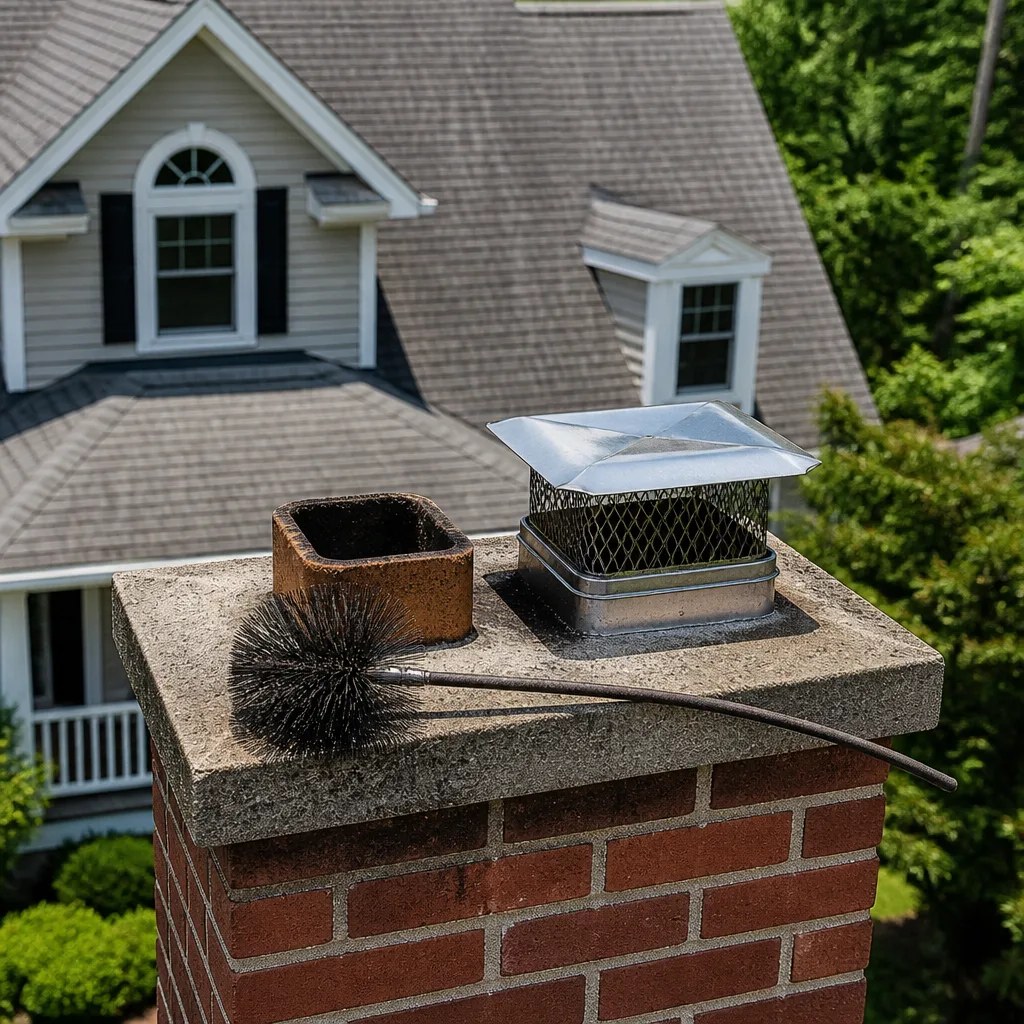 Sweep & inspection
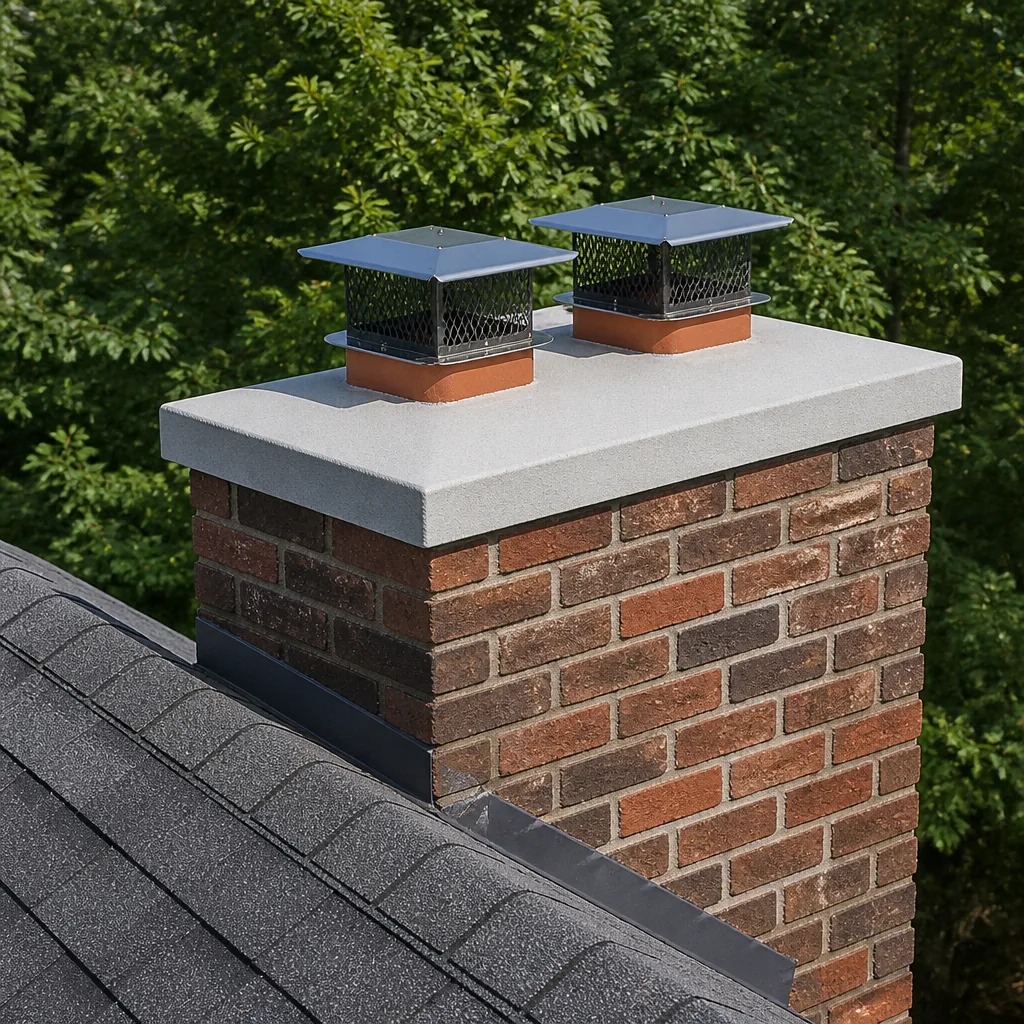 Caps & crowns
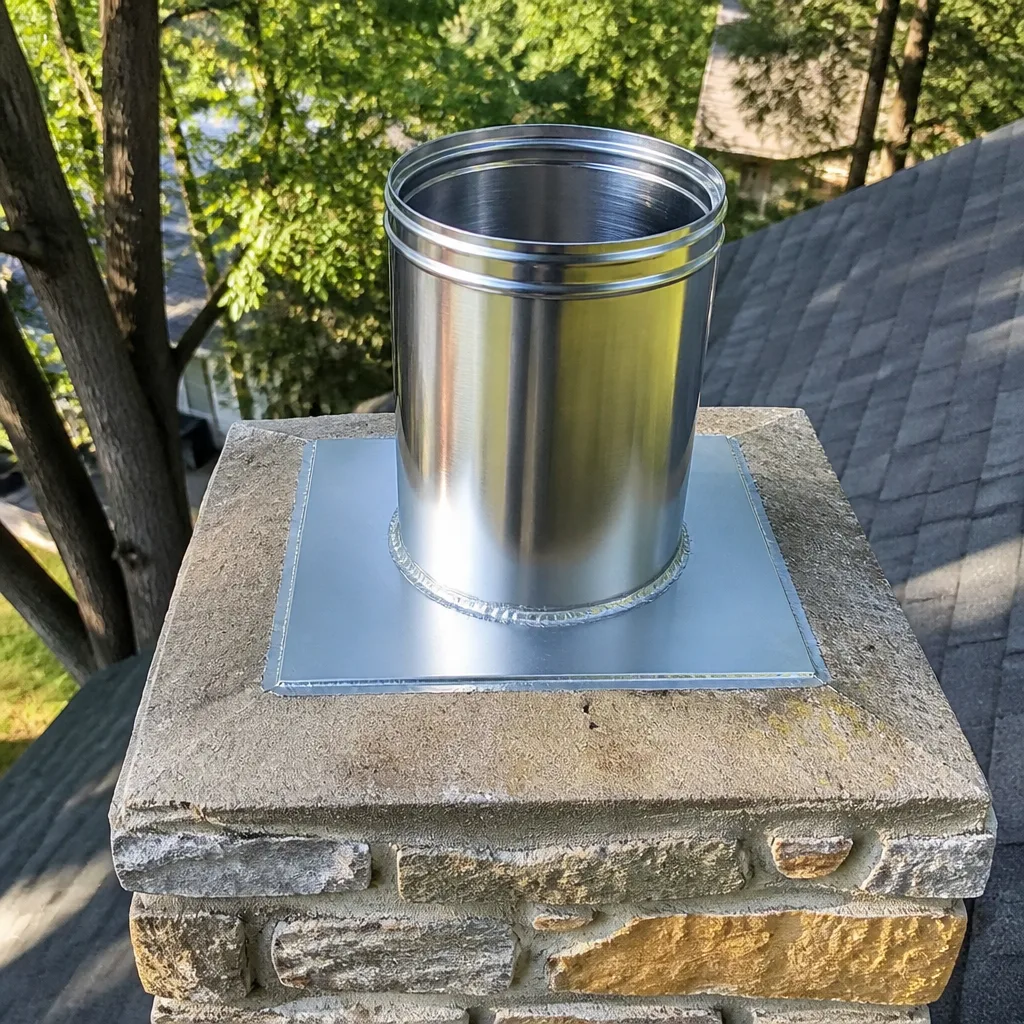 Flue relining
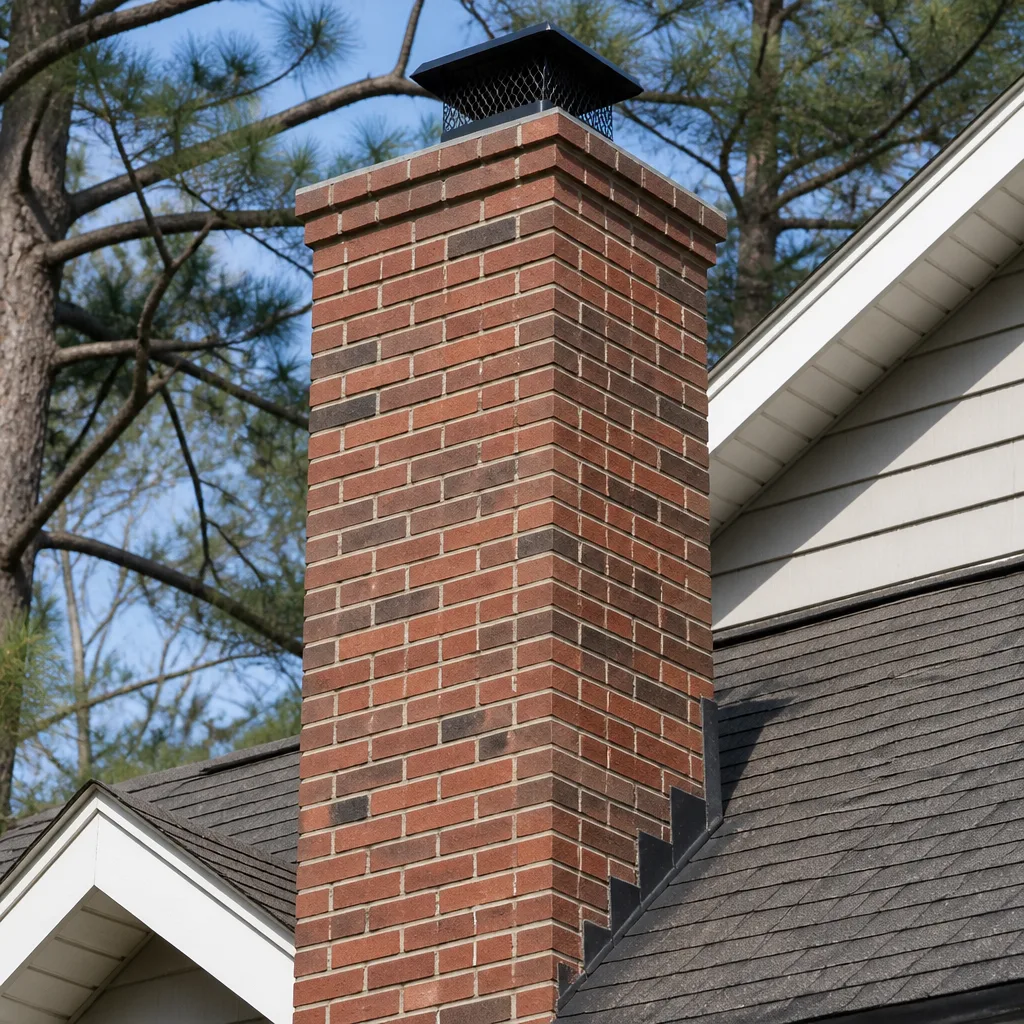 Masonry repair
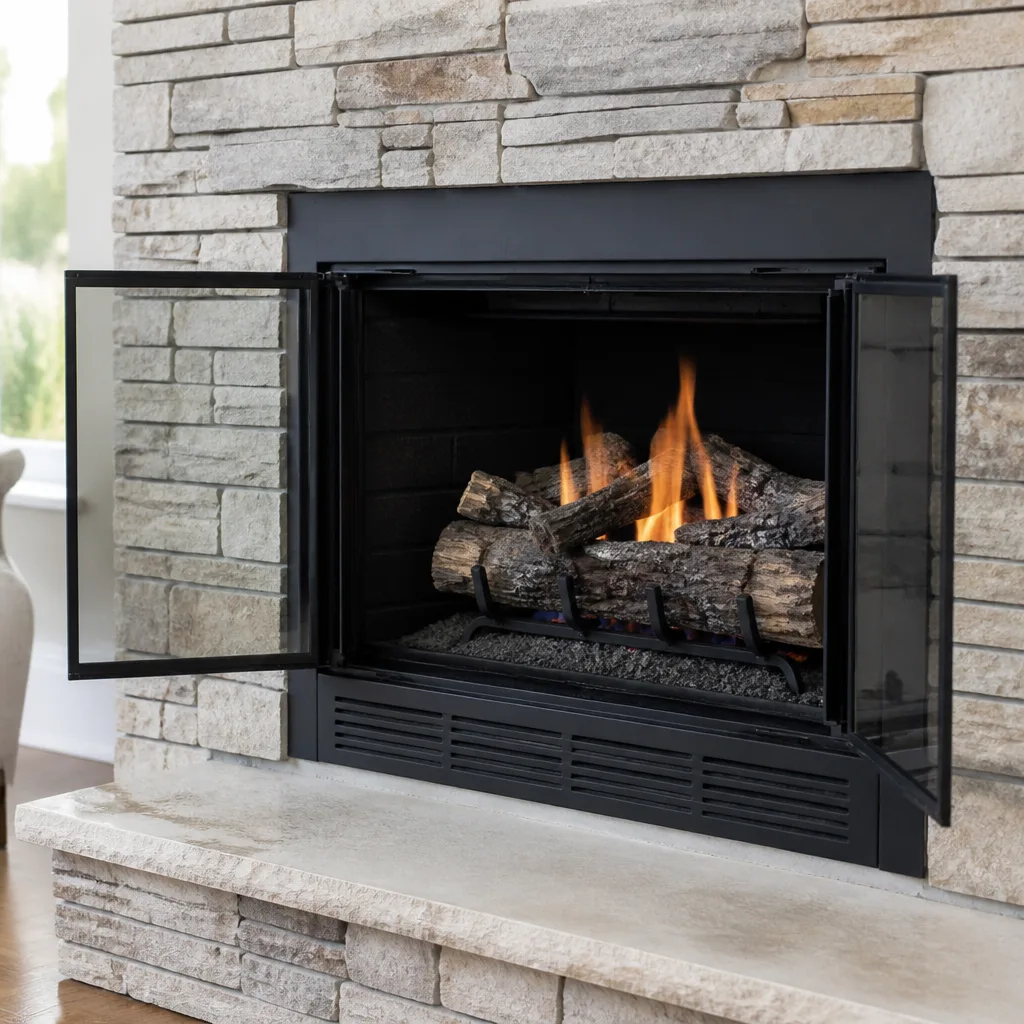 Gas fireplace service
Level 1 sweep and inspection to the NFPA 211 annual standard - flue, crown, cap, and flashing checked and photographed
Chimney sweep logs do not sweep chimneys. They loosen some creosote - which then falls where a brush and vacuum still have to collect it.
Chimney Sweep Maintenance Checklist for Bellevue Homeowners
The most common thing a chimney sweep hears at the door is some version of “we had no idea.” Almost every chimney problem we’re called out to fix in Bellevue started as something visible months, sometimes years, before it became expensive. Most maintenance checklists make the same mistake: they tell you when to call, not what to actually look at before you do. This guide flips that. It’s a checklist you can run yourself, from the firebox to the roofline, with no tools and no ladder. You’ll learn which observations are normal, which ones mean “call now,” and what to log so your next professional sweep in Bellevue can calibrate the work to how you actually burn.
Quick Answer
A homeowner’s chimney maintenance checklist has three parts: quarterly visual checks you can do from the fireplace opening and from the ground, a fuel-and-burn log that tracks what you’ve burned and how often, and an annual professional sweep and inspection before burning season. Check the firebox, damper, smoke chamber, cap, crown, and exterior brick yourself between visits; let a trained technician handle anything above the roof edge or inside the flue. The checklist exists so problems get caught while they’re still cheap to fix.
Styles & brands we work with
- Sweep & inspection
- Caps & crowns
- Flue relining
- Masonry repair
- Gas fireplace service
Table of Contents
- The Inside Checklist: What You Can Safely See From the Firebox
- The Outside Checklist: Reading Your Chimney From the Ground
- Burn Behavior Flags: What Your Fire Is Telling You
- The Burn Log: How to Track Fuel and Frequency
- Why There’s No Single “Right Date” for a Chimney Sweep in Bellevue
- Call Now vs. Can Wait: Sorting Your Checklist Findings
- When a Standalone Inspection Matters
The Inside Checklist: What You Can Safely See From the Firebox
Start every check where you build fires. The firebox interior, the damper, and the throat of the chimney are all visible from inside the room without a tool in your hand, and they tell you more about the fire you had than any exterior view will. None of this is DIY cleaning; it’s reading. We’re not asking you to put a brush in the flue. We’re asking you to look, note, and photograph. Photographs taken now are worth a great deal when a technician arrives and you can show what changed and when. That’s true whether you book a routine chimney sweep or a repair call.
Work through these points with a flashlight:
- Firebox walls: Look for cracks in the brick or mortar joints, and any white, powdery or crusty buildup on the surface. Loose or spalling firebrick around the back and sides is worth noting and photographing.
- Damper: With the fire cold, open and close it. It should move with a slight drag but open fully flat and close fully sealed. A damper that jams halfway, or one that no longer closes tight, changes how your house drafts and how much heat escapes up the flue when the fireplace is idle.
- Smoke chamber throat: Shine the light up past the damper. The walls above it should look like clean masonry or a smooth, finished surface. Heavy creosote buildup, a crumbling mortar joint, or a lip of masonry blocking the opening are all worth reporting.
- The firebox floor and ash dump: Check for cracks or gaps. If your fireplace has an ash dump door, open it and confirm it seats closed.
- Surrounding trim and hearth: Look for soot smudges above the opening, discolored stone, or heat marks on the mantel edge. Those point to draft problems you’ll read more about below.
Fire is hot, and creosote is flammable; that’s the whole reason this checklist exists. But the one thing we never suggest is climbing into the firebox with a scraper or wire brush to clean what you see. Glazed creosote is stubborn by design, and removing it without damaging the flue liner takes the right tools and a trained eye. Look, log, and let a professional handle the cleaning on the way to your fireplace repair interview or to a routine service.
The Outside Checklist: Reading Your Chimney From the Ground
You don’t need to get on the roof to learn a lot about your chimney. Everything from the ground up is your first signal about water. In Bellevue’s damp climate, water intrusion is the slowest and most common destroyer of chimneys, and it almost always announces itself well before it does structural damage. If you see any of the following, note it and photograph it from the same spot each time so you’re comparing like with like across seasons:
- Chimney cap: Stand back and confirm the cap is present, sitting level, and fully covering the top of the flue. A missing or rusted-through cap is the single most common entry point for rain, animals, and debris. We install chimney cap & crown solutions that stop it at the source.
- Crown: The concrete or masonry slab at the top of the chimney should slope away from the flue on all sides. Look for visible hairline cracks that have opened up, chipped edges, or a crown that appears to be pulling away from the brick.
- Efflorescence: That white, chalky, salt-like stain on exterior brick is mineral residue pushed out by moisture moving through the masonry. It’s not cosmetic. It’s a marker that water is getting in and drying out through the brick, and it’s worth a look by a technician.
- Brick and mortar joints: Check for spalling, flaking, or brick faces popping off, and for mortar joints that have recessed or crumbled (what the trade calls “pointing” failures).
- Flashing: Where the chimney meets the roof, look for gaps, lifting, or rust on the metal. This is the roof’s job as much as the chimney’s, but it’s still a chimney-water path and worth reporting.
- Leaning: A chimney that appears visibly leaning, or separated from the house along a horizontal line, is a call-now finding.
Binoculars help. They’re not a substitute for a roof inspection, but they’ll let you track changes over a season without putting your feet anywhere dangerous. That alone makes them worth keeping in the hall closet. If you’d rather a trained eye do the reading, that’s exactly the work we do on every visit.
Burn Behavior Flags: What Your Fire Is Telling You
Your fireplace talks to you every time you light a fire. Behaving badly is one of the most common ways a chimney asks for attention, and most homeowners write the symptoms off as “just how it is.” It isn’t. Here’s what a draft problem or blockage looks like in the room, before anyone touches a brush:
- Smoke rolls into the room instead of up the flue. Some roll is normal on a cold start; a fireplace that keeps rolling smoke after the fire is established is not.
- You smell smoke when no fire is lit. A cold fireplace that smells of smoke, especially on a windy or pressure-changing day, suggests a draft reversal or a flue that isn’t venting properly.
- The fire struggles to catch or burns lazily. Wood that has caught should keep going. A fire that repeatedly starves out with the damper wide open points to restricted draft.
- Flames lean strongly to one side, or spill toward the room opening. Persistent directional lean can mean an obstruction or a smoke chamber problem.
- Excess smoke in the room when you add wood. A little is expected at the reload. Heavy smoke that hangs means the flue isn’t evacuating as fast as you’re adding fuel.
- Ash and soot collecting above the firebox opening. Black streaking on the stones above a fireplace is a visual record of smoke going where it shouldn’t.
None of these are “clean it and it’ll be fine” problems to diagnose on your own. A draft flag warrants a call, because the cause could be a blockage, a damaged liner, or a smoke chamber issue, and the fix depends on which one it is. This is one of the findings on your checklist that immediately warrants professional attention. Carbon monoxide is the reason to take it seriously: a blocked or damaged flue can vent combustion gases back into the house instead of outside, and those gases are odorless. Be specific and prompt about it, but don’t panic. The solution is nearly always straightforward once we can see what’s happening.
The Burn Log: How to Track Fuel and Frequency
Here’s the part of the checklist most homeowners skip, and it’s the part that changes the whole appointment. Log what you burn and how often. A maintenance schedule is not the same as a calendar; it’s a function of how much soot and creosote your own burning pattern creates. Two Bellevue homes with identical chimneys can need very different service intervals because one has a fire most evenings in winter and the other lights up a handful of times a year. When we know your real pattern, we can calibrate the sweep and set your next interval to your actual use instead of a guess.
Your log needs five columns, and you can keep it on a notepad by the woodpile or a note on your phone:
- Date: Every time you light a fire.
- Fuel type: Seasoned hardwood, softwood, manufactured logs, or anything else. Hardwood and dry, well-seasoned wood burn hotter and throw less creosote than green, wet wood.
- Approximate volume: Roughly how much wood went in (a couple of splits, a full load).
- Burn duration: Hours the fire was active.
- Observations: Any smoke in the room, drafts, unusual smells, or performance changes. This is where your burn-behavior flags get recorded.
A month of that log tells a sweep more than a stack of receipts. Bring it to your appointment. It’s also how you spot a change. If your fires behaved the same way all last winter and suddenly don’t, the difference is the interesting part. When it’s time for the service itself, our chimney sweep team can use your log to decide whether a standard sweep meets your need or your chimney needs a closer look. The fireplace repair angle works the same way: logged symptoms point a technician straight to the area that matters.
Why There’s No Single “Right Date” for a Chimney Sweep in Bellevue
Most chimney maintenance advice pivots on an arbitrary calendar date, and in Bellevue that’s a trap. A chimney needs sweeping based on conditions: how much you burned last season, the fuel you used, what kind of chimney you have (masonry or factory-built), and what the last inspection found. A date-driven schedule produces late sweeps on busy chimneys and wasted ones on barely-used ones. The checklist approach is condition-driven, and that’s the whole point. The right time to sweep is the time your conditions say, and the best moment to establish your conditions is now, before the burning season pushes everyone into the same appointment queue.
Bellevue’s climate gives us one firm seasonal anchor: our wet season runs long and our burning season is short. That means the window to sweep and inspect is predictable even if the date isn’t. Plan to close out your checklist review and book your service before the first real cold snap, and use the shoulder months to fix what the inspection finds. Water damage from a wet winter is a summer problem to solve, not a November one. The rain isn’t done by the time you want to burn; the repairs you agreed to in the sun are what let you burn safely.
The annual visit and the between-visit checklist
There are two rhythms here, and it helps to hold both in your head. The annual professional sweep and inspection is the baseline, handled by a trained technician with a camera. The between-visit checklist is the one you’re holding now, run between appointments, monthly during burning season and quarterly when the fireplace is cold. They serve different purposes. The professional visit does the cleaning and the structural assessment. Your own checks catch changes early enough to act on them before they snowball.
Our technicians have up to 11 years of experience reading both masonry and factory-built chimneys, and every visit includes a camera inspection with a photo report included. That report is the record you compare your own photographs against. Together, they build a real history for your chimney, and a chimney with a history is far easier to maintain than one that gets a surprise every few years.
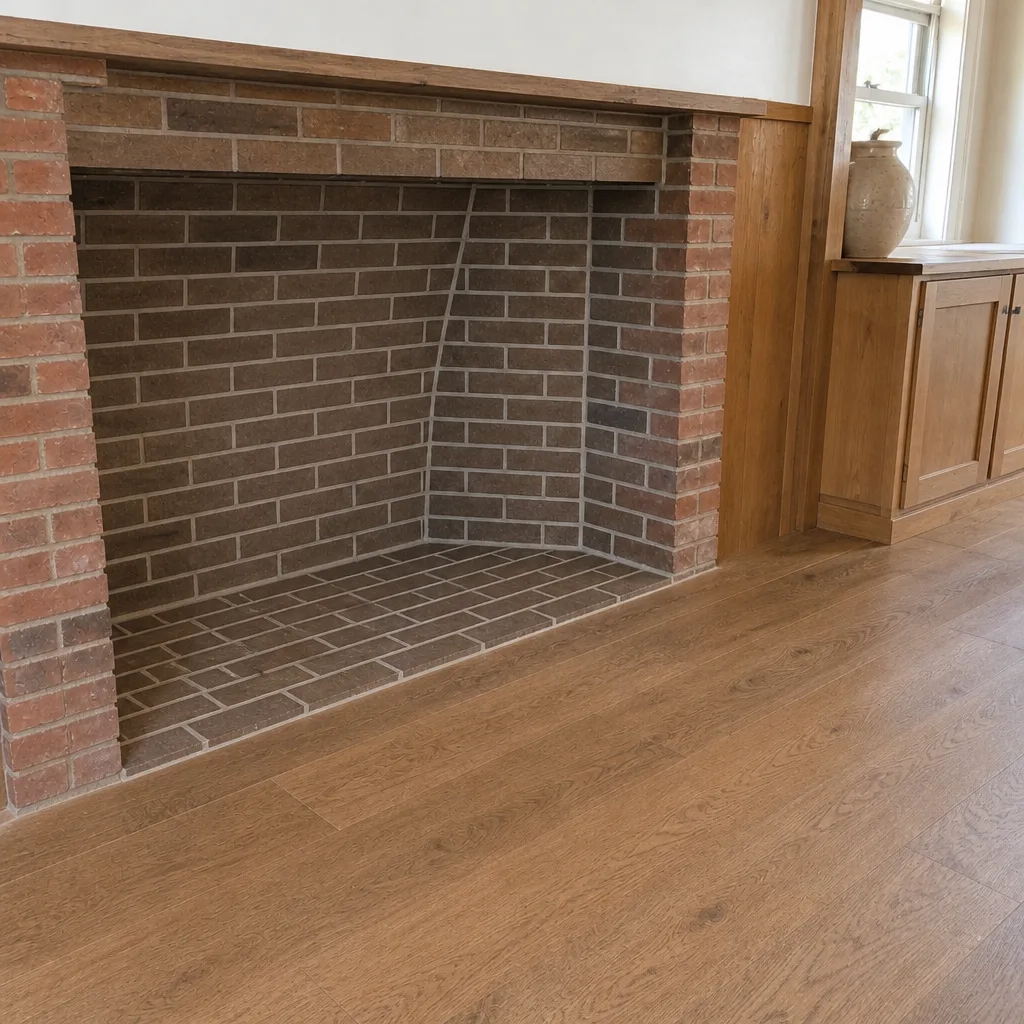
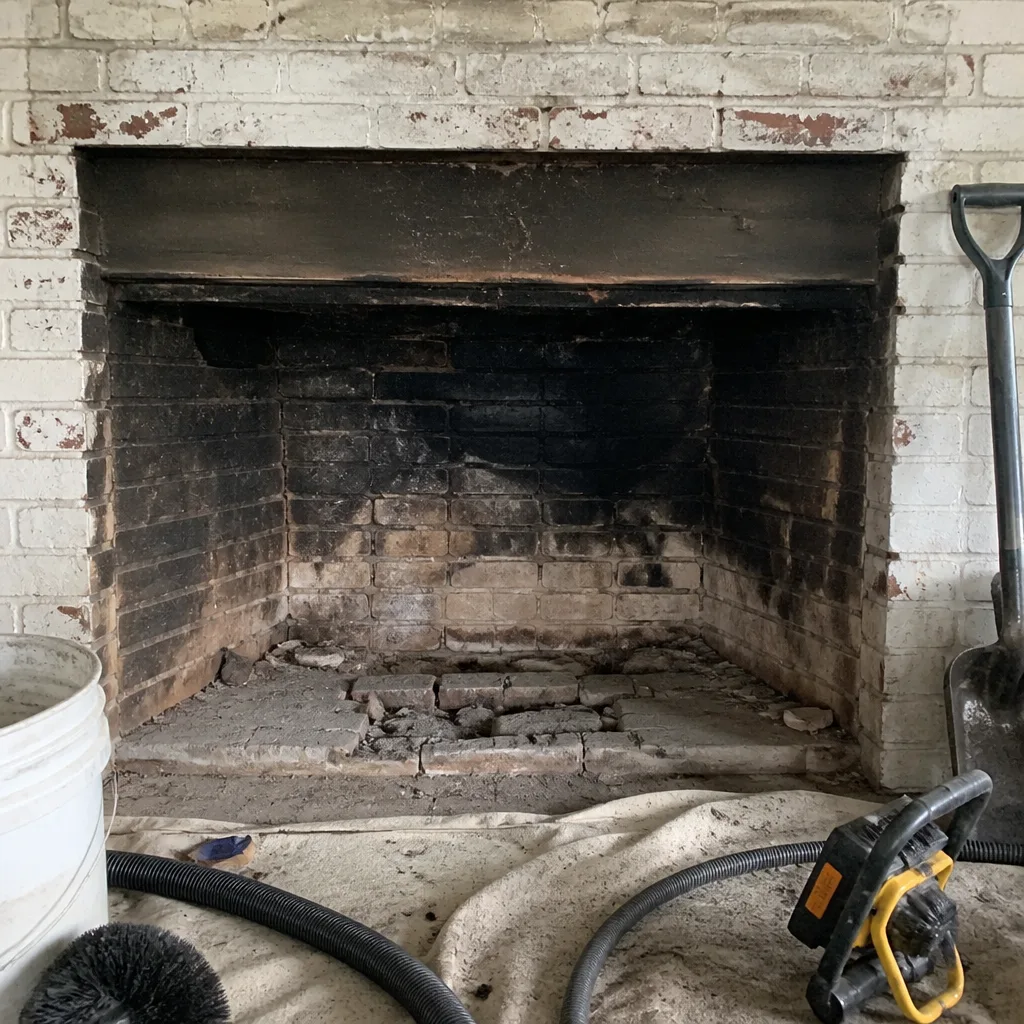
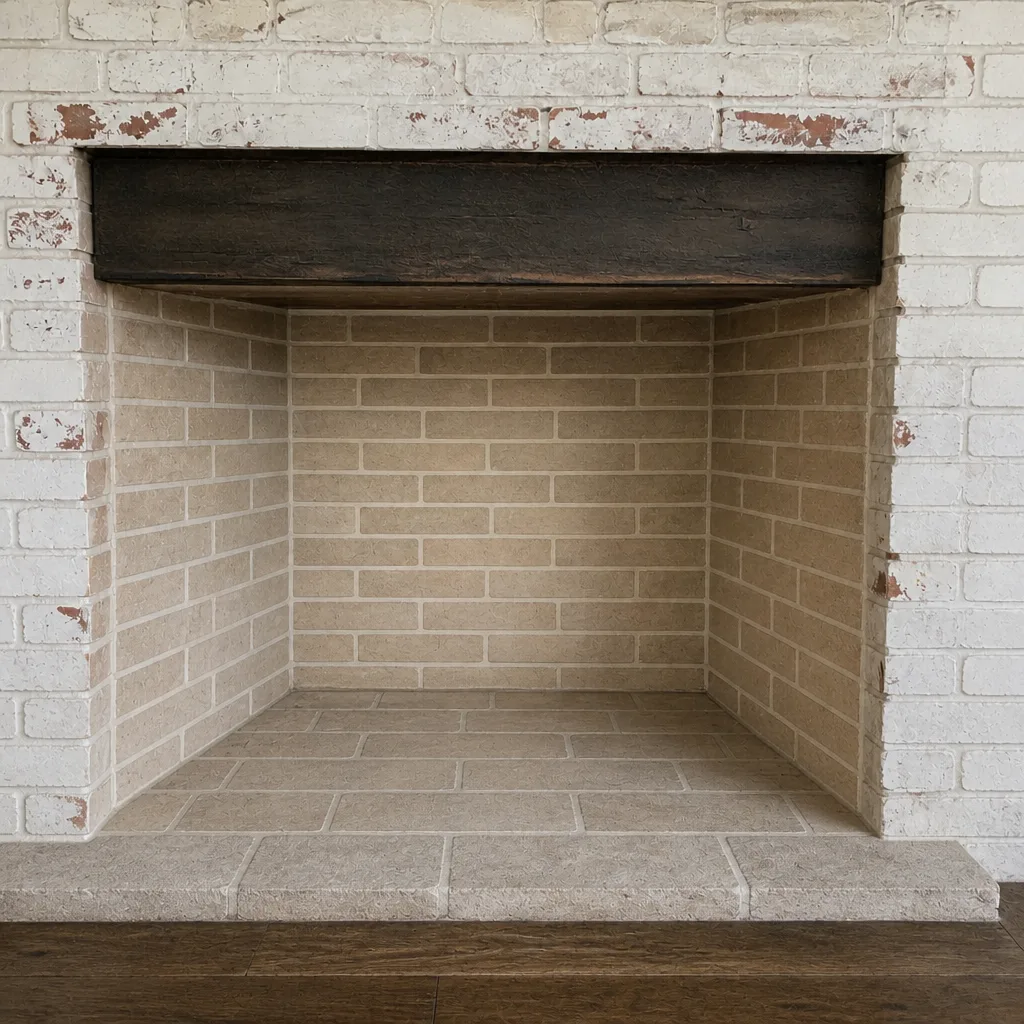
See the difference
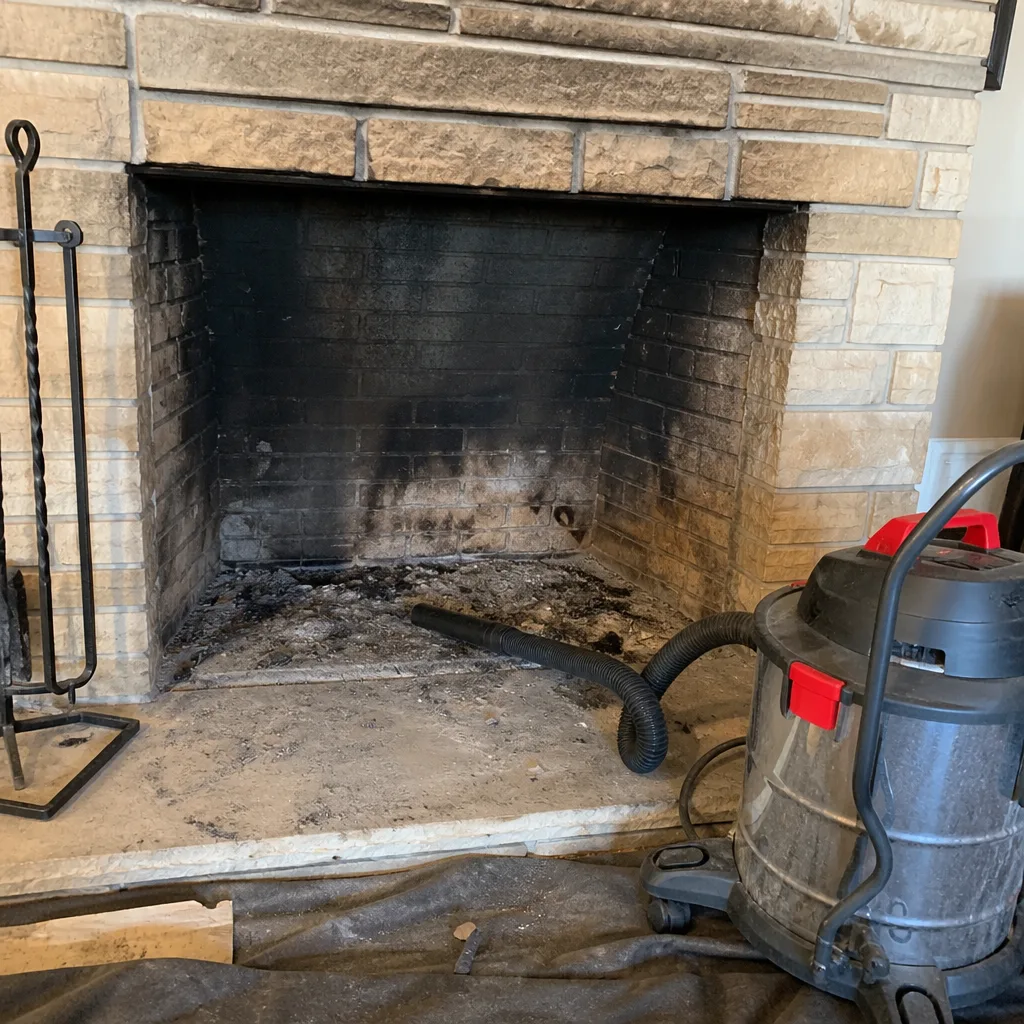 Before
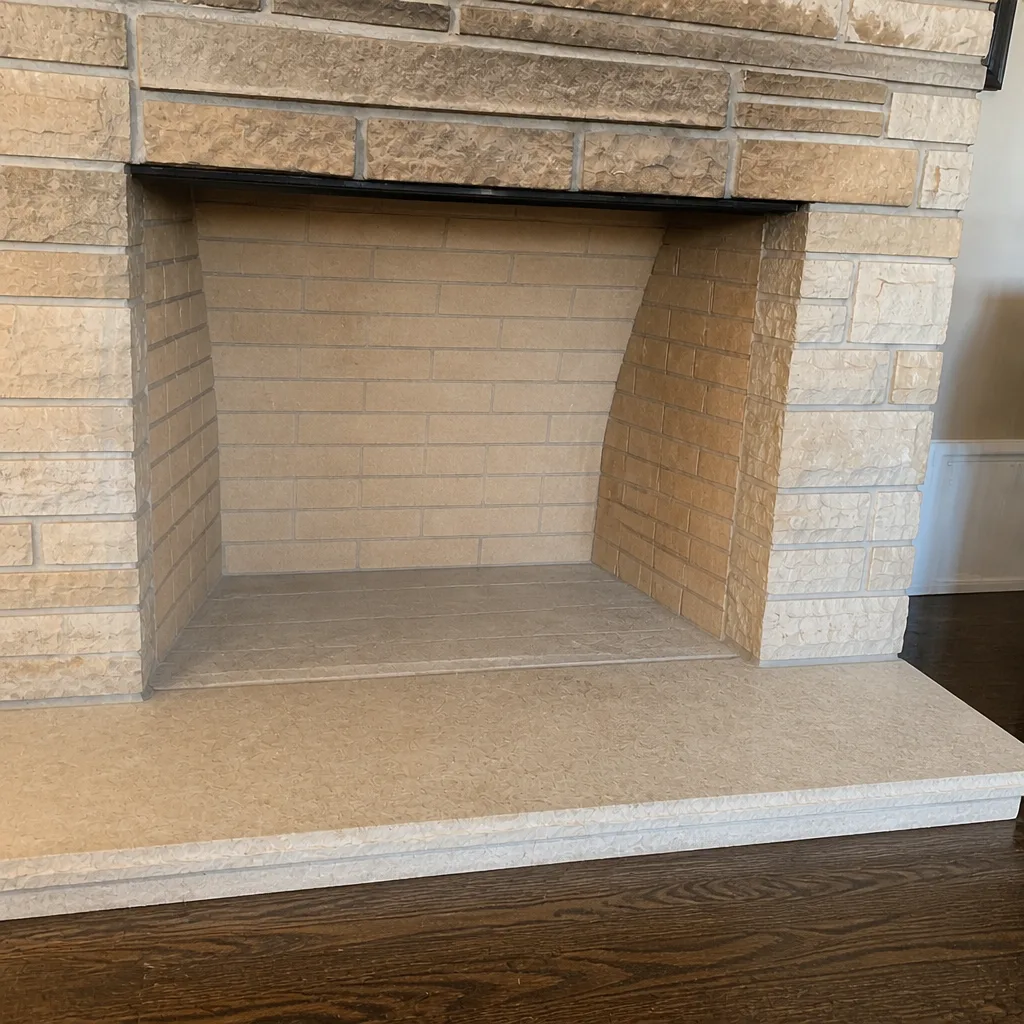 After
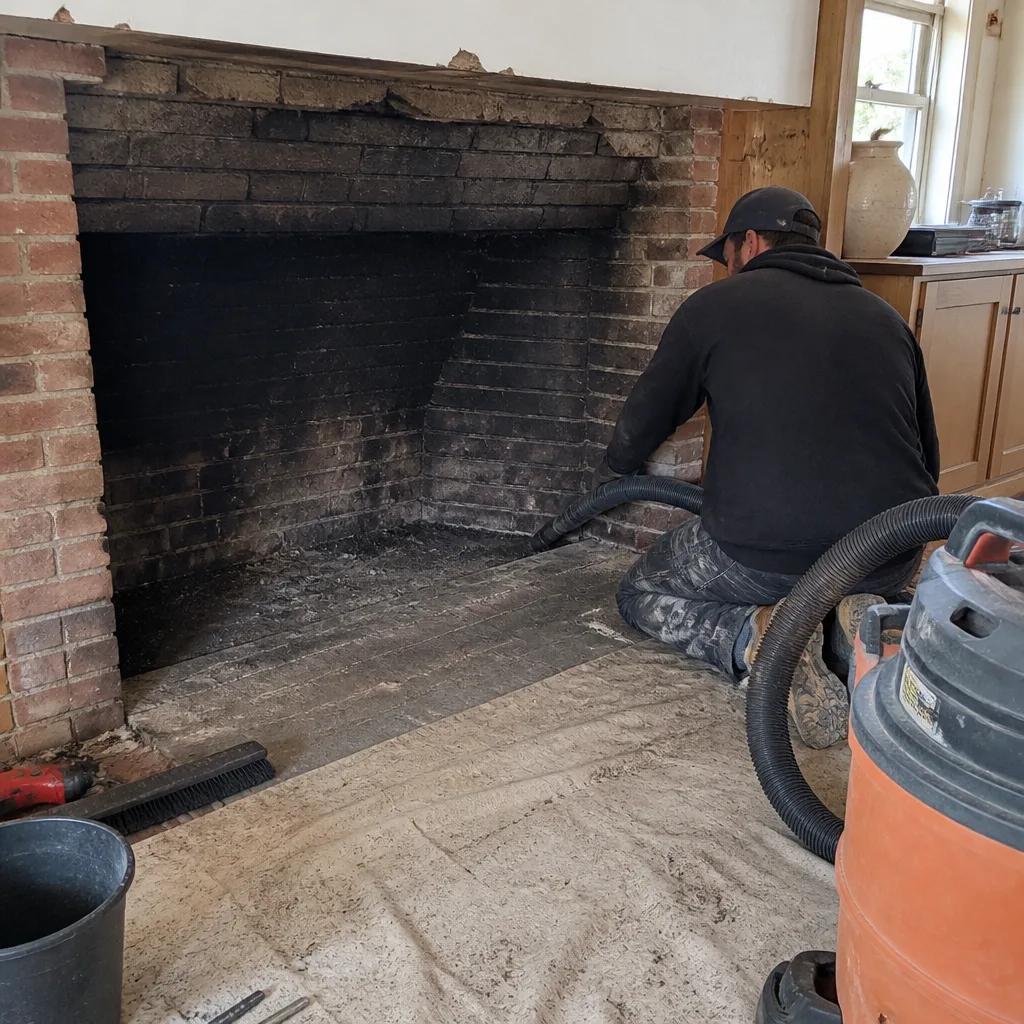 Before
 After
 Before
 After
Call Now vs. Can Wait: Sorting Your Checklist Findings
This is the sorting step, and it’s where a checklist earns its keep. Not every finding is urgent, and knowing which is which stops you from both panicking over nothing and sitting on a real problem. Our rule of thumb: anything that involves fire, combustion gas, a structural concern, or an active sign of water entry during wet weather is call-now. Everything else goes on the list for the annual visit.
Call now
- Smoke rolling into the room or visible flame spill from the fireplace opening when the fire is established.
- Persistent smoke or soot smell when no fire is lit.
- A chimney that’s visibly leaning, separated from the house, or shedding brick.
- A cap missing entirely or clearly broken open.
- A crown with an open crack exposing the top of the masonry.
- Fresh efflorescence appearing after a wet stretch (active water entry).
- Any sign of carbon monoxide alarm activation: leave the home, call the appropriate emergency service first, then call us to assess the flue.
Can wait for the annual visit
- Hairline crown cracks that aren’t opening.
- Faded old efflorescence with no current wetting.
- A damper that’s stiff to operate but still opens and closes.
- Small, stable mortar joint recesses in the firebox.
- Mild soot streaks above the opening (though these are worth photographing so we can see whether they’re growing).
When you call, describe what you saw and when. “Cap looks level, crown has a crack I can see light through, no smoke in the room” is a much more useful call than “something’s wrong with my chimney.” It’s also how you avoid the most common frustration, which is being quoted for expensive work you can’t verify. We don’t recommend anything without camera evidence you can see for yourself. If there’s nothing there, we’ll say so.
When a Standalone Inspection Matters
A chimney inspection isn’t only for homeowners with a problem. It’s a credentialed assessment of a chimney’s condition, and it stands on its own as a service. That matters most in the situations where someone else needs a documented answer, not a conversation. We offer inspections as a standalone service for real estate transactions and insurance documentation, meaning you can get the assessment without bundling in work you don’t need. As a dedicated chimney specialist, we perform inspections, sweeping, masonry and fireplace repair, cap and crown work, and relining with professional-grade product lines. One accountable company from first look to final repair. If your checklist reveals a structural concern, the inspection may be the next step, and it doesn’t commit you to a repair you haven’t agreed to.
Bellevue’s housing market moves quickly, and buyers and sellers often inherit chimneys with no recent history. An inspection report that photographs and documents what’s actually there lets a buyer and seller negotiate with facts instead of speculation. Property managers get the same benefit across multiple units. If you’re in that position, the checklist you run yourself supplements a proper documented assessment; it doesn’t replace it.
Common Mistakes to Avoid
- Treating “looks fine from the street” as the whole checklist. Soot lines inside the firebox and draft problems in the room never show up from the driveway. Check inside as well as outside every time.
- Sweeping on a strict annual date regardless of use. Burn frequency, fuel type, and chimney construction set your interval. A calendar-mandated sweep ignores all three.
- Ignoring the cap and crown because they’re “out of sight.” These are the first defense against water, and our climate puts them under real load all wet season. Track them from the ground with binoculars.
- Assuming a smoky fire is normal. It often means a draft problem or blockage that will get worse. Flag it and call rather than living with it.
- Putting off a small crown crack. Cracks widen under freeze-thaw cycles, and what might have been a routine cap and crown visit can grow into masonry work.
- Skipping the burn log. Without it, your sweep is guessing at your service interval. A few seconds a fire, and you’ve turned a guess into a plan.
- Climbing to check the chimney yourself. Roofline inspections involve real fall risk and structural unknowns. Leave the ladder where it belongs and let a trained technician do the roof-level work.
When to Call a Professional
Call a professional whenever your checklist turns up something that involves fire, combustion gas, structure, or water entry you can see right now. Those are the four categories where a DIY read can cost real money. Call us before your first real burning season, at the start of the wet season to assess water protection, or any time your burn behavior changes in a way you can’t explain. If you’re mid-transaction on a Bellevue home, book a standalone inspection rather than waiting for a problem to appear. We’re a full-spectrum chimney specialist, so a sweep, inspection, repair, cap and crown, or relining call all come to one accountable company instead of a hand-off. When you call, describe what you saw and any recent changes. We’ll ask the right questions and tell you which service fits what your log showed. Bellevue Chimney Sweep Co offers free estimates in Bellevue – call (833) 509-4335. We answer 24/7. Fast dispatch from 7am to 7pm, Sunday through Friday.
Frequently Asked Questions
A chimney should be swept based on how much you burn and what you burn, not on a fixed calendar date. A household with regular winter fires should expect an annual sweep and inspection; a fireplace used only occasionally may go longer, and heavy use may need more frequent service. Track your fuel type and burn frequency so your sweep can set your interval accurately. Call (833) 509-4335 for an exact recommendation – estimates are free.
A sweep is the cleaning; an inspection is the assessment. Sweeping removes soot and creosote, while inspection evaluates the flue, liner, firebox, smoke chamber, cap, crown, and masonry, with a camera report so you can see what the technician sees. We offer inspections as a standalone service, which matters for real estate and insurance documentation. Both are performed by our own team, start to finish.
You can safely check the firebox, damper, smoke chamber throat, cap, crown, and exterior brick from the ground, and you should. What you shouldn’t do is clean or evaluate the inside of the flue or climb onto the roof yourself. That’s where the structural unknowns, the creosote, and the fall risk live. Use the checklist to record and report; let a trained technician handle everything above and inside.
You need a new liner or relining only if the current liner is actually damaged, and you should never accept a recommendation without camera evidence you can watch. We don’t recommend liner work without a documented finding. When it is needed, we work with professional-grade product lines including DuraFlex and Olympia Chimney, and we offer HeatShield liner restoration as an alternative to full tear-out and relining in suitable cases.
Skipped maintenance lets two slow problems build: creosote accumulation inside the flue, which is flammable, and water intrusion through the cap, crown, and masonry, which damages the structure year over year. Neither is a scare tactic; both are what we see in the field, and both are far cheaper to address in their early stages. If your checklist turns up a concerning item, get it looked at now rather than waiting for a repair to grow.
Yes, in two ways. Our long wet season means water intrusion is the dominant threat to chimneys here, which is why cap and crown checks matter as much as flue checks. Our short burning season means you have a defined window to sweep and inspect before the cold arrives. Book before the first cold snap and use the dry months to complete any repairs the inspection recommends.
The Bottom Line
A chimney maintenance checklist only earns its place on your fridge if it’s tied to what you can observe. Look at the firebox and smoke chamber. Read the cap, crown, brick, and flashing from the ground. Note how your fire behaves. Log what you burn and how often. Then sort the findings into call-now versus wait-for-the-annual-visit, and bring all of it to your next appointment. Bellevue’s wet, long-winter climate rewards this discipline: you’ll catch water problems and draft flags early, you’ll book your sweep before the cold arrives, and you’ll show up with data instead of a vague feeling. If the checklist turns up something, or you just want the professional version, the Bellevue Chimney Sweep Co team handles sweeping, inspection, fireplace repair, masonry repair, cap and crown installation, and relining in one accountable visit.
Ready to schedule? Call (833) 509-4335 for a free estimate. We answer 24/7. Fast dispatch from 7am to 7pm, Sunday through Friday, and we’re closed Saturday. If you call outside dispatch hours, we’ll book you into the next opening, Sunday through Friday, 7am to 7pm.
Written by the team at Bellevue Chimney Sweep Co.