
Last updated November 23, 2026
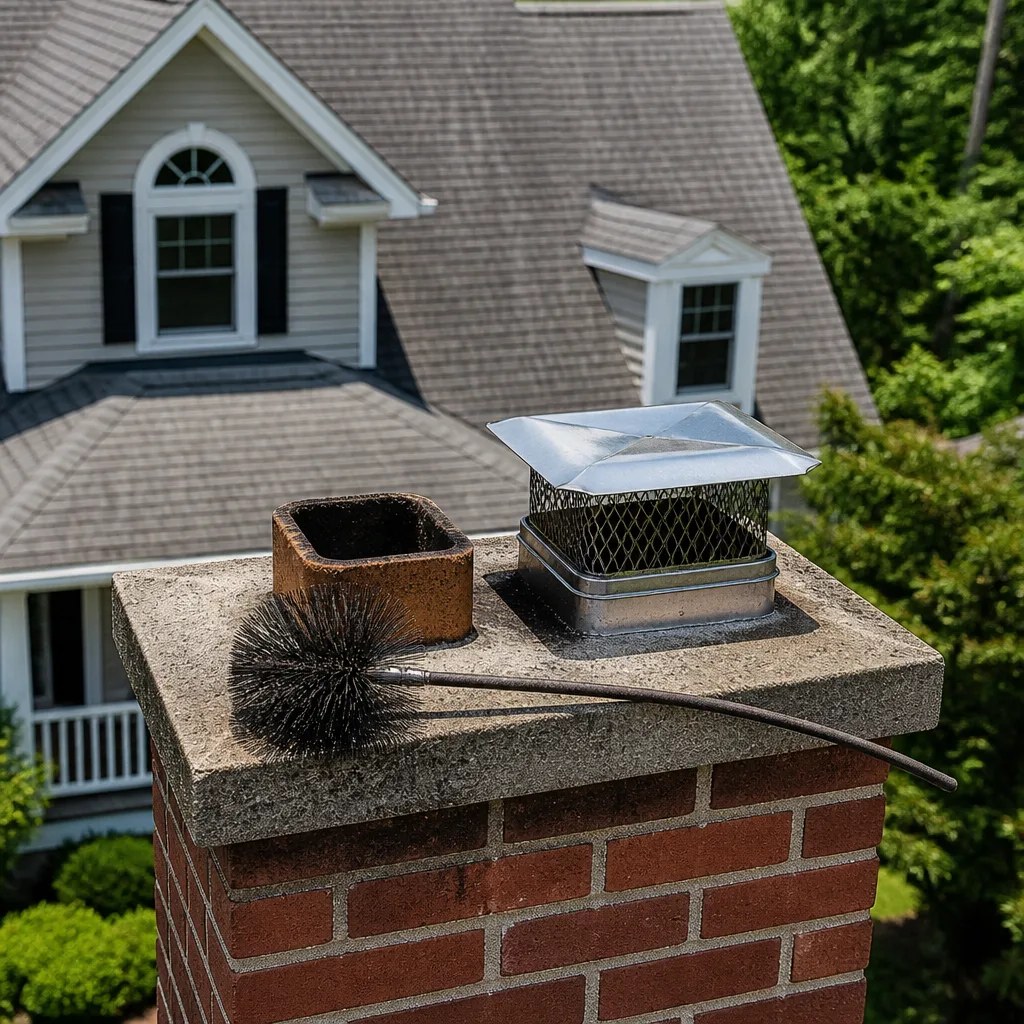 Sweep & inspection
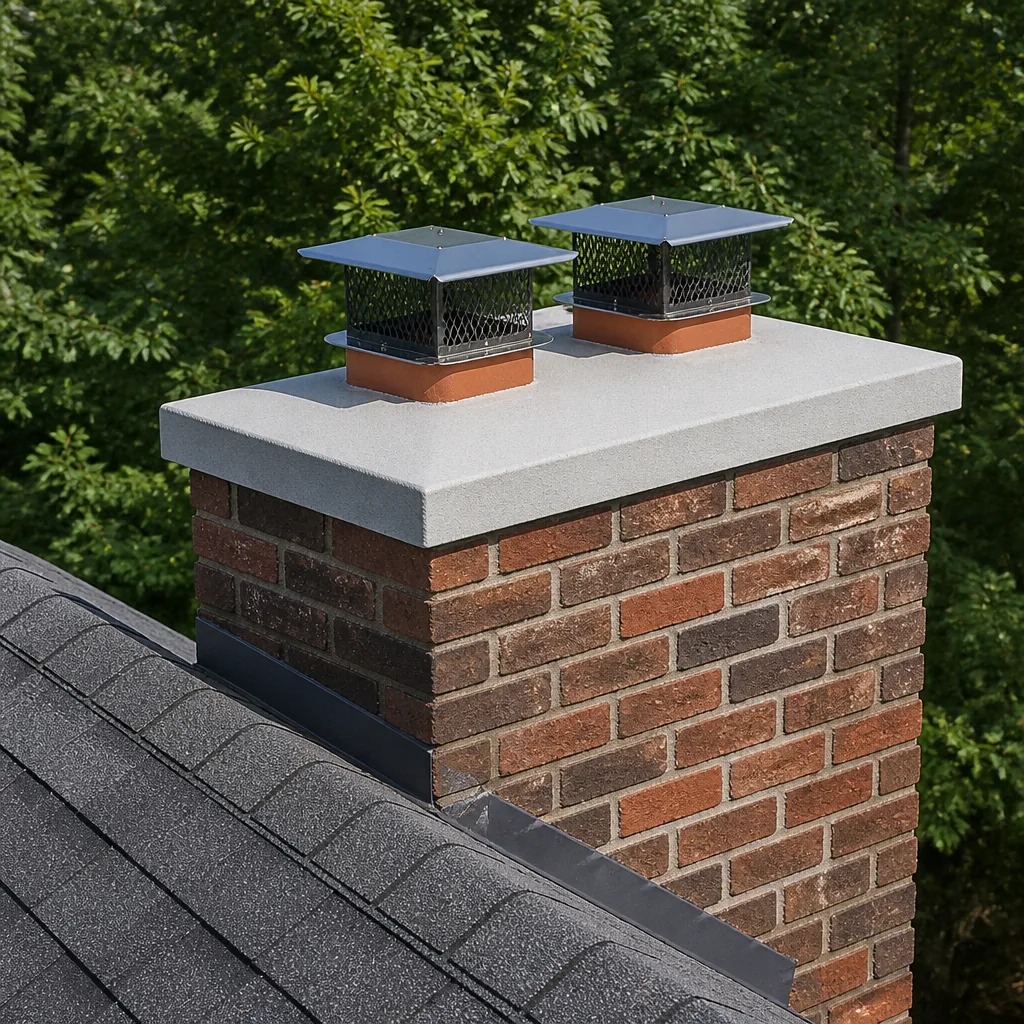 Caps & crowns
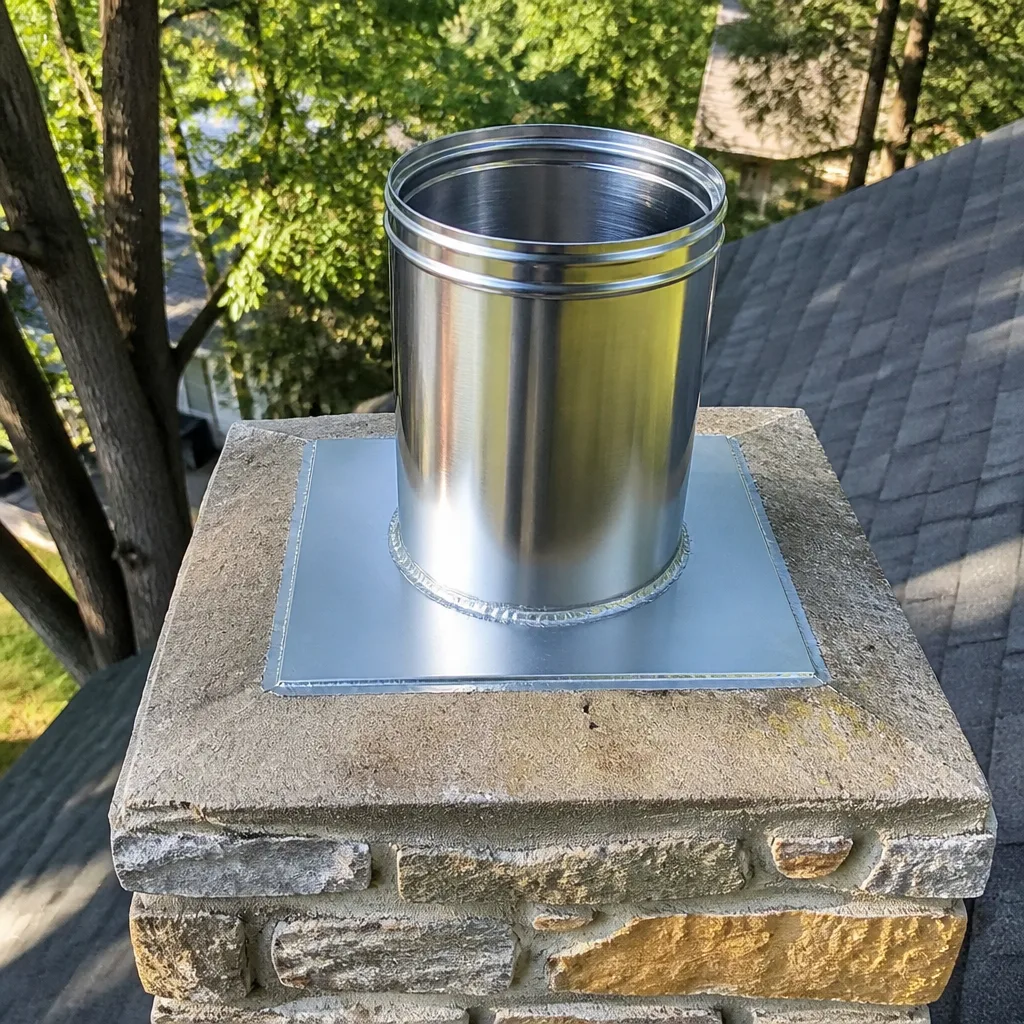 Flue relining
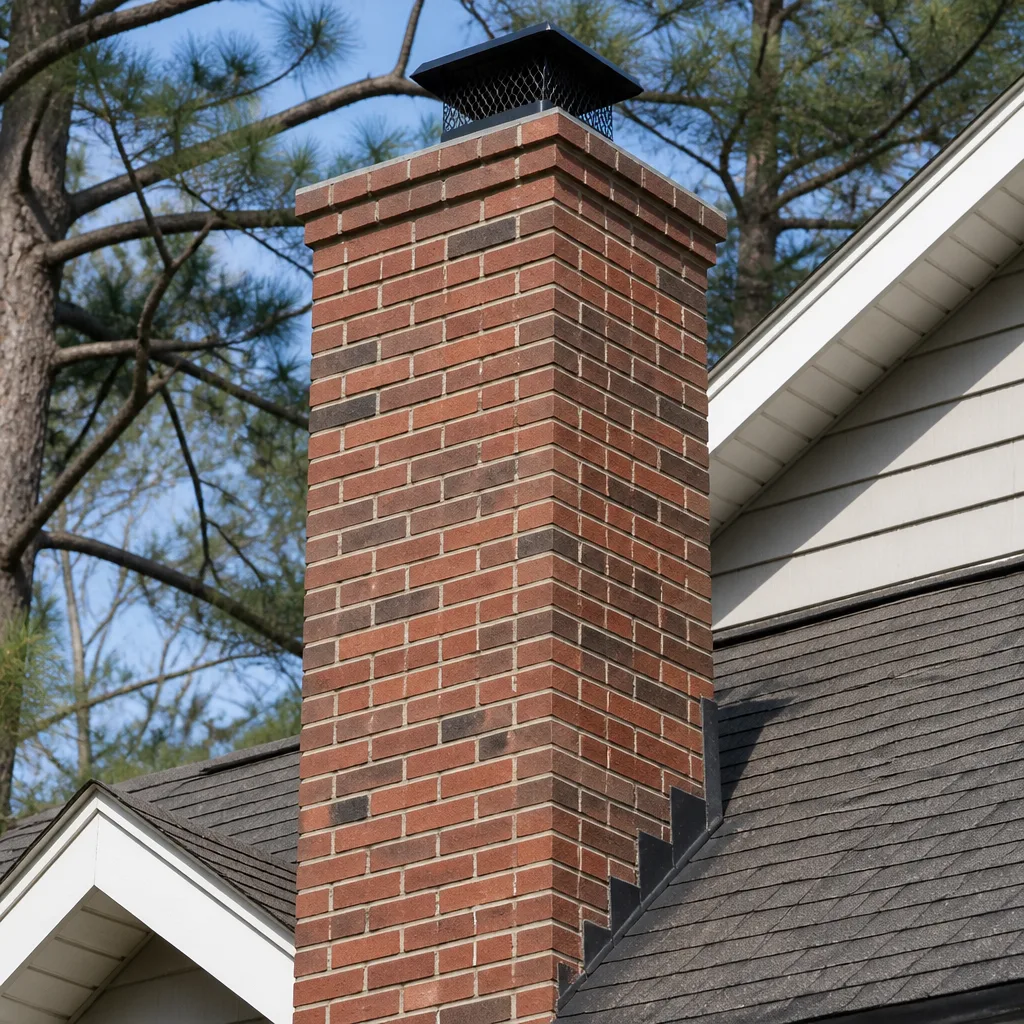 Masonry repair
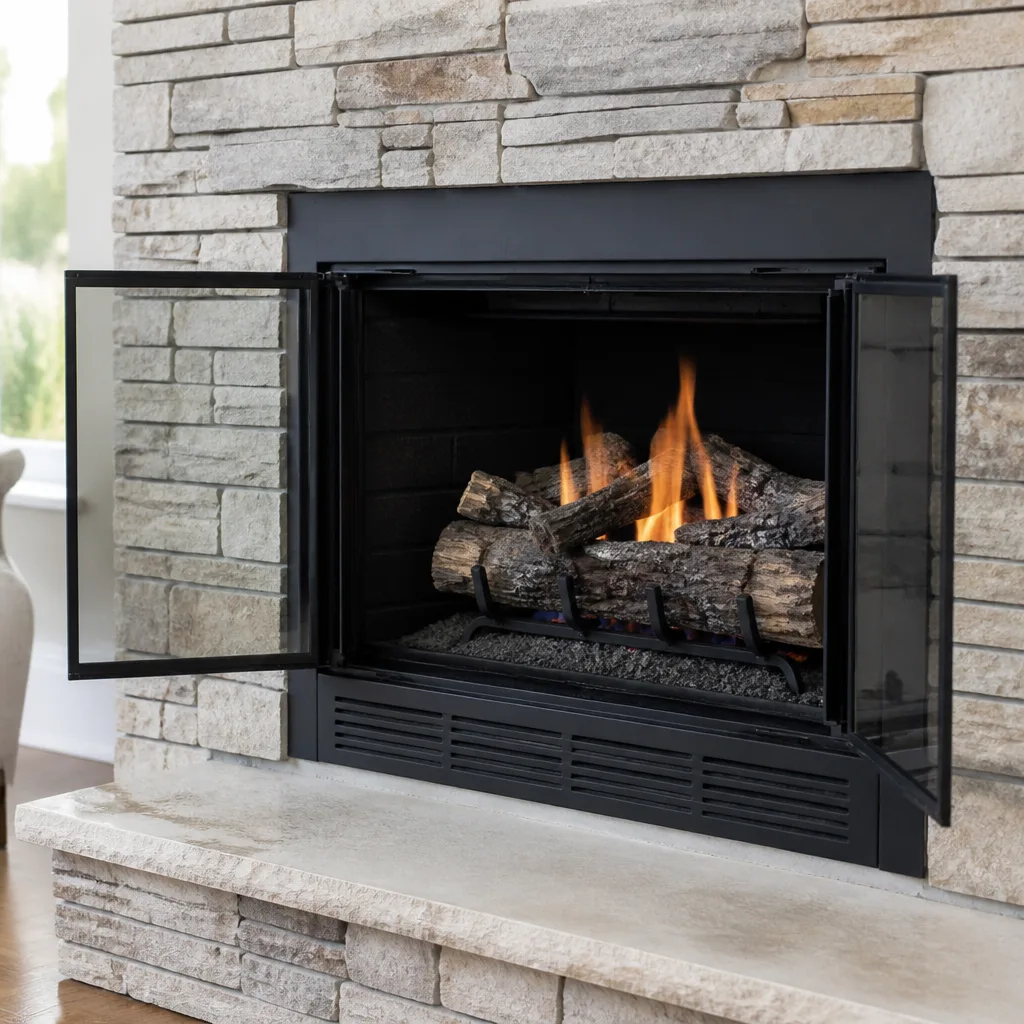 Gas fireplace service
Level 1 sweep and inspection to the NFPA 211 annual standard - flue, crown, cap, and flashing checked and photographed
Chimney sweep logs do not sweep chimneys. They loosen some creosote - which then falls where a brush and vacuum still have to collect it.
Chimney Cleaning Warning Signs: A Bellevue Homeowner’s Reference Guide
Most people assume a chimney problem announces itself. A crash, a puff of smoke, a stain spreading across the ceiling. In our experience, that’s rarely how it goes. The signs that matter most are quiet ones: a faint smoke smell in a room where the damper is shut, a chalky white bloom on the brick outside, a damper handle that suddenly takes two hands to move. Each of those is a specific symptom with a specific cause behind it, and the whole point of this guide is to connect the two so you know what you’re actually looking at. We’ll cover what each warning sign points to structurally, how Bellevue’s wet winters and dense neighborhood canopy affect chimneys here, and when a cleaning alone won’t solve the problem. By the end you’ll be able to read your own chimney with some confidence.
Quick Answer
The main chimney cleaning warning signs are: a strong smoke or creosote smell indoors, smoke spilling back into the room when you light a fire, a black or glazed buildup visible above the firebox, white staining on exterior brick, rust inside the firebox or damper, and a damper that sticks or won’t close. Any one of these means the chimney needs a professional sweep and inspection before you burn again. Two or more together usually point to a structural issue that a cleaning alone won’t fix.
Styles & brands we work with
- Sweep & inspection
- Caps & crowns
- Flue relining
- Masonry repair
- Gas fireplace service
Table of Contents
- What Your Chimney Is Telling You Through Smell
- Creosote Buildup: The Warning Sign You Can See
- White Staining on Exterior Brick
- Damper Resistance and Failure
- Visible Rust in the Firebox
- Unusual Burn Behavior and What It Maps To
- Why Bellevue Chimneys Age the Way They Do
- How Often to Sweep and What to Expect During a Visit
What Your Chimney Is Telling You Through Smell
A strong smoke smell in a room with a closed damper is not a draft quirk. It’s often the first detectable sign of a cracked flue tile, a failed seal at the flue collar, or a gap where the smoke chamber meets the damper frame. Smoke that has nowhere to vent during a fire will find those gaps and travel down into the living space, pushed by temperature differences between the heated flue and the cooler house. If you smell smoke hours after the fire is out, the flue is leaking.
Here’s where homeowners get confused: a creosote smell and a backdraft smell are two different things, and they point to two different problems.
- Creosote smell: sharp, tarry, almost like asphalt or burnt coffee. It’s strongest on warm days when the chimney isn’t drawing. This is unburned fuel residue coating the flue, and it means buildup has reached a level worth sweeping. Creosote is the fuel in a chimney fire.
- Backdraft or smoke smell: a plain wood-smoke odor that shows up in a room away from the fireplace, often drifting into a bedroom or hallway. This points at pressure problems, a blockage, or a flue that’s leaking at a joint. A cleaning won’t seal a cracked tile.
We’ve seen both smells in the same house, which usually means there’s buildup and a leak together. The order of operations matters: sweep first, then inspect with a camera, then decide what gets repaired. If we find a problem, we can often fix it in the same call. That’s the advantage of a specialist that sweeps, inspects, and repairs under one roof rather than handing you off to a second contractor.
The one nuance worth adding for Bellevue homes: our damp winters mean flues sit cold and damp for months between burns, and a cold flue creates a stronger pressure differential than a warm one. That’s why some smoke smell shows up on the first fire of the season even when nothing has changed structurally. If the smell clears after the second or third burn, likely buildup and cold-flue pressure. If it persists, it’s a leak.
Creosote Buildup: The Warning Sign You Can See
Creosote forms when smoke cools before it leaves the flue and the wood tar condenses on the walls. It builds in layers and passes through three stages, and the stage matters more than the depth.
- Stage one: a soot-like, fluffy, flaky deposit. Brushes right off during a routine chimney sweep.
- Stage two: a hard, crusty, or flaky black layer, sometimes with a brownish sheen. Still removable with the right tools but requires more attention.
- Stage three: glazed, puffy, or glassy creosote. This is the dangerous stage. It’s essentially baked-on fuel and it’s what feeds a chimney fire.
You can spot the early signs without a camera. Look above the damper with a flashlight. A light dusting is normal between sweeps. A thick, textured, crusted coating, streaks running up the firebox wall, or a slick glaze is your cue to stop burning until it’s addressed. We also see this frequently in Bellevue homes where people burn softwood, green wood, or damp cordwood because that’s what’s available at the time. Wet wood produces more creosote than dry wood, full stop.
If the reading above the firebox is stage two or stage three, sweeping addresses the interior but doesn’t tell you whether the flue tile underneath has been heat-stressed. That’s what a camera inspection is for, and it’s the reason we don’t consider a sweep complete without a look down the flue. If the tile turns out to be spalled, cracked, or missing a joint, we can talk through liner options. HeatShield restoration is worth knowing about here: it can restore a deteriorated flue without a full liner tear-out, which is an option most sweep-only companies don’t carry in stock or offer at all.
White Staining on Exterior Brick
White, chalky staining on exterior brick is called efflorescence, and it’s your chimney telling you water is moving through the masonry. Efflorescence itself is not damage. It’s the visible proof that water got in, dissolved mineral salts inside the brick, and then dried out on the surface, leaving the salt behind. The stain is a symptom, not the problem.
Where the water is coming from is the actual question. On a Bellevue chimney, the usual suspects in order of likelihood:
- Missing or failing cap: a chimney cap sits on top of the flue crown and keeps rain out of the flue. A missing cap, or a cap that’s cracked, rusted, or blown loose by wind, sends water down the inside of the chimney. That’s water hitting the flue tile from the inside, which often shows up as efflorescence on the outside a week or two later.
- Cracked or spalling crown: the concrete slab at the very top of the chimney sheds water away from the flue. When it cracks, water pools on it and seeps down into the masonry body.
- Failed flashing at the roof line: where the chimney meets the roof, the metal flashing and the sealant around it age out. Water runs down the chimney face and into the attic.
- Porous or spalled brick: older brick absorbs water. Once it’s saturated, freeze-thaw cycles break the face of the brick off.
Efflorescence becomes structural when the brick surface starts flaking or crumbling, when mortar joints recede, or when the stain keeps recurring after a dry spell. At that point water is sitting in the masonry long enough to freeze and expand through Bellevue’s winter, and the repair cost goes up. A cap and crown fix is the most cost-effective way to stop water intrusion at the source, and we can usually address it in the same visit as a sweep rather than scheduling a second trip. Read more about that on our chimney cap & crown page.
Damper Resistance and Failure
A damper handle that’s hard to move, sticks at the halfway point, or won’t close all the way is a warning sign of heat warping. Dampers are stamped or cast metal plates pivoting on a hinge. Repeated over-firing, meaning fires burned hotter or longer than the flue was designed for, will warp the plate, bow it out of its frame, or strip the linkage. Rust and corrosion from moisture sitting in a closed, cool chimney will do the same thing more slowly.
Here’s the sequence we run through in our heads when a homeowner says the damper won’t close:
- Warping from heat: the plate is bowed, so it never seats. It sits in a rough or open position and lets heated room air escape up the chimney, and lets cold air fall back down when the fire is out.
- Rust binding: the pivot or the linkage has seized. Often the plate itself is fine and the mechanism is the problem.
- Creosote fouling: heavy buildup above and around the damper frame has physically jammed the plate in place. This one clears with a sweep.
- Structural: the damper frame has separated from the smoke chamber, or the lintel above the firebox is sagging. This is the case that needs masonry repair, not just a damper replacement.
A damper that won’t close isn’t just a comfort issue. In a Bellevue house, an open damper in a closed chimney pulls conditioned air up and out all winter, and it lets moist outside air settle into a flue that never dries out. That moisture contributes to the efflorescence covered above and the rust covered next. If the handle doesn’t move with modest, steady pressure, don’t force it; a stuck damper shoved past its stop can crack the frame or break the linkage pin. Have it looked at. Fireplace and damper components are part of what we handle directly through fireplace repair.
Visible Rust in the Firebox
Rust inside a firebox means moisture has been sitting in a place moisture shouldn’t sit. Fireboxes are built to get hot and dry out, so a firebox that’s rusting is either getting water from above or getting water from air. Both are worth chasing down.
What’s rusting tells you something about the source:
- Rust on the damper plate, damper frame, or the steel lintel: usually condensation from a cool, damp flue or a missing cap letting rain in.
- Rust on the fire grate, andirons, or the burner assembly: often the bottom of the firebox getting wet from below or from the front opening during heavy weather, especially if the chimney doesn’t have a properly fitted top-sealing arrangement.
- Rust streaks running down the inside of the firebox walls: the water is coming from above. Traced most often to a bad crown, a missing cap, or a failed flashing.
Here’s the key point: rust you can see from the hearth is the visible edge of a bigger problem. By the time the metal is rusting inside the firebox, water has typically been moving through the flue or the masonry above it for long enough to have also affected the smoke chamber, the damper frame, or the flue tile. The fix almost never stops at “remove the rust.” It’s cap and crown work to close the top of the chimney, then a flue inspection to see what the moisture did while it was there.
We stock and install components from trade-grade lines like Gelco and Olympia Chimney, which matters when a damper or top-sealing assembly needs replacement. Hardware-store substitutes for chimney components tend to fail at the same water-intrusion points, which is exactly what you’re trying to stop.
Unusual Burn Behavior and What It Maps To
Watch the fire for two minutes after it’s lit and you’ll learn a lot. Flame direction, smoke behavior, and the way the fire takes hold are all diagnostics. Here’s how to read them:
- Flames pulling toward the front of the firebox: the chimney isn’t drafting enough to pull the flames up. Often a partial blockage (creosote, a bird nest, a collapsed tile), or a flue that’s too cold to establish upward flow.
- Flames pulling hard toward the back and roaring: a strong, oversized flue drawing too much air. Not dangerous on its own, but it burns fuel faster and can over-fire the firebox.
- Smoke rolling into the room when you open the glass doors or add a log: a pressure problem. Could be a too-tight house, a cold flue, or a flue that’s under-sized for the firebox opening.
- Smoke that spills on lighting but clears up after 10-15 minutes: usually cold-flue backdraft, the classic first-burn-of-the-season condition in Bellevue. Warm the flue before lighting with a rolled newspaper torch, and if the spill repeats every time, it’s more than cold-flue.
- Fire that lights easily but dies or smolders: insufficient draft, often a partially blocked flue or a flue cap that’s too tight for the flue size.
- Flames that flare and then darken or smoke heavily: the fire is starving for air, and that fuel-rich burn is also laying creosote down fast.
In our experience, the burn behavior is often how homeowners notice a flue problem before they ever see the creosote. We use that pattern on the inspection call. If the flames tell us the flue is under-drafting, we’ll look for blockage first, then check the flue collar and the smoke chamber for a leak. If the flue has sustained damage from an over-fire event (that’s what a roaring, oversized drafting flue can produce over time), the inspection will show it and we can talk through liner materials. DuraFlex is one of the trade lines we use for relining when a full liner is the right answer.
Why Bellevue Chimneys Age the Way They Do
Bellevue chimneys face a specific set of pressures that a lot of the national chimney advice doesn’t account for. Understanding them helps you read your own warning signs correctly.
The wet side of the Cascades. Our rainy season is long and our summers are dry. That cycle puts masonry through repeated wet-dry and freeze-thaw cycles, and masonry doesn’t tolerate it well. Brick that’s porous will saturate during the wet months and crack at the face when the next freeze hits. That’s why efflorescence and spalling show up on Bellevue chimneys so often, and why a properly fitted cap and a sound crown are doing more waterproofing work than most homeowners realize.
The tree canopy. Bellevue’s mature evergreens and deciduous canopy is beautiful and it’s also a draft problem. Trees close to the chimney disrupt wind patterns across the flue opening, which can cause downdrafts and smoke spillage. Fir and pine debris also lands on the crown and around the cap. Needles and small cones accumulate, hold moisture against the masonry, and eventually get pulled down into the flue cap screen, where they block airflow.
A dense, tight housing stock. Bellevue’s newer construction is well-sealed. That’s good for energy efficiency and it changes chimney pressure dynamics. Modern tight houses with kitchen and bath exhaust fans running can pull air down the flue when the fireplace isn’t in use, which is one reason smoke smell shows up in rooms that are far from the fireplace. The fix isn’t a bigger flue; it’s often a top-sealing damper or a properly sized cap assembly.
Cool, damp shoulder seasons. Chimneys that are only used from November through February spend eight months cool and moist. That’s the environment where rust starts and where mortar starts to soften. An annual inspection catches both earlier than a visual check from the ground.
None of this is unique to one Bellevue neighborhood over another. The same conditions apply whether a chimney is in a home near the lake or up on the plateau. What changes is how fast the warning signs show up, which is why we recommend looking at the chimney twice a year: once in early fall before the burning season, and once in spring when the moisture damage from the wet months is easiest to spot.
How Often to Sweep and What to Expect During a Visit
The trade standard is an annual chimney sweep and inspection, and that’s the floor, not the ceiling. If you burn regularly through the season, or you burn anything other than dry, seasoned hardwood, you may need a sweep more often. The quick check above the firebox will tell you whether buildup has reached the level worth a call.
Here’s what a visit from a specialist actually involves, in order:
- Walk-through and interview: we ask how often you burn, what you burn, and what you’ve noticed. The burn behavior you’ve observed is real diagnostic information.
- Firebox and damper check: looking for rust, warping, cracks, and any gap between the damper frame and the smoke chamber.
- Sweep: drop cloths down, HEPA vacuum running, flue brushed from the top with the right size and stiffness for the flue tile. No dust in the house.
- Camera inspection: a look down the flue tile from top to bottom and through the smoke chamber. This is where the actual diagnosis happens, and the photo report is yours to keep.
- Exterior check: crown, cap, flashing, brick face, and mortar joints.
- Photo report and written estimate: what we found, what it means, what needs repair now, and what can wait. Nothing gets recommended that you can’t see in the photos.
An inspection is also a standalone service. If you’re buying or selling a Bellevue property, or your insurance carrier wants a documented chimney assessment, you can book an inspection on its own without bundling it with a sweep or repair. The report goes straight to your agent or your real estate professional.
If problems turn up, they get handled by the same team. Sweeping, inspection, masonry repair, crown and cap work, and relining are all done here rather than subcontracted out, so you have one accountable specialist from first sweep to final structural repair. When it’s time to book, call (833) 509-4335. We answer 24/7; fast dispatch from 7am to 7pm, Sunday through Friday.
Common Mistakes to Avoid
- Burning wet or unseasoned wood to save money. Wet wood lays down more creosote per cord than dry wood. In Bellevue’s damp climate, cordwood stored uncovered rarely dries below the moisture level you want before winter arrives. Cover your stack and buy a moisture meter.
- Treating a log as a chimney-sweeping device. “Cleaning logs” and similar products address light soot at best. They don’t remove creosote from the flue tile, they don’t inspect anything, and they don’t reveal structural damage. They can also loosen buildup that lands in places you can’t see.
- Assuming a sweep-only visit is the same as an inspection. A sweep removes buildup. An inspection tells you what condition the flue is in. If your chimney service doesn’t include a camera inspection with a photo report, you don’t actually know what shape the flue is in.
- Ignoring a small crack in the crown or a rusted cap. Water intrusion is the top cause of chimney deterioration, and the top of the chimney is where it starts. Small cap and crown repairs this season become masonry repairs next season.
- Skipping the sweep after a mild winter. A Bellevue winter with fewer burns still puts one to two inches of creosote in a flue over the season. If you burned at all, the flue has buildup, and buildup is what fuels a chimney fire.
- Forcing a damper that won’t move. Pushing a seized handle can bend the linkage or crack the frame. If it’s stuck, have it looked at.
- Lighting a fire in a chimney that hasn’t been inspected in the last year. Smoke where smoke shouldn’t be, a strange smell, or an odd burn behavior means stop and get it checked before the next fire. That’s the honest rule.
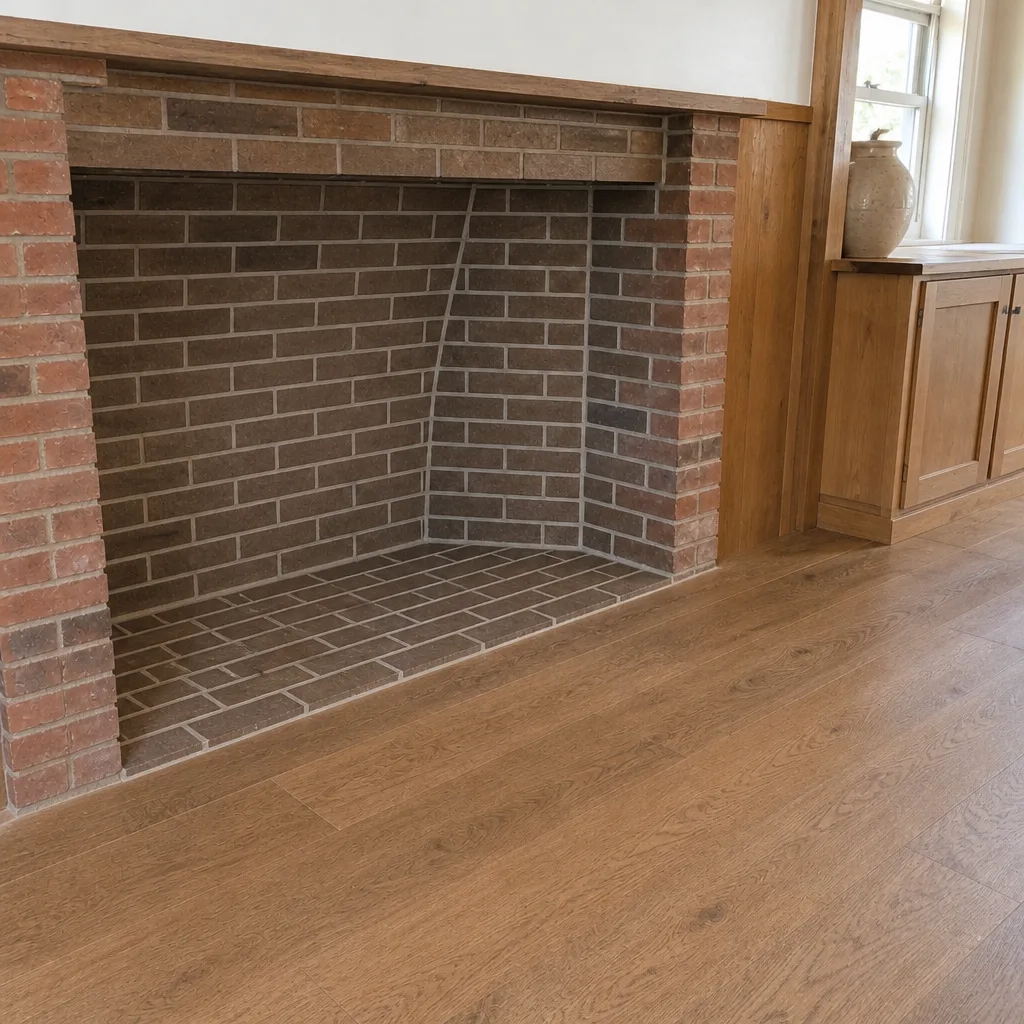
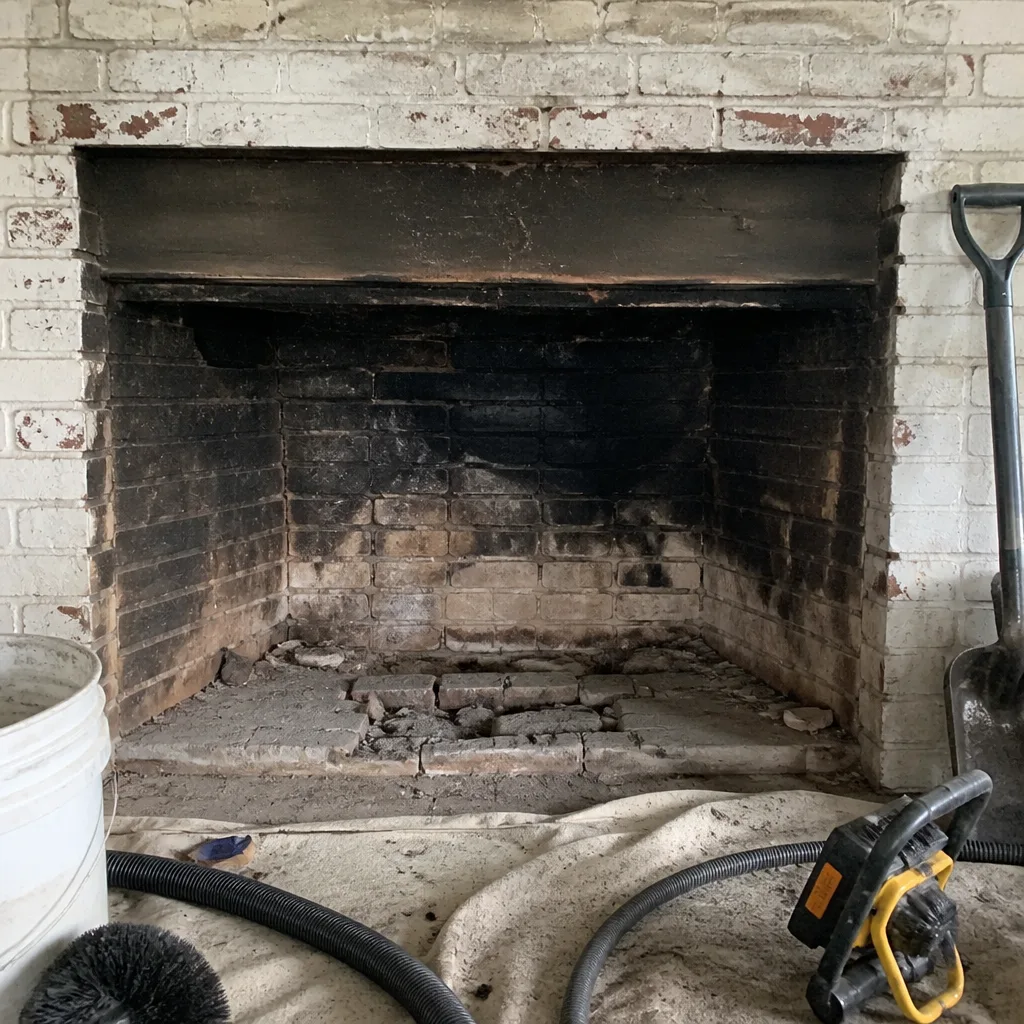
See the difference
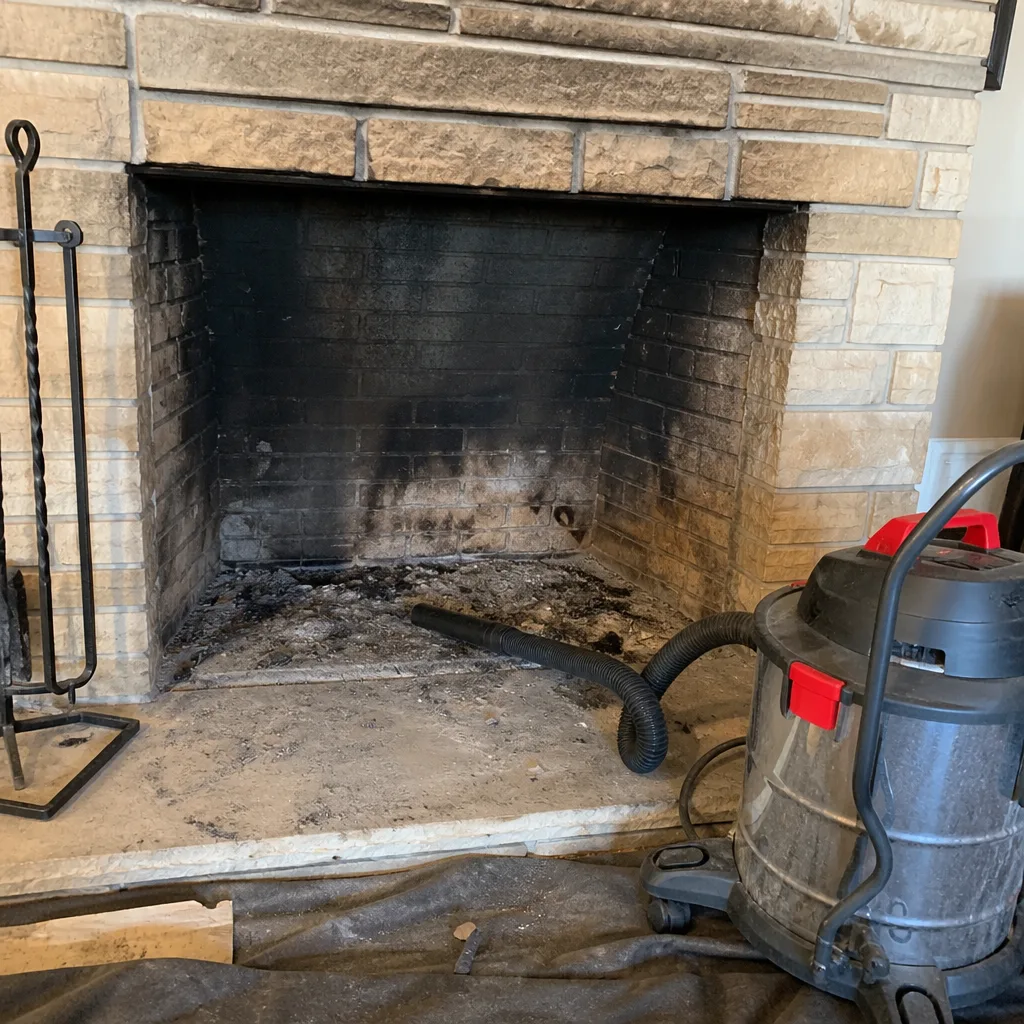 Before
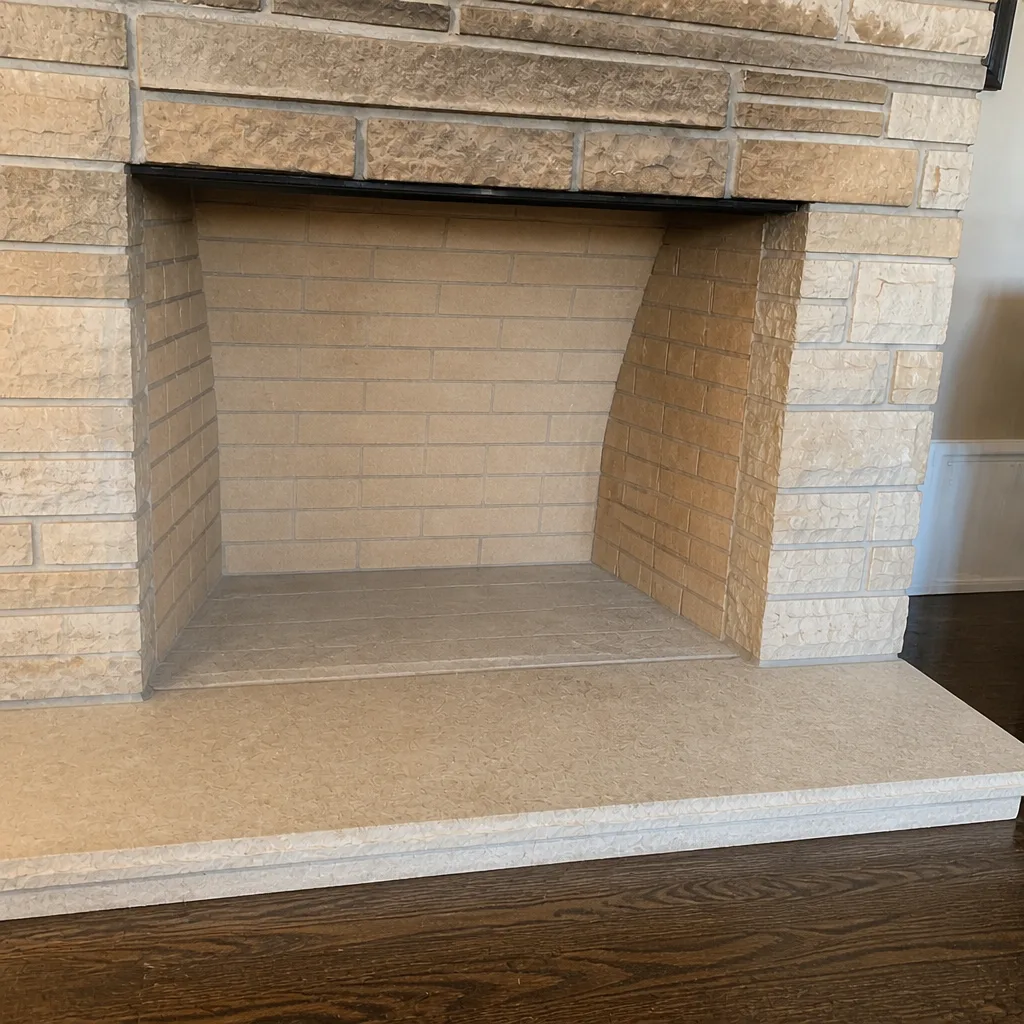 After
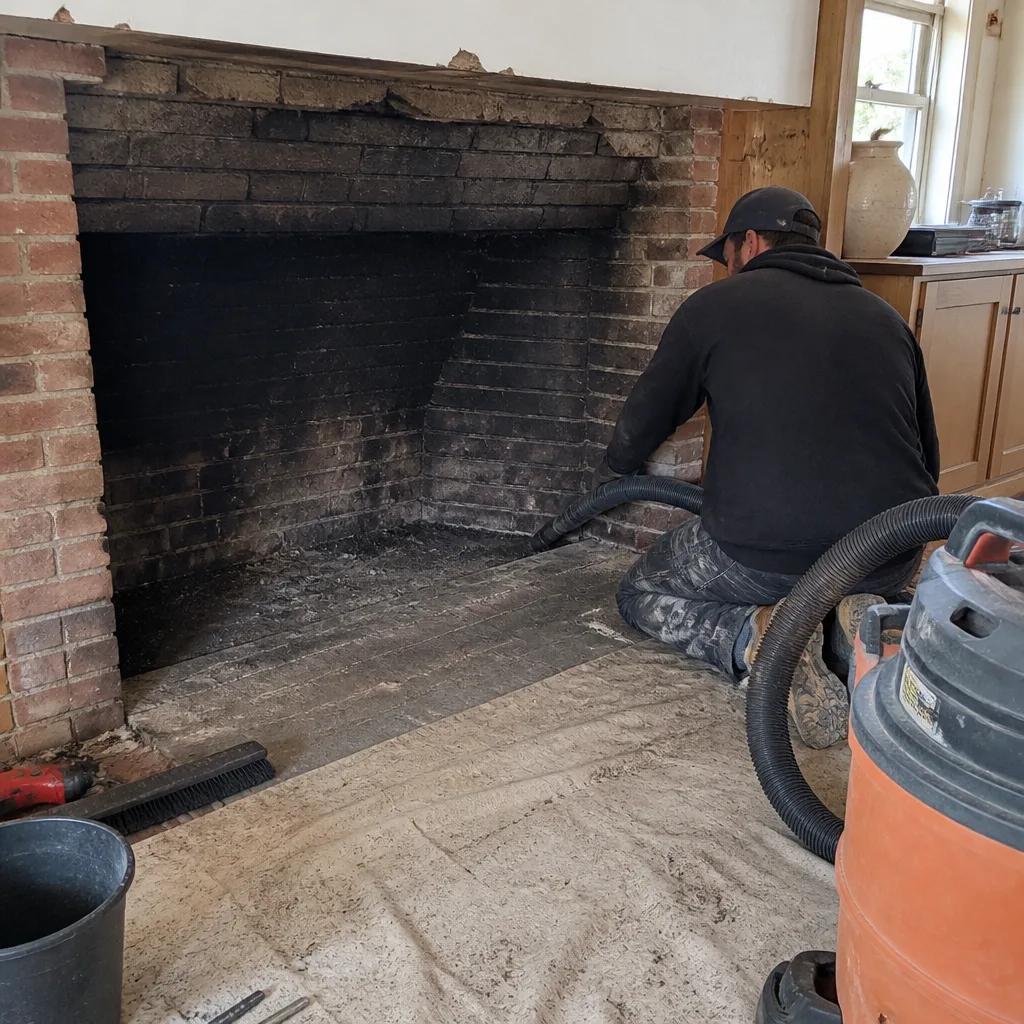 Before
 After
 Before
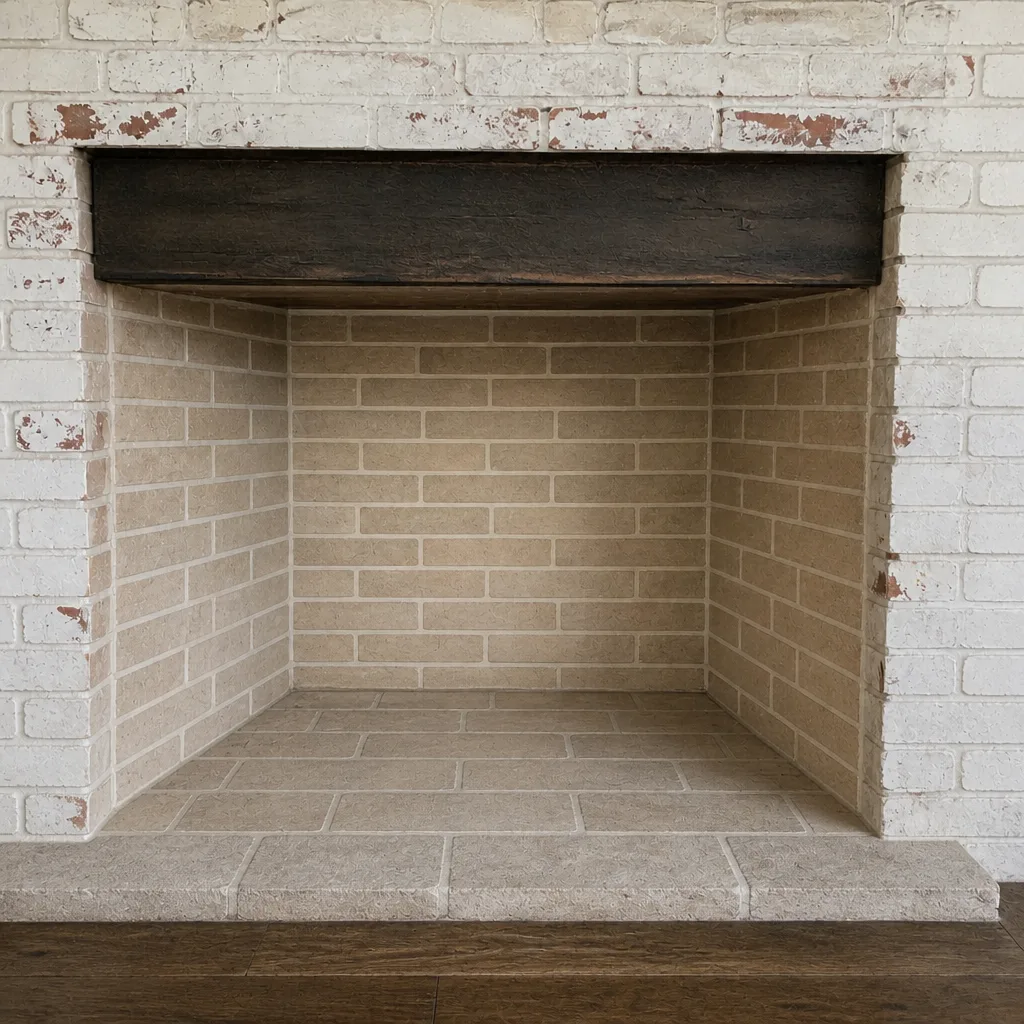 After
When to Call a Professional
Call a professional if you can smell smoke in the house with the damper closed. Call if you see a glazed or crusty buildup above the firebox. Call if the damper sticks or won’t fully close. Call if you see rust anywhere in the firebox or on the damper plate. Call if the burn behavior changes, if flames pull the wrong way, if smoke spills into the room, or if a fire that used to draw well suddenly doesn’t. Call if the exterior brick shows white staining that keeps coming back after a dry spell, or if you see crumbling brick face or receding mortar at the joints. Call if your chimney cap is missing, bent, or rusted through, or the crown is cracked. Call if you’re buying or selling a Bellevue home and need a documented inspection. And call if you simply can’t remember the last time the chimney was swept, because that itself is the warning sign.
Bellevue Chimney Sweep Co offers free estimates in Bellevue; call (833) 509-4335. We answer 24/7, with fast dispatch from 7am to 7pm, Sunday through Friday.
Frequently Asked Questions
The most common are a strong smoke or creosote smell inside the house, smoke rolling back into the room when you light a fire, visible creosote buildup above the firebox, a damper that sticks or won’t close, rust in the firebox, and white efflorescence staining on exterior brick. Any one of these means the chimney needs a sweep and inspection before your next fire, and two or more together usually mean a repair is also needed. Call (833) 509-4335 for an exact quote; estimates are free.
Once a year is the trade standard, and most Bellevue homeowners land on annual service if they burn regularly through the wet season. If you burn often, burn softwood or unseasoned wood, or your firebox shows heavy buildup between seasons, you’ll want a sweep twice a year. The honest check is to look above the firebox with a flashlight: light soot is fine, thick or crusted deposit is not. Call (833) 509-4335 to book a sweep and inspection.
Pricing is per job and set by a written estimate after we’ve looked at the chimney in person, so there’s no single figure that fits every Bellevue home. What matters is what’s included: a proper sweep with drop cloths and a HEPA vacuum, a camera inspection down the flue, an exterior check of the crown, cap, and flashing, and a photo report you keep. That’s the scope you’re comparing when you get quotes. Call (833) 509-4335 for a free estimate on your chimney.
Not always. A flue with mild cracking or surface deterioration can often be restored with HeatShield liner restoration, which builds the flue back up from the inside without tearing out the old liner. A full reline with a product like DuraFlex is the right call when the existing tile is spalled, displaced, or missing at joints. The decision should rest on what a camera inspection actually shows, and on nothing else. Call (833) 509-4335 and we’ll show you the photo evidence before recommending anything.
White staining on exterior brick is efflorescence, and it means water has moved through the masonry and left mineral salts behind as it dried. It’s not damage itself, but the water intrusion it points to is, and the source is usually a missing cap, a cracked crown, or failed flashing at the roofline. If the brick face is flaking or mortar joints are receding, the moisture has started to become a structural issue. Call (833) 509-4335 for an inspection; cap and crown repairs are often done in the same visit as a sweep.
The creosote keeps building, and creosote is the fuel in a chimney fire. A blocked or cracked flue also lets carbon monoxide and smoke travel back into the house instead of out. The quiet risks are real: a hairline crack in a flue tile opens into the framing cavity, and a fire in a compromised flue doesn’t stay inside the flue tile. Skipping a sweep doesn’t cause a problem on a fixed schedule, but the margin for error shrinks every season you burn. Call (833) 509-4335 to schedule a sweep before your next fire.
The Bottom Line
Every warning sign in this guide points to a specific cause and a specific consequence. Smoke smell with a closed damper: likely a cracked tile or failed seal, and a cleaning won’t fix it. Glazed creosote above the firebox: the fuel load of a chimney fire. White efflorescence outside: water getting in, usually through a failing cap or crown. A stuck damper: heat warping or rust. Rust in the firebox: moisture has been in the flue long enough to affect more than the rust itself. Odd burn behavior: a draft or flue condition worth diagnosing. None of these require alarm, all of them require a look. The right next step is a sweep with a camera inspection and a photo report you can see for yourself. If nothing is wrong, we’ll tell you. If something needs repair, we handle it in-house.
Call (833) 509-4335 for a free estimate. We answer 24/7, with fast dispatch from 7am to 7pm, Sunday through Friday. Bellevue Chimney Sweep Co is the Bellevue Chimney Sweep Co team that sweeps, inspects, and repairs start to finish, using professional-grade materials from HeatShield, Gelco, Olympia Chimney, and Famco, with no subcontracting handoffs.
Written by the team at Bellevue Chimney Sweep Co.