
Last updated November 23, 2026
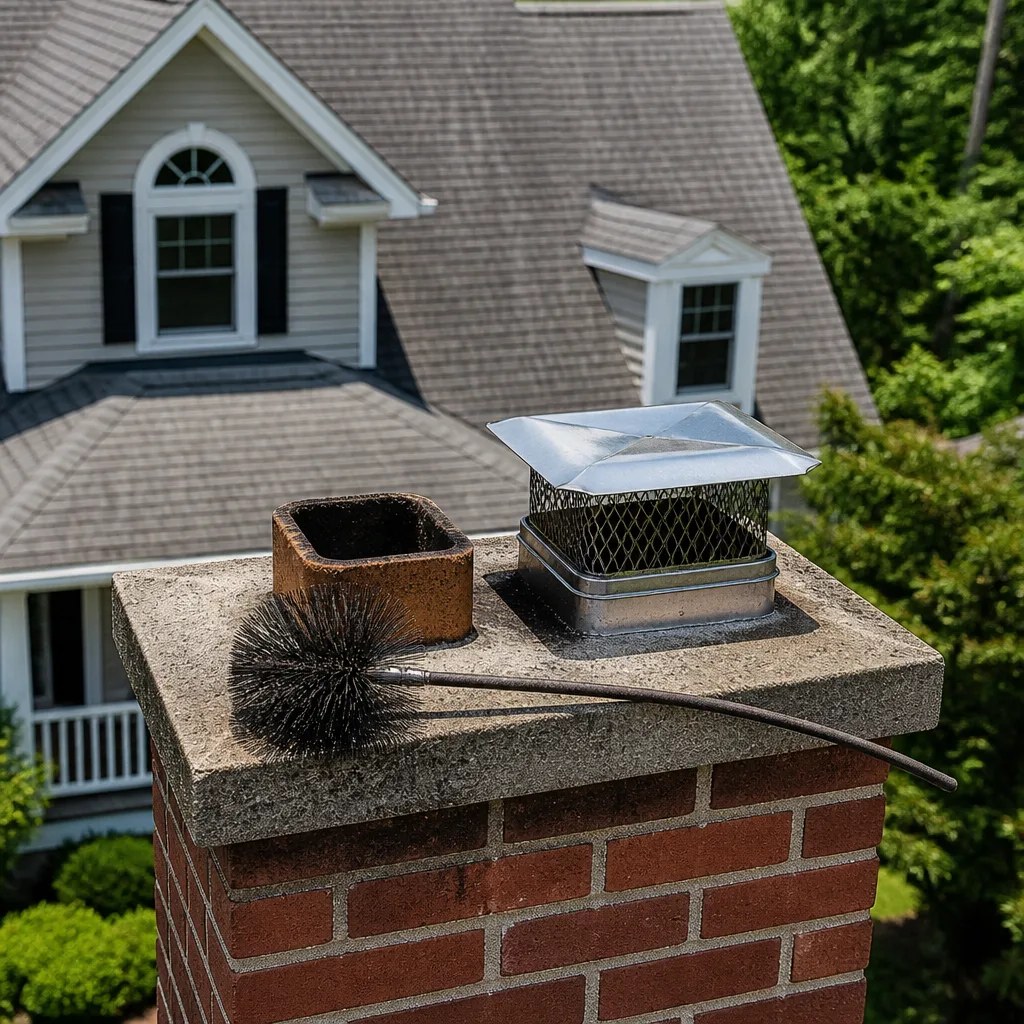 Sweep & inspection
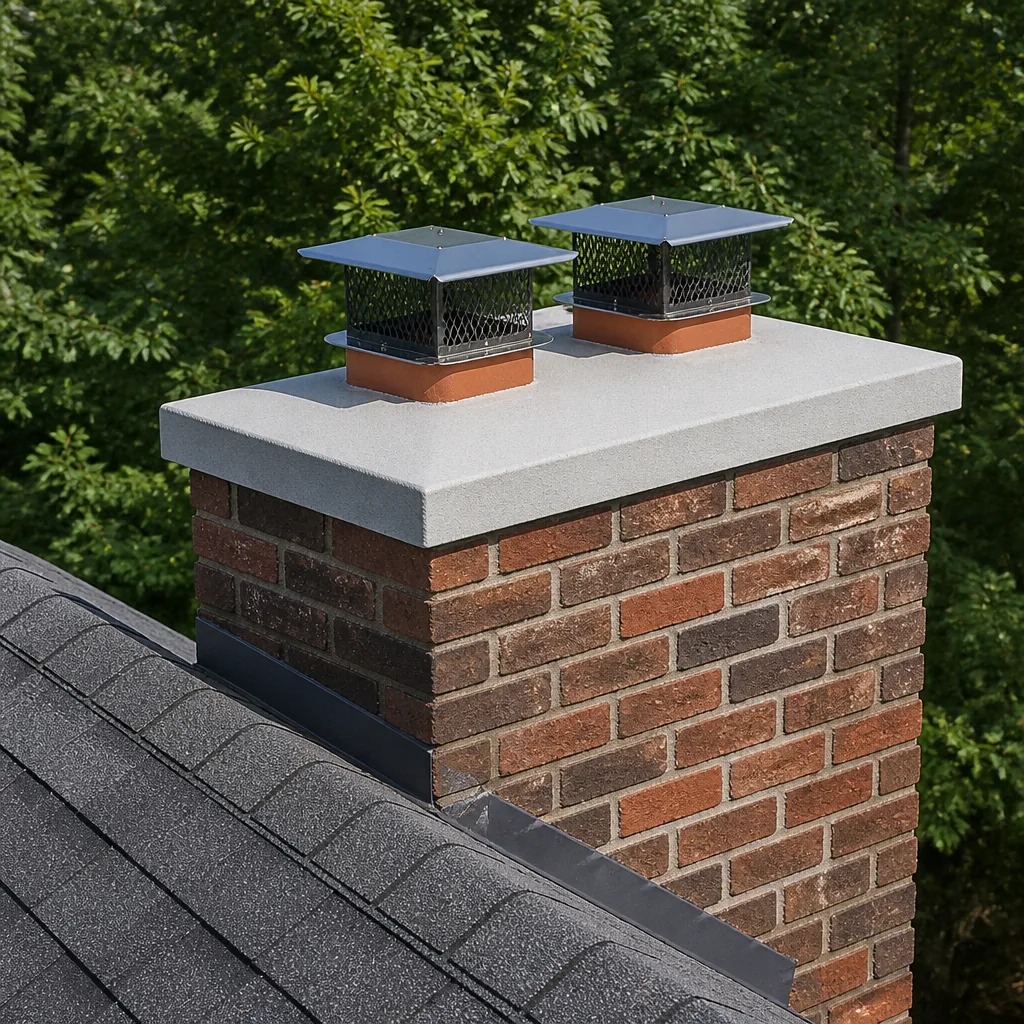 Caps & crowns
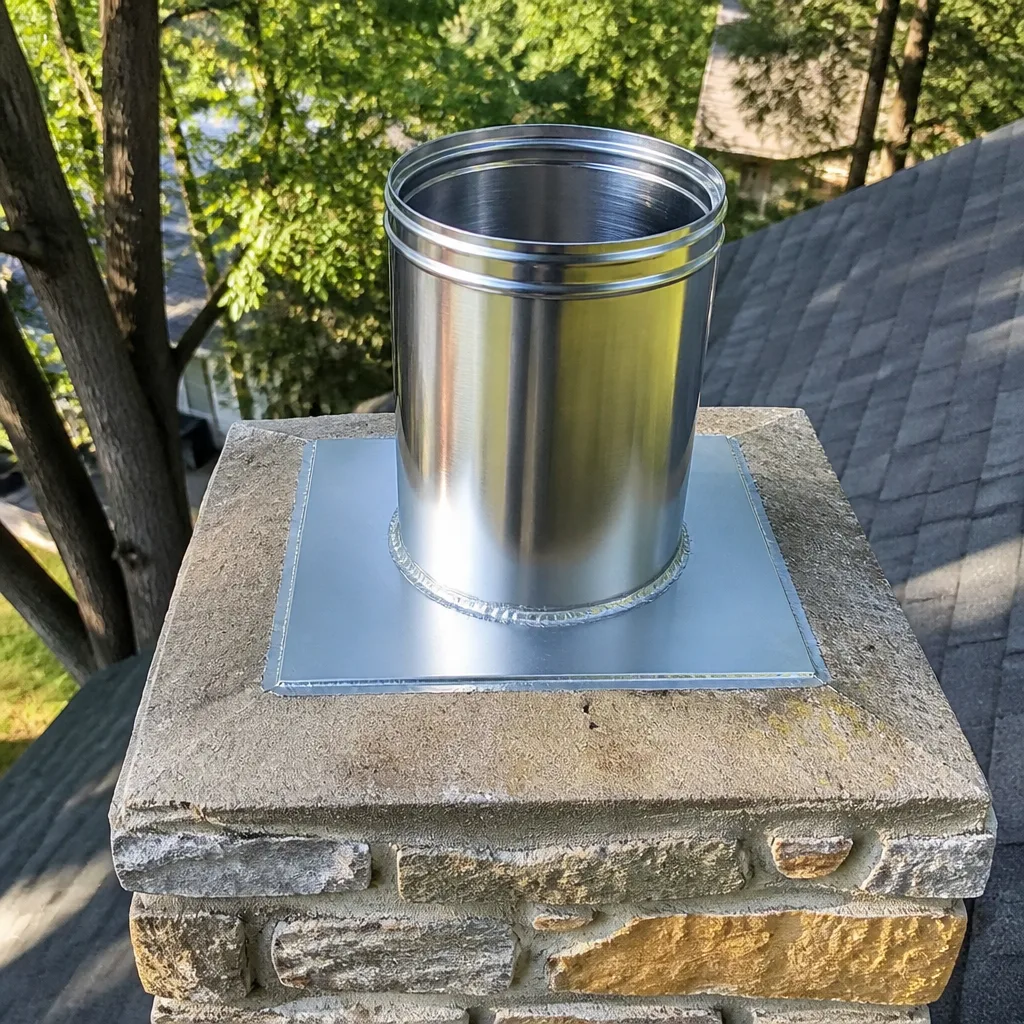 Flue relining
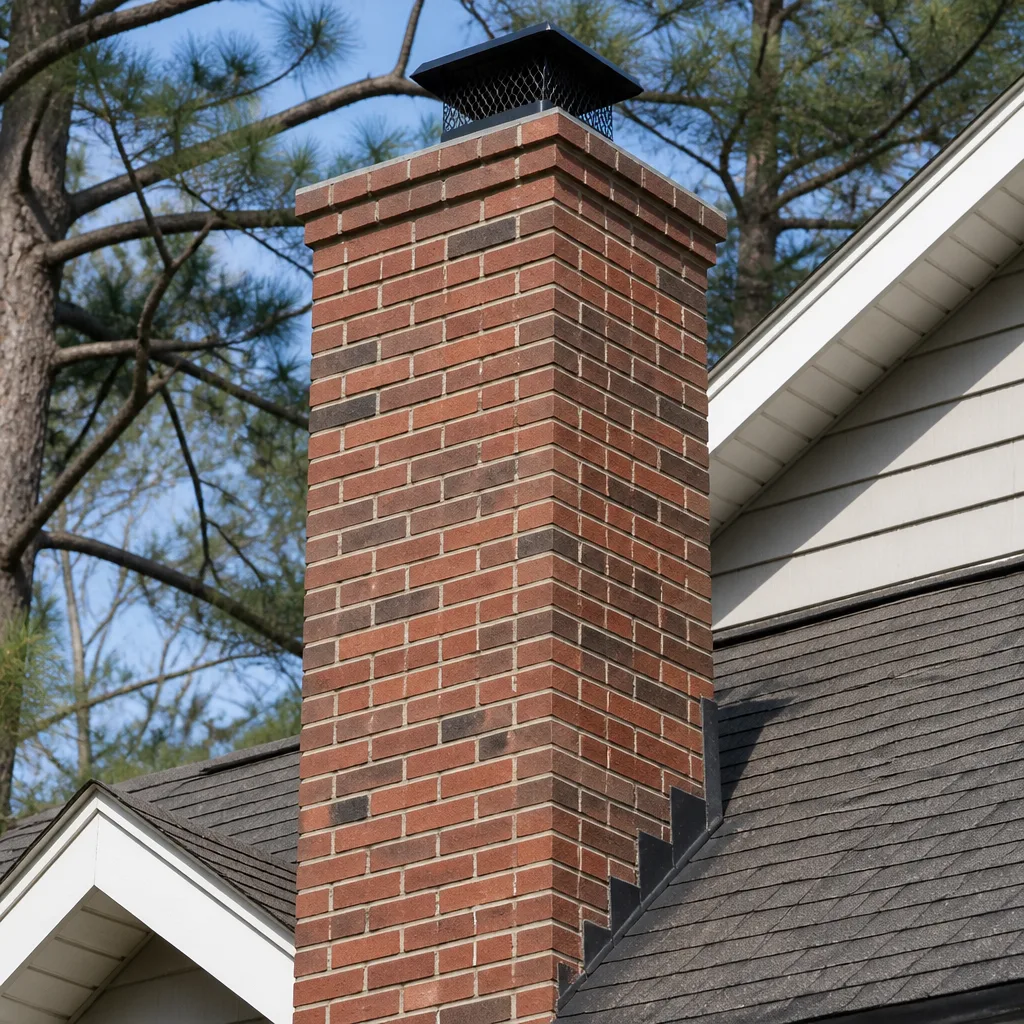 Masonry repair
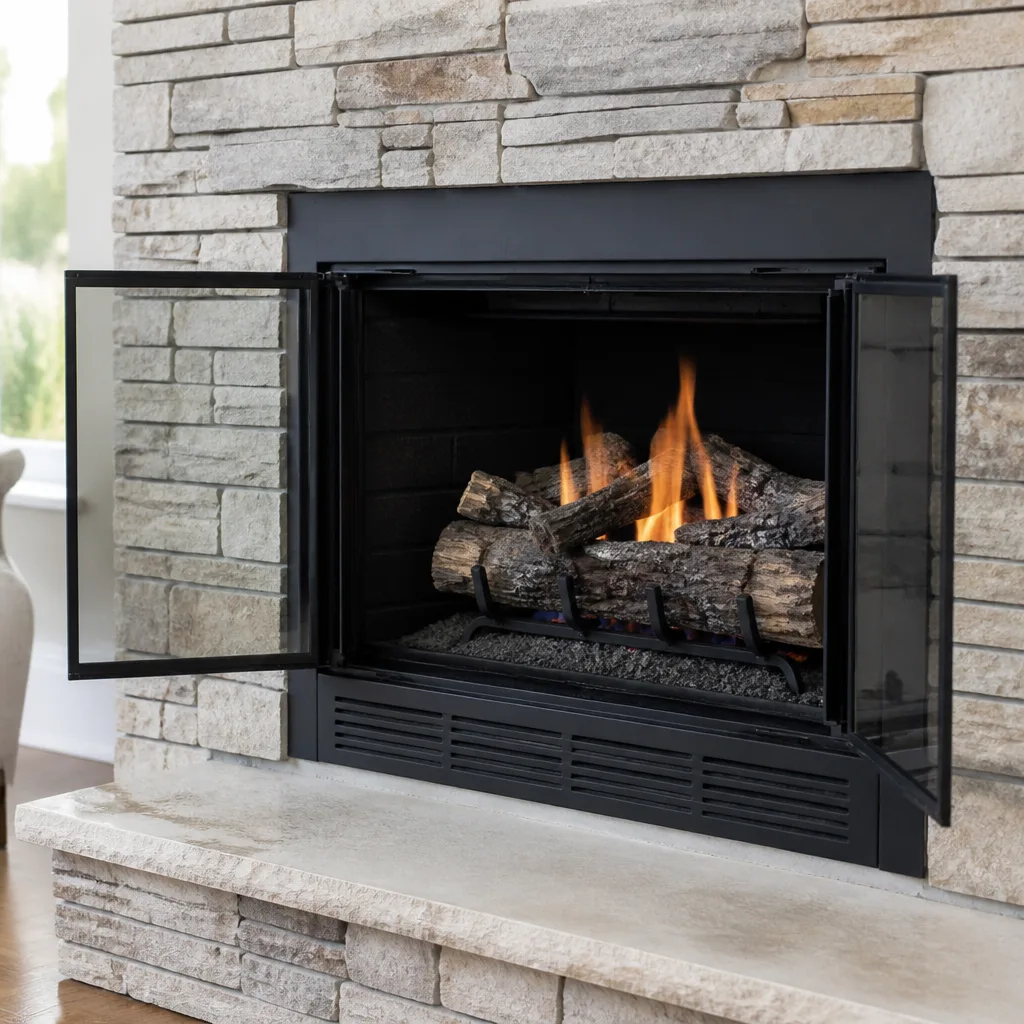 Gas fireplace service
Level 1 sweep and inspection to the NFPA 211 annual standard - flue, crown, cap, and flashing checked and photographed
Chimney sweep logs do not sweep chimneys. They loosen some creosote - which then falls where a brush and vacuum still have to collect it.
Seasonal Chimney Cleaning Care for Bellevue: Year-Round Homeowner’s Guide
Most Bellevue homeowners book their chimney sweep in October, right before the first fire of the season. That single habit is why sweeps are backed up for weeks in fall and why a mid-season problem becomes a scramble. The counterintuitive fix is simple: the best time to service a chimney in Bellevue is late summer, after the burn season ends and before the wet weather settles in. This guide maps Bellevue’s actual seasonal wear cycle to the right maintenance actions at the right time, covering what to check in spring, why summer is the repair window, what fall leaves do to a flue, and the mid-winter signs that mean stop burning and call someone.
Quick Answer
In Bellevue, chimney care should follow the local climate rather than a generic annual schedule: inspect in spring after the freeze-thaw season, do repairs and relining in dry summer months when masonry cures correctly, clean the sweep in late summer or early fall before burn season, and watch for mid-winter warning signs that mean stop using the fireplace. A chimney cleaning once a year is the baseline, but Bellevue’s wet winters and heavy deciduous leaf fall create a wear cycle that calls for targeted checks at specific points in the year, not a single October visit.
Styles & brands we work with
- Sweep & inspection
- Caps & crowns
- Flue relining
- Masonry repair
- Gas fireplace service
Table of Contents
- Why Bellevue’s Climate Creates Its Own Chimney Wear Cycle
- Spring: The Freeze-Thaw Check on Mortar and Masonry
- Summer: The Best Window for Inspection, Repairs, and Relining
- Fall: Debris, Caps, and the Pre-Season Sweep
- Winter: Burn Behavior and the Signs to Stop
- How Bellevue’s Moderate Burn Frequency Stages Creosote
- A Simple Year-Round Schedule You Can Follow
- Inspections for Buying, Selling, and Insurance in Bellevue
Why Bellevue’s Climate Creates Its Own Chimney Wear Cycle
Bellevue sits in a wet, mild climate. Winters are long and damp with repeated freeze-thaw swings, summers are dry and warm, and autumn brings a heavy drop of leaves from the broadleaf trees that fill the area’s neighborhoods and greenbelts. Each of those conditions hits the chimney differently. The generic “sweep once a year, done” advice treats every climate as the same. It isn’t. A Bellevue chimney faces a different set of pressures than one in a cold, dry region, and the maintenance calendar should reflect that.
There are three working parts to any chimney system: the flue and its liner, the firebox and damper, and the exterior stack with its cap and crown. Each part responds to the local weather cycle on its own timeline. The wear shows up like this:
- Wet winters drive water into masonry joints, crowns, and any gap around the cap. Water is the single biggest cause of chimney deterioration in this region, and the damage builds quietly over a season.
- Freeze-thaw swings between a cold night and a mild day push moisture-driven cracking faster than a steady deep freeze would. Masonry that stays saturated is more vulnerable when the temperature drops.
- Dry summers give that masonry a chance to dry out and are the correct window for mortar, sealant, and relining work that needs to cure properly.
- Heavy autumn leaf fall clogs cap screens and flue tops, blocking airflow and inviting nesting animals into a warm, dry flue before the first burn.
Once you see the chimney as three parts on their own weather clocks, the annual routine makes more sense. Spring belongs to the exterior masonry check. Summer belongs to repairs and relining. Fall belongs to the sweep and cap cleaning. Winter belongs to watching how the fire behaves. We’ve laid out each season in turn below.
Spring: The Freeze-Thaw Check on Mortar and Masonry
Spring is when the winter’s damage becomes visible. After months of wet-dry and freeze-thaw cycles, mortar joints tell the story. Look up at the stack from the ground. White chalky staining on the brick, crumbling mortar between courses, or a crown that has pulled away from the flue are all signs that water has been working into the masonry. These are the conditions worth catching before the dry summer repair window closes.
What to check each spring:
- Mortar joints. Step back and look for mortar that has receded or turned crumbly. Joints that are deeper than the brick face are signaling deterioration.
- The crown. This is the sloped concrete top of the chimney. Look for cracks, separation from the flue, or spalling. A failing crown lets water straight into the structure.
- The cap. Check that the cap is still seated and that its screen or mesh isn’t torn or missing. A loose cap rattles or sits crooked.
- Staining. Vertical streaks down the exterior brick point to water tracking through the masonry. Efflorescence (the white chalky bloom) means moisture is moving through the wall.
- Interior signs. Inside the house, look at the ceiling near the chimney chase for water stains or dampness. These often appear in spring after a wet winter.
A spring check doesn’t mean you’re repairing anything yet. It means you’ve identified what the wet season did, so the summer repair window can be used deliberately rather than discovering a problem in a hurry in October. According to our technicians’ experience of up to 11 years, the chimneys that need the most structural work in fall are the ones whose spring warning signs went unexamined.
Summer: The Best Window for Inspection, Repairs, and Relining
Summer is the ideal season for real chimney work, and it’s the window most homeowners skip. Dry masonry accepts sealants and coatings far more reliably than damp masonry does, and mortar needs dry, warm conditions to cure correctly. A repointing job or a crown repair done in summer holds better than the same work done in a wet Bellevue fall. And a chimney inspection done in summer gives you real lead time to plan any repair before burn season begins.
What typically gets scheduled in summer:
- A full inspection. We offer chimney sweep and inspection as separate services, so a summer inspection can stand on its own without forcing a sweep you don’t need yet.
- Masonry repointing and crown work. Cracks and receded joints found in spring are addressed while the weather cooperates.
- Cap and crown installation. A properly fitted chimney cap & crown installed in summer stops the next wet season’s water intrusion at the source.
- Liner assessment and relining. If the inspection turns up liner deterioration, summer gives the room to plan the relining or a HeatShield restoration without rushing.
This is also where Bellevue’s layout matters. Homes built on sloped lots in neighborhoods like Crossroads or near Cougar Mountain wind up with chimneys that shed water differently depending on the slope and the surrounding tree cover. A summer inspection lets us look at how your specific chimney meets the weather rather than applying a generic checklist. We stock and install trade-grade materials from brands like Famco and Copperfield, so cap and crown work isn’t a special order that pushes the job into the fall rush.
Fall: Debris, Caps, and the Pre-Season Sweep
Fall is when most Bellevue homeowners finally think about the chimney, and it’s also when the local debris problem peaks. The broadleaf trees that shade so many Bellevue properties drop a heavy load of leaves through October and November. Those leaves end up in gutters, in cap screens, and sometimes in the flue itself. A clogged cap screen chokes airflow, and a flue top packed with leaf litter is exactly what nesting animals look for before the cold sets in.
The fall pre-season routine comes down to four steps:
- Clear the cap and screen. Inspect from the ground for leaves packed into the mesh and clear any that are blocking airflow. If the cap is damaged or the screen is torn, plan for repair rather than patching it with tape.
- Get the sweep done before the rush. Late summer and early fall are the sweet spot. Waiting until the first cold snap means competing with everyone else who just lit a fire and found a problem.
- Check the firebox and damper. Look for debris, an off-track damper, or crumbling fireplace repair needs before the first burn. If the damper won’t seal or the firebox has cracks, that’s a repair, not a cleaning.
- Test the draw with one small fire. A gentle first fire lets you see how the chimney draws before you’re relying on it in cold weather. Smoke rolling back into the room is the signal to stop and call.
We can’t overstate how much of the late-fall scramble is preventable. Booking the sweep in late August or September, before the leaves have fully dropped and before the first cold snap shows up, means the work is done and the debris issue is cleared before it has a chance to matter.
Winter: Burn Behavior and the Signs to Stop
Winter is the burn season, and it’s also when a chimney’s real condition shows itself through how the fire behaves. A well-maintained chimney draws cleanly and burns evenly. A compromised one gives warning signs that homeowners often miss because they’re focused on the fire, not the flue. Knowing those signs is the difference between routine mid-season service and an emergency.
Stop using the fireplace and call a professional immediately if you notice any of the following:
- Strong, acrid smoke smell indoors, or smoke rolling back into the room. This usually means a blocked flue or a drafting issue, and it’s not safe to keep burning.
- A thick, rolling, or unusually dark smoke from the top of the chimney. Steady dark smoke points to incomplete combustion and rapid creosote buildup.
- The smell of creosote or a chemical odor. A heavy creosote smell when the fireplace is cold is a warning that the flue has a dangerous accumulation.
- The firebox or fireback glowing or cracking more than usual. Cracks that widen during the season mean the firebox needs evaluation before the next burn.
- A carbon monoxide alarm triggering. Leave the house, call for help, and do not relight the fireplace until a chimney professional has cleared it.
There’s also a subtler winter signal: a fire that used to draw well but now smokes, or a fireplace that’s harder to start as the season goes on. Those often point to a partial flue blockage from creosote or falling debris. If you notice a change mid-season, get it checked rather than pushing through the rest of the winter. A cleaning now is cheaper than a chimney fire later.
How Bellevue’s Moderate Burn Frequency Stages Creosote
Creosote buildup depends partly on how often and how hot you burn. In Bellevue, most homeowners burn moderately: an evening fire on cold nights through the winter, not a constant fire all season. That moderate pattern shapes creosote differently than the constant, hard burn of a cold-climate region. Creosote passes through recognizable stages:
- Stage one: a light, flaky soot layer. This is easy to sweep away and is the normal result of a well-managed, moderate fire.
- Stage two: a denser, crusty deposit. This is harder to clear and reflects a season or two of buildup where sweep frequency lagged.
- Stage three: a glazed, hardened layer that’s a genuine fire risk. This happens with cooler, smoldering fires and infrequent cleaning.
Because Bellevue’s burn season is moderate rather than constant, many homeowners fall into a trap: they assume moderate use means low risk. But cool, smoldering, low-air fires actually produce more creosote per log than hot, clean-burning fires. Burning unseasoned wood, or dampening the fire to make it last longer, accelerates the deposit. That’s the reason a once-a-year cleaning makes sense for most Bellevue homes even if you only burn a few times a week. If you consistently burn damp wood or your fires tend to smolder rather than flame, your accumulating creosote warrants a closer sweep interval.
The practical takeaway: match the sweep to how you actually burn. A clean-burning, well-managed fire and a damp, smoldering fire produce the same volume of logs and a very different creosote picture. A chimney inspection tells you which category your chimney is in.
A Simple Year-Round Schedule You Can Follow
Here’s the calendar we recommend for a Bellevue chimney. It’s a framework, not a rigid rule, and it should flex based on how much you burn, the type of wood you use, and the inspection findings from each season.
- Spring (after burn season): Visual exterior check for mortar, crown, cap, and staining. Note anything that looks like winter damage. Book an inspection if you see warning signs.
- Early summer: Schedule your inspection. If repairs, relining, or a HeatShield restoration are needed, this is the window for them.
- Mid summer: Complete masonry, crown, and cap work. Get any liner restoration done while the weather is dry.
- Late summer: Book the sweep before the fall rush. Get the flue cleaned and the firebox checked.
- Early fall: Clear leaves and debris from caps and gutters. Test-draw with one small fire.
- Winter: Watch burn behavior. Stop and call if you see warning signs. Schedule any mid-season cleaning if the fire isn’t behaving as it should.
One thing worth noting about this schedule: it front-loads the work. Spring and summer are when the real repairs happen, and by the time the cold weather arrives, your chimney is already in shape. That’s the whole point of a year-round routine. It moves the pressure off October, when everyone else is trying to book, and onto the dry months when work holds better anyway.
Inspections for Buying, Selling, and Insurance in Bellevue
Chimney inspection isn’t just about maintenance. In Bellevue’s real estate market, a documented chimney assessment is often part of a transaction. Buyers want to know the chimney’s condition before they close. Sellers want a clean report that keeps a deal moving. Property managers need documentation for insurance. A standalone inspection covers all three without bundling in extra work you didn’t ask for.
What a standalone inspection gives you:
- A clear picture of the flue liner, firebox, damper, and exterior masonry.
- A documented report you can hand to a real estate agent, a buyer, or an insurance carrier.
- Photos and notes on any deterioration, so the finding is verifiable rather than a verbal claim.
That last point matters more than most homeowners realize. The main hesitation people have when told their chimney needs work is “how do I know that’s true?” A documented inspection answers that question before it’s asked. You see the evidence, you make the call. If the liner is sound and the masonry is fine, you get that in writing too, which is just as useful when you’re selling.
Bellevue Chimney Sweep Co handles the full chimney lifecycle in-house: sweeping, inspection, fireplace repair, chimney repair, and cap and crown installation. All of it happens with one company, so an inspection that turns up a problem doesn’t mean you’re handed off to someone else. We stock and install trade-grade materials from DuraFlex, HeatShield, Gelco, Olympia Chimney, Famco, and Copperfield, and we can put a written estimate together once we’ve seen the chimney.
Common Mistakes to Avoid
- Booking the sweep in October. That’s when everyone else does it, so you’re competing for slots exactly when you need one most. Late summer is the better window.
- Treating “moderate use” as low risk. Smoldering fires build creosote faster than hot ones, so a few weekly fires of damp wood can accumulate more than a daily clean-burning fire would.
- Ignoring the cap. A missing or damaged cap is the number-one way water gets into a Bellevue chimney’s masonry during the wet season. It’s a small fix that prevents a big one.
- Doing masonry repairs in wet weather. Mortar and sealants need dry conditions to cure. A crown patch applied in a rainy fall doesn’t hold the way a summer one does.
- Skipping the spring check. The freeze-thaw damage left by a Bellevue winter is easiest to catch in spring. Wait until fall and you’ll be rushing the repair.
- Assuming a clean flue means a sound chimney. A sweep cleans the flue; it doesn’t assess the masonry, crown, or liner. If you need a condition assessment, ask for an inspection.
- Burning unseasoned wood. Damp wood produces more smoke, more creosote, and less heat. Seasoned wood charges the flue less and burns hotter.
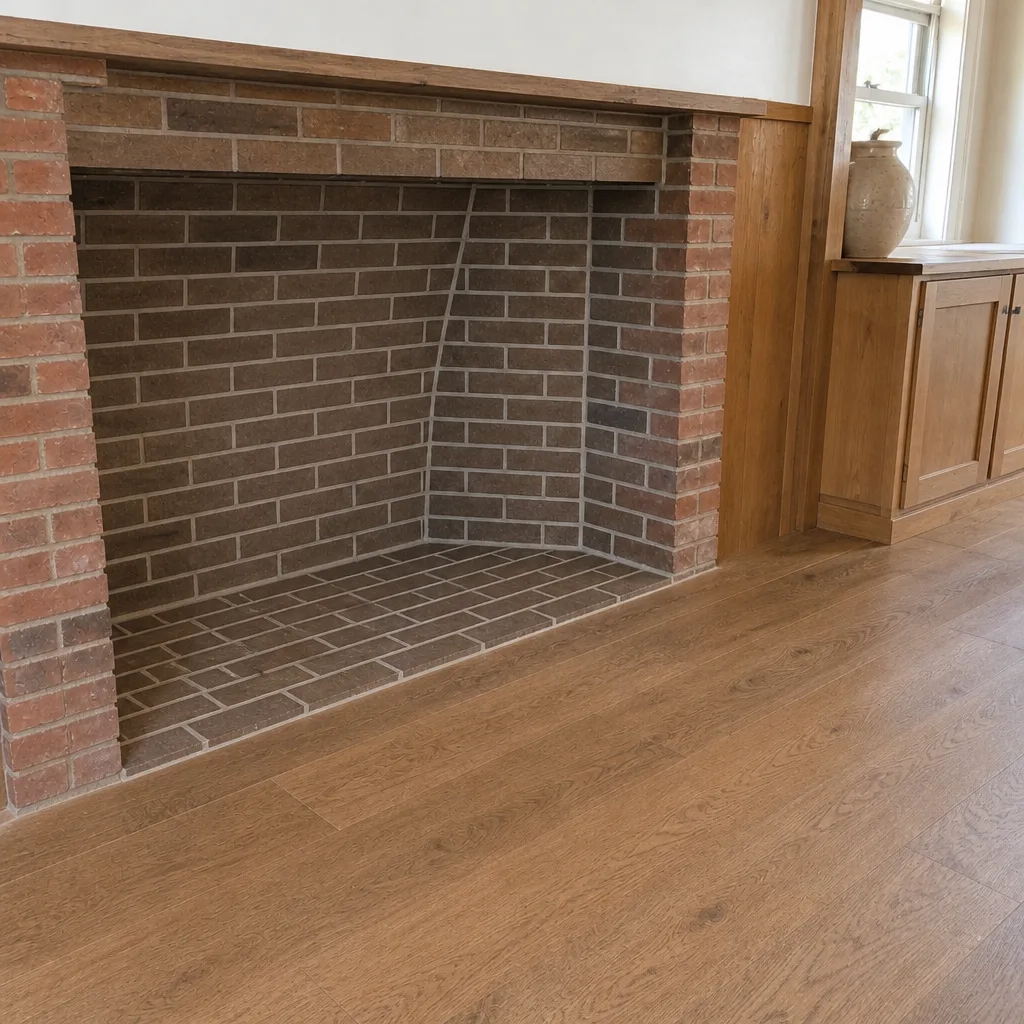
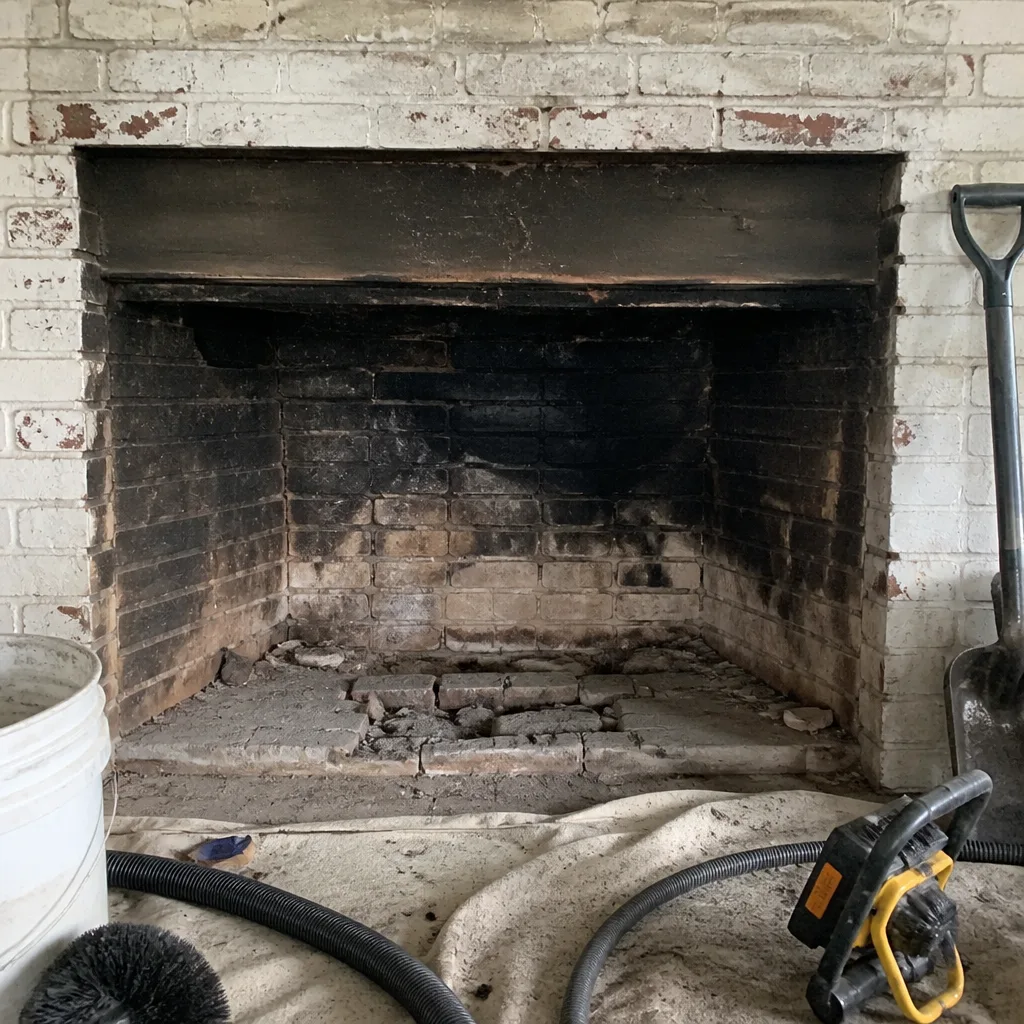
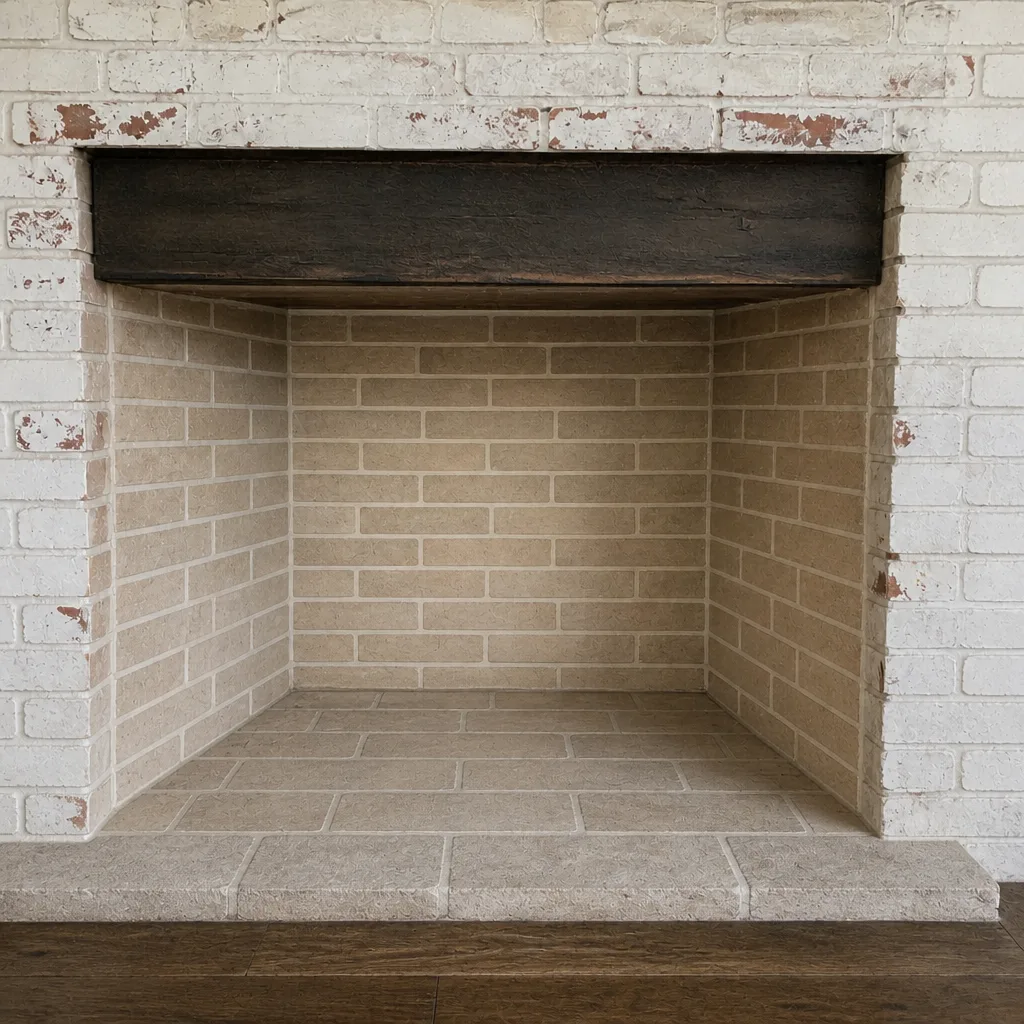
See the difference
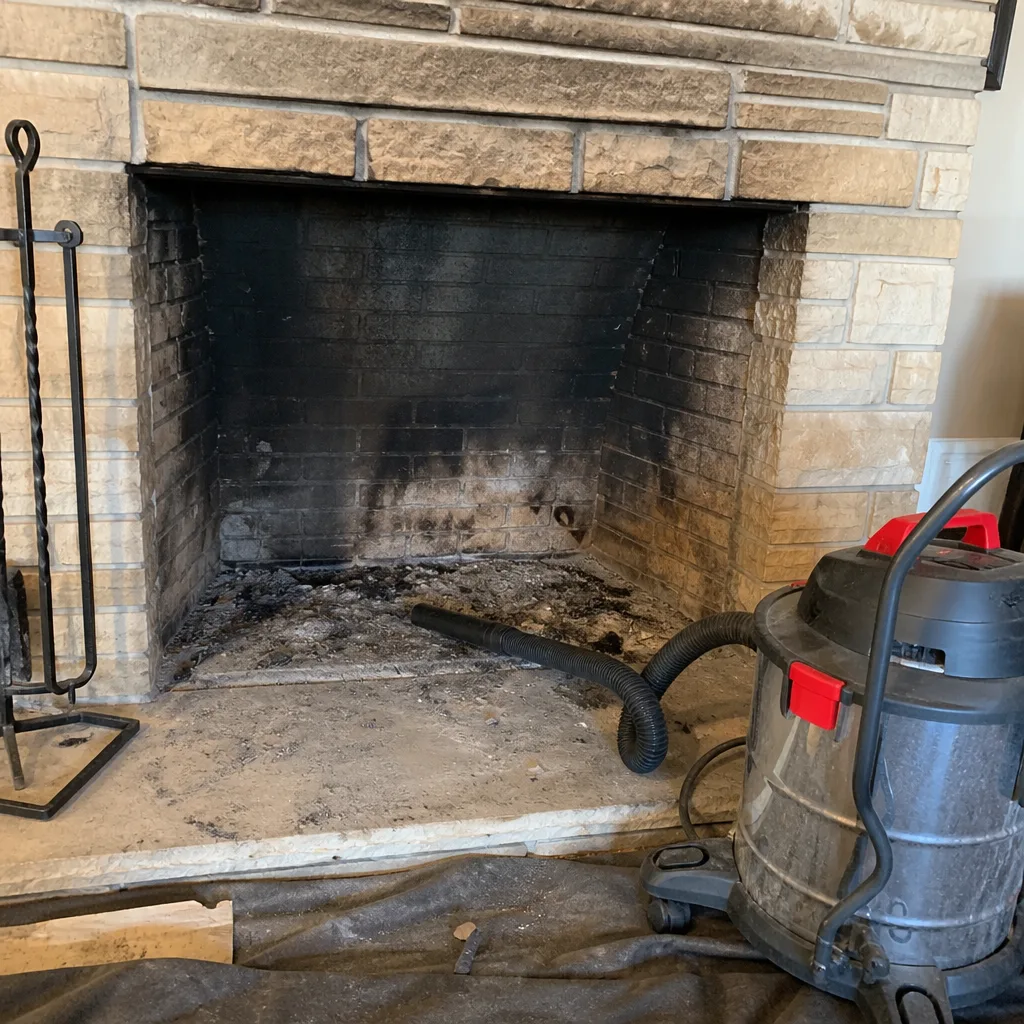 Before
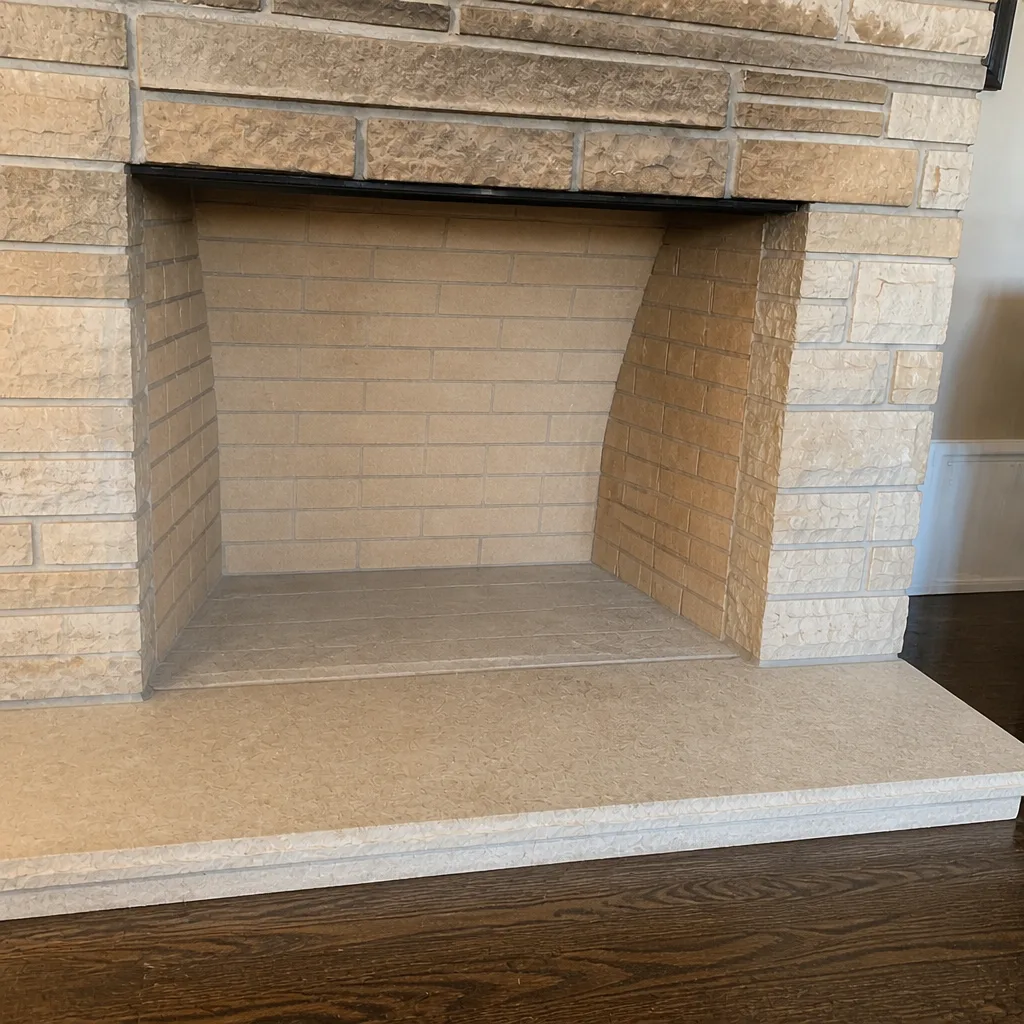 After
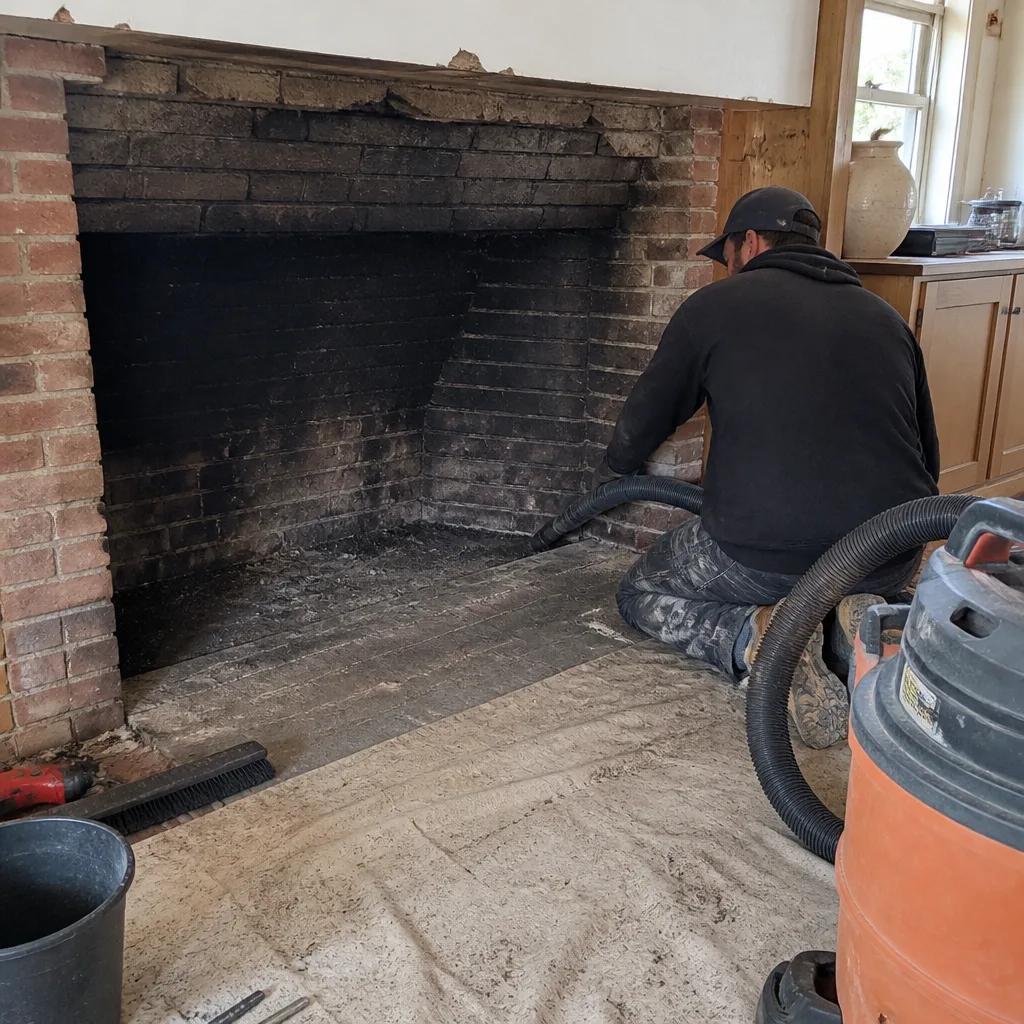 Before
 After
 Before
 After
When to Call a Professional
Call a professional if you see crumbling mortar, a cracked or separated crown, a damaged cap, or water staining on the exterior or near the chimney chase inside. Call if the fireplace smokes, if draw changes mid-season, if you smell creosote or strong smoke, or if you’ve never had the chimney inspected and can’t say when it was last cleaned. Call immediately if a carbon monoxide alarm sounds or the firebox shows new cracks. These are the scenarios where a trained eye and the right equipment matter, and where Bellevue Chimney Sweep Co offers free estimates in Bellevue. Call (833) 509-4335. We answer 24/7. Fast dispatch from 7am to 7pm, Sunday through Friday. Our technicians have up to 11 years of experience, and the written estimate sets the final price.
Frequently Asked Questions
Once a year is the baseline for most Bellevue homes, but it depends on burn frequency and wood quality. If you burn several times a week through the season or use damp wood, you may need a cleaning mid-season. A chimney inspection tells you exactly where your creosote is staged and whether an annual sweep is enough. Call (833) 509-4335 for a free estimate.
Late summer is the better window in Bellevue. Fall is when everyone books, so slots fill up fast, and an early cleaning leaves room to plan any repair before the wet season. Summer also lets repair and relining work cure properly in dry conditions. Call (833) 509-4335 to book before the fall rush.
A smoke smell in warm weather is usually creosote off-gassing as the chimney warms up, which points to a buildup that needs sweeping. It can also mean a downdraft or a damper that isn’t sealing. A cleaning and inspection tells you which. Call (833) 509-4335 for an exact quote.
Crumbling mortar, a cracked crown, a loose cap, water staining, a smoking fireplace, or new firebox cracks all signal repair needs. The tricky one is the absence of visible signs: water damage to a Bellevue chimney often starts behind the surface. An inspection catches what a visual check misses. Call (833) 509-4335 and we’ll put a written estimate together.
It’s not always required, but it’s strongly recommended. A documented inspection gives a buyer confidence and gives you a clear answer if a question comes up mid-transaction. We offer inspection as a standalone service for real estate and insurance purposes, so you don’t have to bundle it with repair work. Call (833) 509-4335 for a free estimate.
Often, yes. Sweeping, inspection, fireplace repair, chimney repair, and cap and crown work are all handled by the same company, so if the sweep turns up a problem we can assess it on the same call. Structural or relining work may need its own visit, but you won’t be sent to a second contractor. Call (833) 509-4335 to book.
The Bottom Line
Bellevue’s wet winters, dry summers, and heavy leaf fall give its chimneys a wear cycle that a generic annual sweep doesn’t address. The right routine is season-specific: check masonry in spring after the freeze-thaw season, do repairs, relining, and cap work in dry summer, sweep and clear debris in late summer or early fall, and watch burn behavior through winter for the signs that mean stop. Booking in late summer instead of October takes the pressure off and gives any repair time to be done properly. Bellevue Chimney Sweep Co handles the full chimney system from a first sweep or inspection through structural repair, with trade-grade materials and one accountable company. Call (833) 509-4335. We answer 24/7. Fast dispatch from 7am to 7pm, Sunday through Friday.
Written by the team at Bellevue Chimney Sweep Co.