
Last updated November 23, 2026
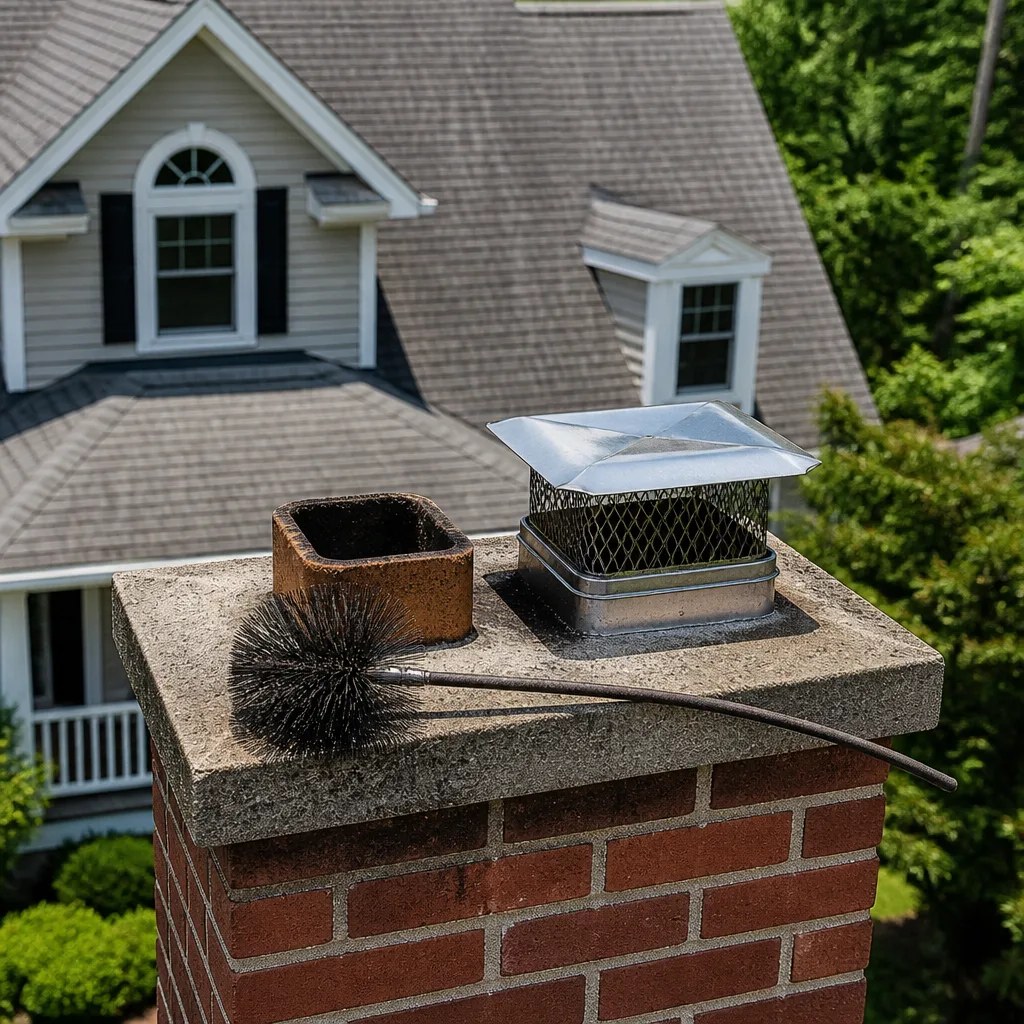 Sweep & inspection
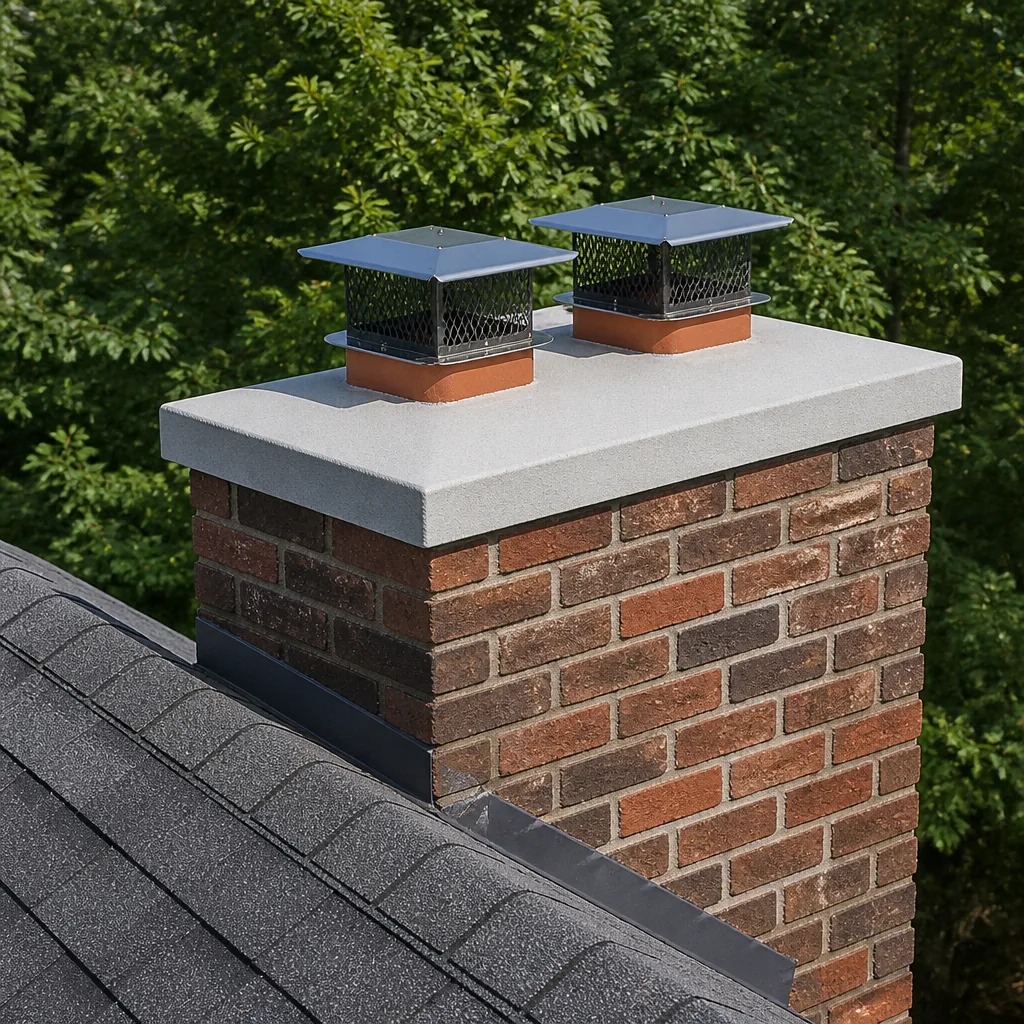 Caps & crowns
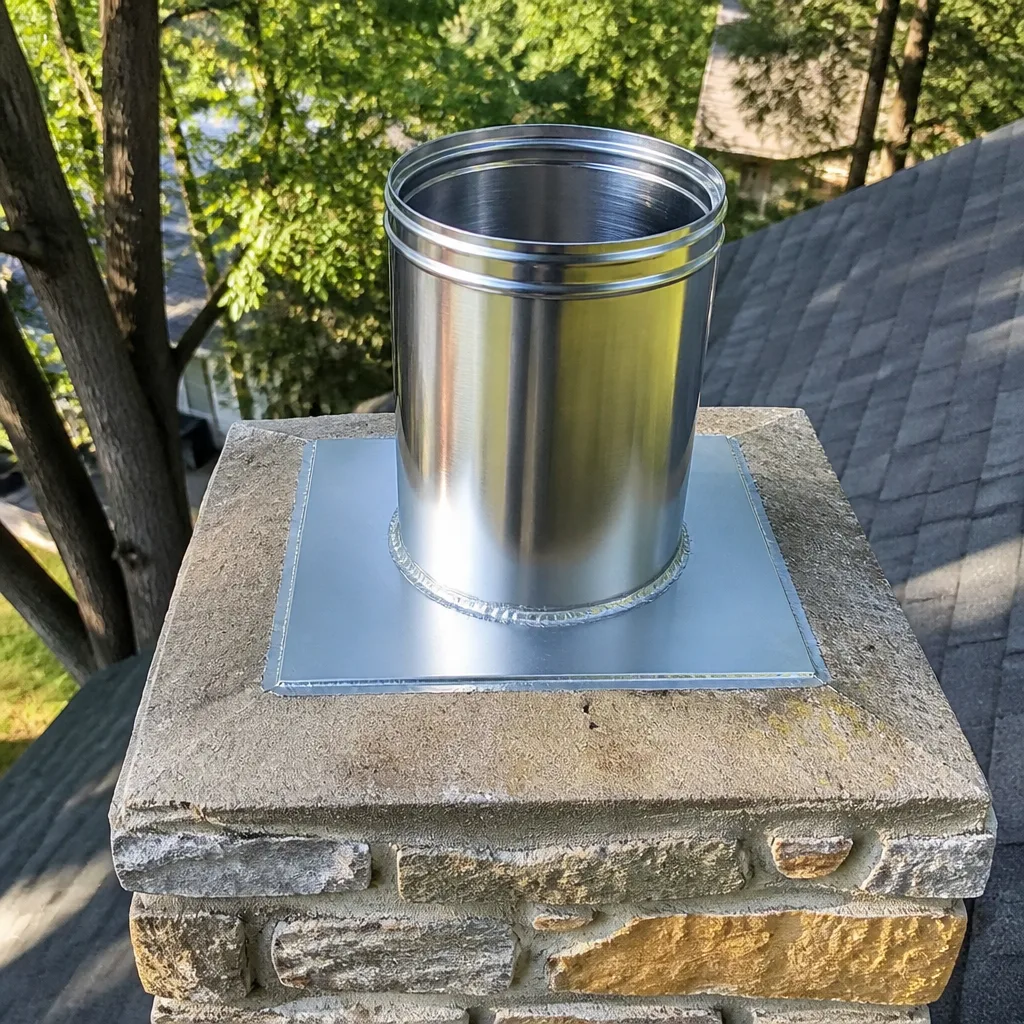 Flue relining
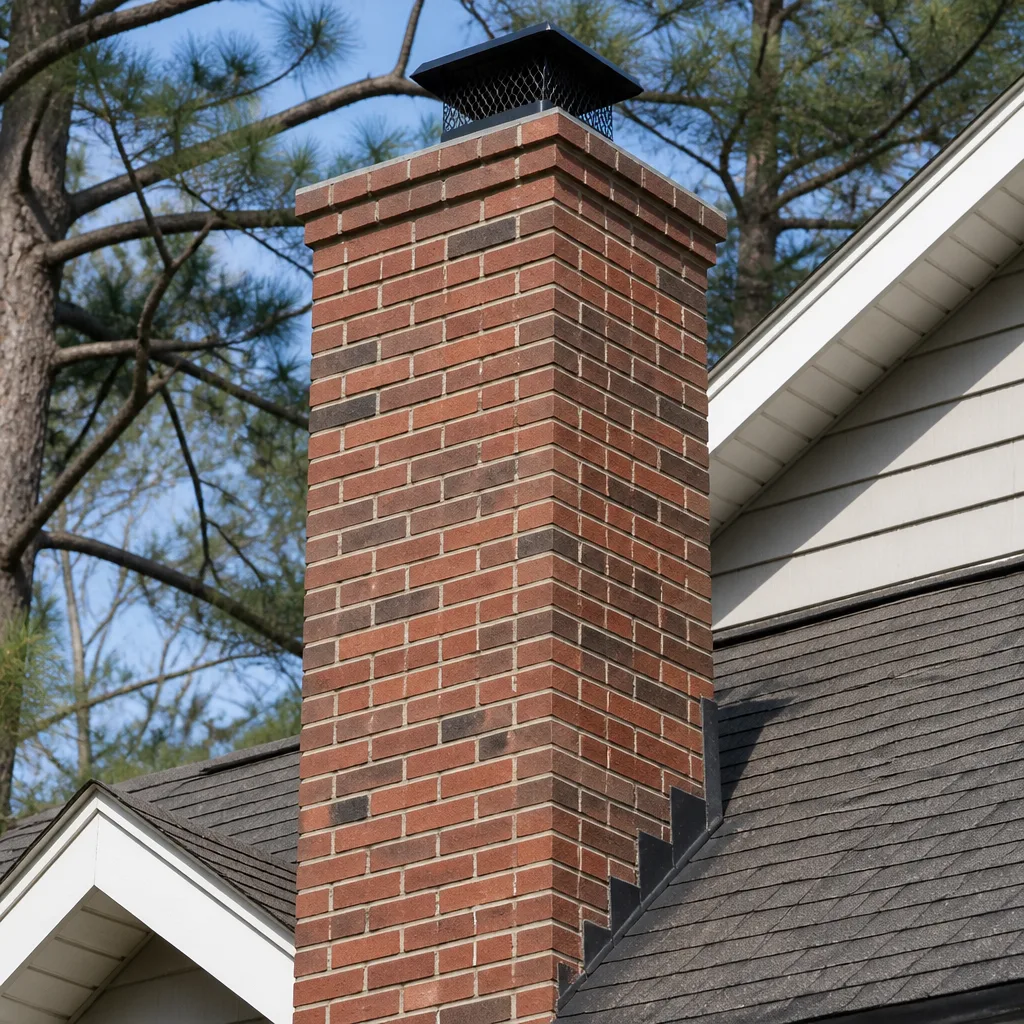 Masonry repair
 Gas fireplace service
Level 1 sweep and inspection to the NFPA 211 annual standard - flue, crown, cap, and flashing checked and photographed
Chimney sweep logs do not sweep chimneys. They loosen some creosote - which then falls where a brush and vacuum still have to collect it.
DIY vs Professional Chimney Cleaning: The Bellevue Homeowner’s Decision Guide
The brush work is the easy part. Most homeowners who read up on chimney cleaning come away convinced the job is just a rod, a brush, and an afternoon on a ladder. That’s the wrong thing to be worried about. The reason professionals exist isn’t because you can’t push a brush through a flue. It’s because creosote staging, hairline liner cracks, and crown deterioration are invisible to anyone who doesn’t know what they’re looking for. A clean chimney isn’t the same thing as a safe chimney, and the gap between those two ideas is exactly where DIY goes wrong. This guide breaks down what a homeowner can realistically pull off in Bellevue, what the equipment actually removes, what the real costs look like, and the signals that tell you when you’ve hit the limit of what you can safely assess. By the end you’ll know whether your situation is a DIY job or one that needs a trained eye on it.
Quick Answer
For most Bellevue homeowners, professional chimney cleaning is the better choice because the sweep itself is only half the service. A consumer brush kit can knock loose soot off the flue walls, but it can’t remove glazed creosote, can’t inspect the liner, and can’t tell you whether your smoke chamber is corbeled correctly. DIY makes sense in narrow situations: a lightly used wood stove with a thin, powdery creosote layer and a flue you already know is in good condition. Everywhere else, especially gas inserts and homes with any history of chimney fires, the diagnostic value of a professional visit is worth more than the tool cost you’d save.
Styles & brands we work with
- Sweep & inspection
- Caps & crowns
- Flue relining
- Masonry repair
- Gas fireplace service
Table of Contents
- What Homeowners Can Realistically Do Themselves
- What a Rotary Cleaning System Removes That Brushes Miss
- The Inspection Steps That Require Training
- Real Cost Comparison for Bellevue Homeowners
- When DIY Is Actually Acceptable
- When DIY Creates Liability
- What to Watch For If You Try It Yourself
- Common Mistakes to Avoid
- When to Call a Professional
What Homeowners Can Realistically Do Themselves
Consumer chimney brush kits usually cost somewhere in the $60 to $150 range and consist of a poly or wire brush head, a set of flexible fiberglass or nylon rods, and a hand drill adapter if you’re lucky. With that setup, a homeowner can typically accomplish three things: knock down a light layer of soot, clear an obvious bird’s nest or leaf clog near the top of the flue, and get a rough visual sense of whether the flue is caked or relatively clean. That’s it. That’s the honest ceiling of consumer equipment in a Bellevue chimney.
What most people don’t realize until they’re on the roof is how much the tool itself limits the outcome. Consumer brushes are sized to the flue, but they aren’t weighted, they don’t spin at a controlled speed, and they can’t reach the smoke chamber or the offset in a masonry flue. On a clay tile liner, a nylon brush often just glides over the polished surface and removes almost nothing from a slick, hardened deposit. On a metal flue, a poor-fitting brush can scratch or distort the liner if you push at the wrong angle. And the moment you’re up there, you’ve also taken on the ladder work, the roof surface, and the disposal of everything you knock loose.
There’s one more issue: what comes down has to go somewhere. A homeowner brushing from the roof in Bellevue in autumn is often working with a plugged fireplace below unless someone is inside with a drop cloth and a vacuum rated for fine soot. Consumer shop vacs blow more ash than they capture. Professional setups use a sealed negative-pressure system that keeps soot out of the living space entirely.
If you use your fireplace regularly and want to understand what a proper sweep involves on its own, our chimney sweep page details the process from setup to final walk-through.
What a Rotary Cleaning System Removes That Brushes Miss
A rotary cleaning system is the single biggest difference between consumer brushing and professional sweeping. Where a consumer brush scrubs the flue with back-and-forth motion, a rotary system drives a spinning whip or chain through the flue at controlled speed. That spinning action does two things a hand brush cannot: it scours glazed creosote down to the liner surface, and it reaches the irregularities that hand-brushing skips, including the corbeled smoke chamber above the damper.
Creosote comes in stages, and the stages don’t behave the same way:
- Stage 1 – soot and flaky deposits: light, powdery, easily brushed off. Consumer equipment can handle this.
- Stage 2 – hardened crust: denser, sometimes tar-like. A poly brush may loosen flakes but won’t clear the layer.
- Stage 3 – glazed creosote: the hardest stage, glossy and fused to the flue walls. It’s a serious fire hazard, pops and cracks when it burns, and a hand brush doesn’t touch it.
Rotary sweeping with a properly weighted whip clears stage 1 and stage 2 deposits reliably and can break up stage 3, though the heaviest glazed creosote sometimes requires a chemical treatment ahead of the sweep or a liner restoration if the flue surface is too compromised to clean down safely. That’s where professional product lines come in. Materials like HeatShield are used to restore deteriorated liners without tearing them out, and Gelco sealants address cracked crowns and flue surfaces that a rotary sweep exposes. These aren’t products a homeowner can buy at the local hardware store, and they’re not something you’d apply from a ladder without knowing what failure looks like underneath.
One more distinction: a rotary sweep doesn’t just clean, it reveals. Every pass shows the technician the flue interior more clearly, which is exactly the point where a diagnostic eye matters.
The Inspection Steps That Require Training
The reason chimney technicians exist is not the brush. It’s the assessment that comes after the soot is gone. Once the flue is cleaned, the lining, joints, crown, and smoke chamber all have to be read for condition, and reading them correctly takes training and repetition. Here are the specific steps a trained inspection covers that a DIYer cannot realistically do:
- Reading liner camera footage. A camera inserted into the flue shows cracks, spalling, missing mortar joints, and offsets. Knowing the difference between a cosmetic hairline and a through-crack that lets heat reach combustibles takes experience with hundreds of liners.
- Assessing smoke chamber corbeling. The smoke chamber above the damper is often stepped or corbeled in older masonry. Improperly corbeled walls create turbulence that weakens draft and accelerate creosote buildup. Reading corbel condition and whether parging is needed is not a homeowner judgment call.
- Identifying draft geometry problems. Chimneys that smoke into the room on cold-start, or that backdraft in certain wind conditions, usually have a geometry issue: the wrong flue size, a stack too short for the roof pitch, a competing appliance, or a poorly fitted damper. Diagnosis requires measuring and comparing, not just looking.
- Crown and cap condition. Hairline cracks in a concrete crown look negligible and behave like open doors for water. Reading whether a crack is surface-checking or full-thickness, and whether the cap is venting and sealing as it should, is a professional call.
- Checking clearances to combustibles. The gap between a chimney and framing, insulation, or roofing material is often hidden. Inspecting it means looking at the chimney from inside the attic and from the exterior at the roofline.
- Documenting for real estate and insurance. A Level 2 inspection report is a documented record, not a verbal “looks fine.” That distinction matters when a buyer, lender, or insurance carrier is asking.
This is the diagnostic gap. It’s the reason a professional sweep costs what it does, and the reason a homeowner who brushes their own flue halfway still doesn’t know whether the chimney is safe.
Real Cost Comparison for Bellevue Homeowners
DIY is cheaper on paper and more expensive in ways that don’t fit in a spreadsheet. Here’s the honest breakdown of what each route involves, using typical Bellevue-area estimates:
| Item | DIY | Professional Sweep |
|---|---|---|
| Equipment | Brush kit, rods, drop cloths, shop vacuum | Included in service |
| Typical equipment cost | Roughly $60 to $150 for consumer kit | $0 |
| Typical service cost | $0 | Roughly $180 to $320 per sweep, depending on flue configuration and access |
| Time investment | 2 to 4 hours including setup, roof access, and cleanup | Under 2 hours on site, most of it technician time |
| Disposal and cleanup | Homeowner’s job; soot ends up in the home without a sealed vacuum | Sealed negative-pressure system, no soot in the living space |
| Inspection | Visual from the top only; no camera, no smoke chamber check | Full inspection included with the sweep. A standalone Level 2 inspection runs roughly $220 to $420 |
| Creosote removal | Stage 1 only; Stage 2 and 3 stay in the flue | Rotary system clears Stage 1 and 2; Stage 3 assessed and treated |
| Documentation | None | Written report suitable for insurance or real estate |
The first-year math is the clearest part of this. A homeowner buying a $120 kit and spending a Saturday on the roof has effectively saved $60 to $200 against a professional sweep and given up the inspection. If that inspection had flagged a cracked liner, the $200 saved would be dwarfed by what a liner replacement costs after a small crack turns into a chimney fire and a house-damage claim. When you add up time, cleanup, and disposal, DIY is genuinely cheaper only in narrow, low-risk situations.
Bellevue homes bring their own wrinkle to this math. Many of the area’s older neighborhoods sit on wooded lots where Douglas fir debris falls heavily through the fall and winter. Trees overhang roofs and rooflines, and raccoons and birds find their way into uncapped flues regularly. That means more frequent clog checks, more cap-and-crown attention, and a higher likelihood that a homeowner doing their own sweep will find something they can’t interpret. If you’re weighing whether to pay for a professional visit or a piece of equipment, our Bellevue Chimney Sweep Co page walks through the full scope of what that visit covers.
When DIY Is Actually Acceptable
There are real scenarios where a homeowner in Bellevue can handle their own chimney cleaning and still sleep well afterward. The list is short, but it exists:
- Lightly used wood stove with a clean history. If you burn less than a cord a season and your last professional inspection was clear, an annual hand-brush sweep can keep a thin soot layer under control between professional visits.
- Seasoned, well-dried firewood only. Dry wood under 20% moisture produces far less creosote than wet wood, so the deposits stay in Stage 1 and are easier to remove with a consumer brush.
- No gas insert, no catalytic stove, no pellet appliance. These require manufacturer-specific servicing and often a Level 2 inspection when they’re disturbed. DIY brush work on a gas insert can damage components you can’t see.
- No history of a chimney fire. If you’ve ever heard the roar and pop of a flue fire, or seen cracked tile or heat-glazed deposits, that flue needs a professional before anything else happens.
- A flue you already know is in good shape. If you have a recent inspection report showing the lining, crown, and cap are sound, brushing the soot off in between isn’t risky.
- You can safely access the flue. A steeply pitched roof, ice on the shingles, or a metal roof in Bellevue’s rainy months means no DIY. Roof access alone sends a lot of homeowners home.
If your situation meets all six of those, a consumer brush kit between professional visits is doing useful work. If any one of them doesn’t hold, the DIY calculation changes.
When DIY Creates Liability
The situations where DIY actively creates risk are the ones where a homeowner doesn’t realize they’ve crossed a line. The most common:
Gas inserts. A gas-burning appliance produces water vapor and slightly acidic condensate. The flue lining on a gas insert needs the right sizing and material, and servicing it requires understanding the venting. Brushing a gas flue with a metal brush can damage the appliance’s venting or void a manufacturer’s warranty. That’s a liability you don’t want to discover during a home sale.
Any Level 2 trigger. A Level 2 inspection is required after a chimney fire, an earthquake, a lightning strike, a change of fuel type, a change of appliance, or the sale of a home. If any of those apply and you do a homeowner sweep instead, you’ve substituted cleaning for the inspection that the situation actually required. In Bellevue, home sales and insurance underwriting both typically look for documented chimney inspection, and a DIY sweep produces no record.
Deteriorated liner or crown. A crown with a crack that runs to the flue, or a liner with spalled joints, is a structural problem a rotary brush can find and a homeowner sweep will often miss until water and creosote have made it worse. The typical reason Bellevue homeowners end up paying for a repair they didn’t see coming is that the first attempted sweep cleared soot but left a crack untouched.
Capped or heavily clogged flue. Pushing a brush through an active bird’s nest or a raccoon intrusion can back a large amount of debris down into the firebox with no sealed system to catch it. It’s also the moment many homeowners discover their cap is damaged or missing – which is a chimney cap & crown issue that a sweep-side inspection would have flagged.
Some of this falls into the category of things a professional visit catches even when the homeowner didn’t notice anything. When you’re working with an older Bellevue masonry fireplace, there are often small cracks and deteriorating joints that show up only in the camera footage. Our fireplace repair page covers what those symptoms typically look like inside the firebox and damper.
What to Watch For If You Try It Yourself
If you’re going to do a homeowner sweep anyway, these are the signals that tell you to stop and call for a professional assessment. Pay attention to all of them, because each one is the diagnostic gap showing itself:
- Glossy, shiny deposits on the flue walls. That’s Stage 3 glazed creosote. A brush won’t clear it, and it’s the deposit stage most associated with chimney fires. Stop sweeping and call.
- Cracked or chipped clay tiles. If you can see tile segments with broken edges, missing mortar joints, or full-thickness cracks, the flue needs a professional look before you burn again.
- Loose or missing pieces of the crown. A crown is a concrete cap at the top of the chimney. If it’s cracked, crumbling, or pulling away from the flue, water is getting in, and the fix is a professional rebuild, not a caulk and paint.
- Rust or distortion on a metal liner. Metal flues can corrode, but distortion from heat, sagging sections, or popped seams mean the liner is at end of life.
- Any sign of a past chimney fire. Puffy or honeycombed creosote, warped dampers, heat-discolored metal, or cracked tile in a pattern that suggests rapid heating. Chimney fires aren’t always noticed by the occupant. These clues matter.
- Smoke rolling into the room during or after your sweep. That’s a draft problem. It can also be a symptom of a flue blockage that moved further down.
- Water staining inside the firebox or on the ceiling near the chimney. That points to a cap or crown failure and to water damage in the masonry. Neither can be addressed from a ladder with a brush.
Seeing any of those seven is your answer. Put the brush down, close the damper, and get a professional assessment. The cost of a sweep and inspection is nothing compared to what the missed condition will charge you later.
Common Mistakes to Avoid
- Assuming clean equals safe. A flue that looks clean from the top can still have a cracked liner, a failing smoke chamber, or a crown pulling away from the stack. Cleaning without inspecting only tells you the soot is gone.
- Using a metal brush on a metal liner. Stainless flue liners scratch and distort under a stiff wire brush driven at a bad angle. The liner is one of the components most disrupted by DIY efforts in Bellevue homes.
- Brushing with a shop vac as the only dust control. Consumer shop vacuums blow fine soot through the filter and into the living space. That soot is not only a cleanup problem; it settles into HVAC returns and furniture for months.
- Skipping the roof-access check entirely. Bellevue’s wet fall and winter months coat shingles and metal roofs with a slick film. A homeowner who climbs up to brush a flue in that condition is exposing themselves to a fall hazard for a $200 job.
- Ignoring the smoke chamber. Consumer kits can’t reach the corbeled chamber above the damper. Homeowners who only brush the straight part of the flue routinely leave the dirtiest section of the system untouched.
- Sweeping just before the first burn. The best time to sweep is before the burning season starts, not the moment you want a fire. Every fall in Bellevue, a backlog builds up in the weeks after the first cold snap. Booking earlier means a shorter wait.
- Keeping an unsealed firebox open to the room during sweeping. Without closing the damper or blocking the firebox, the fine soot that comes down spreads through the room. A sealed sweep system prevents it; a homeowner setup usually doesn’t.
When to Call a Professional
Call a professional when any of these apply: you’ve never had the chimney inspected; you’ve had a chimney fire, however small; you’ve changed appliances or fuel type; you’re selling or buying a home in Bellevue; your insurance carrier has asked for documentation; you see glazed creosote, cracked tile, crown damage, or water staining; your fireplace smokes into the room; or you’re simply not sure what you’re looking at once the soot is cleared. Any one of those is reason enough. Professional operators can run a camera, read the footage, and hand you a written report you can pass to a buyer, lender, or insurance carrier. Bellevue Chimney Sweep Co offers free estimates in Bellevue – call (833) 509-4335. We answer 24/7. Fast dispatch from 7am to 7pm, Sunday through Friday, and our technicians have up to 11 years of experience.
See the difference
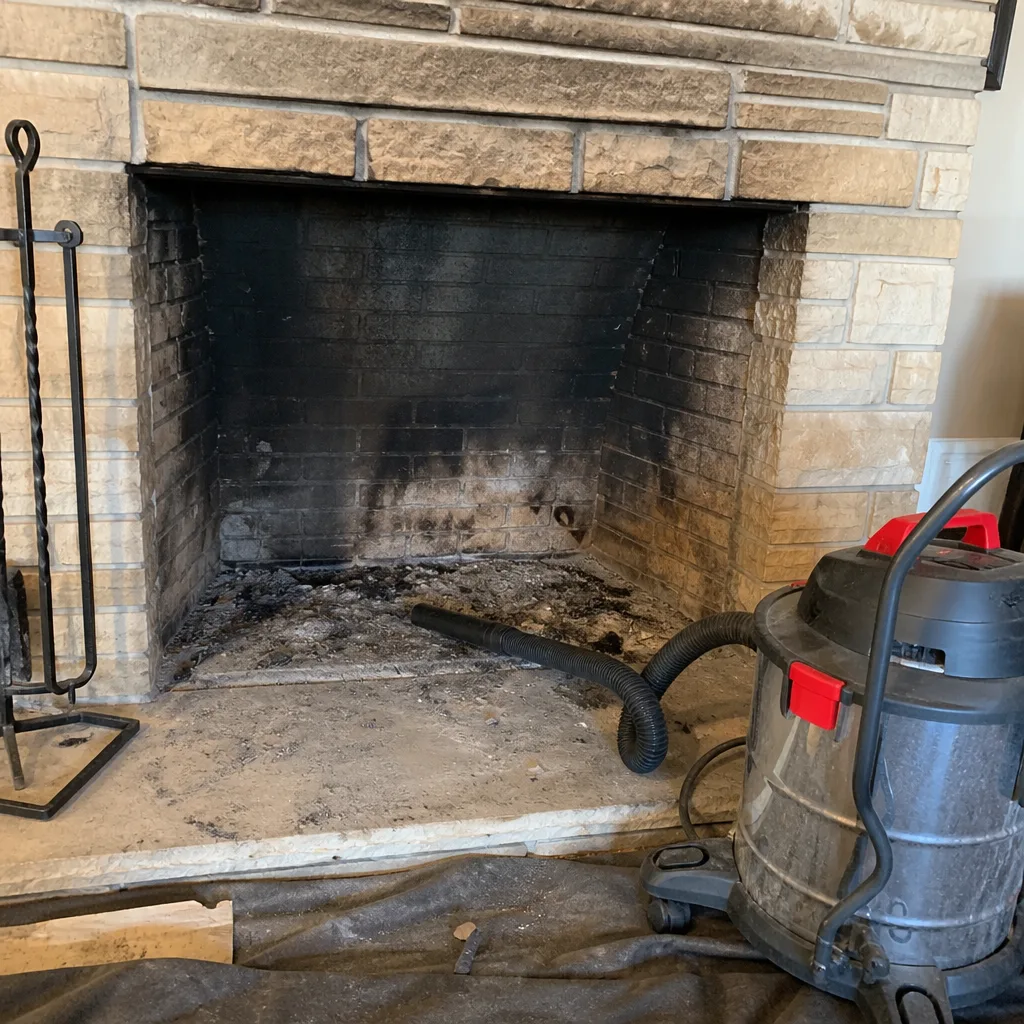 Before
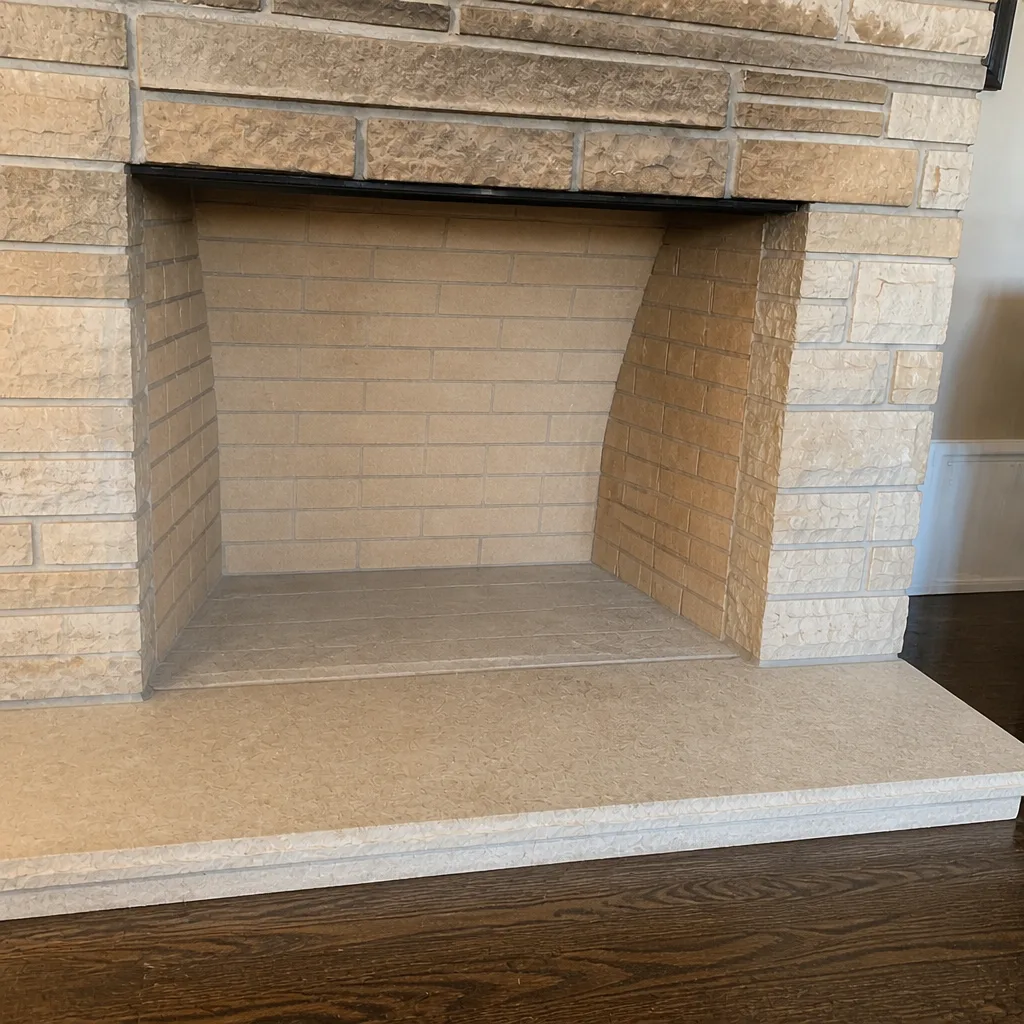 After
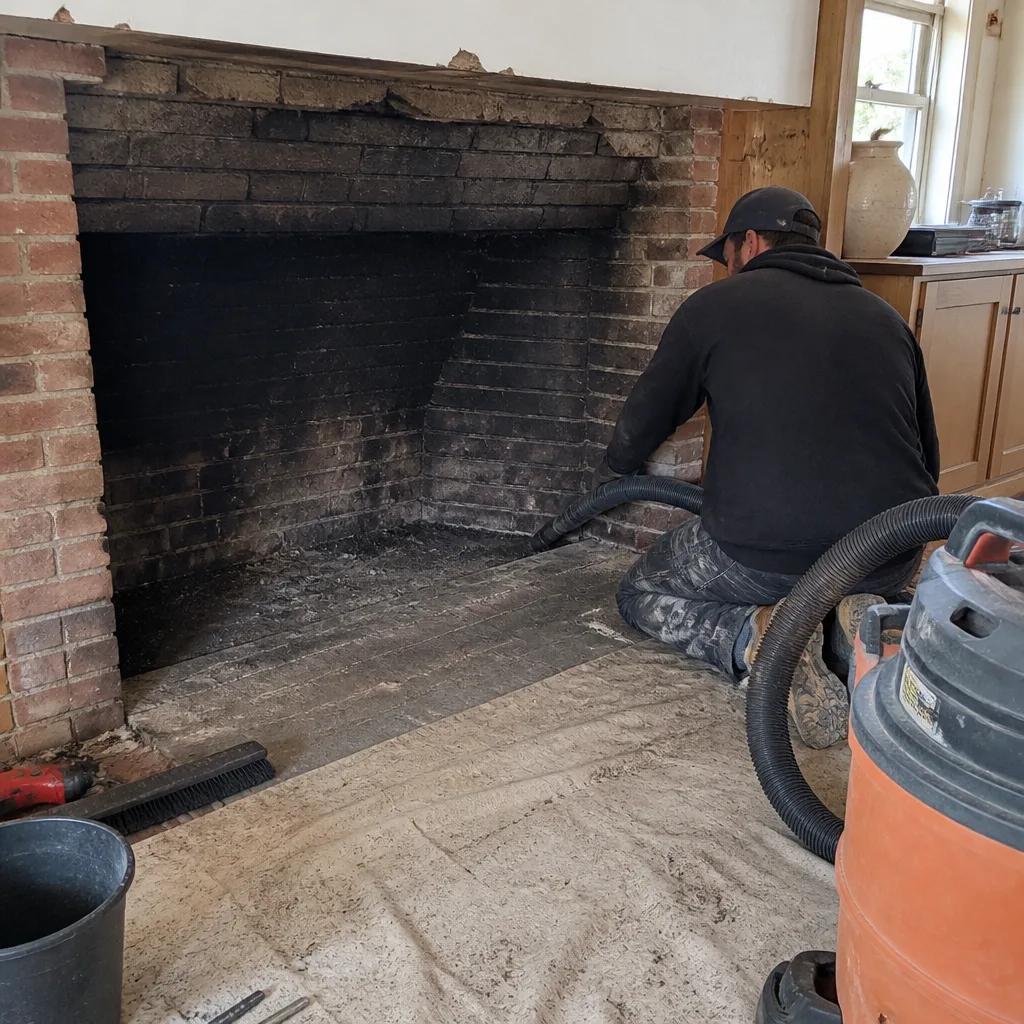 Before
 After
 Before
 After
Frequently Asked Questions
A typical chimney sweep in Bellevue runs roughly $180 to $320, depending on flue configuration, access, and whether a rotary system is needed for heavier creosote. A standalone Level 2 inspection with camera footage usually runs $220 to $420. Call (833) 509-4335 for an exact quote – estimates are free.
Only a camera inspection tells you which one you need. A sweep clears soot and creosote; a liner is a structural component and only needs replacement or restoration when the footage shows real damage. HeatShield and Gelco are used to restore a deteriorated liner without tearing it out, so a “new liner” isn’t always the answer. Get the footage first, then decide. Call (833) 509-4335 to schedule the inspection.
The standard guidance is once a year for a fireplace in regular use, and sooner if you burn heavily, burn unseasoned wood, or notice glazed creosote. A wood stove in heavy use often needs sweeping more frequently than an occasional fireplace. For Bellevue homes with wooded lots and heavy leaf and fir debris, an annual inspection and sweep is the safest baseline. Call (833) 509-4335 for a free estimate on scheduling.
Creosote builds up in layers, and each burning season adds to the last. Skipped sweeps don’t just mean a dirty flue – they mean Stage 2 and Stage 3 deposits that eventually ignite, and carbon monoxide that has fewer places to vent. Skipping the inspection is often what turns a $200 sweep into a liner or masonry repair. Call (833) 509-4335 to book a sweep before burning season.
Not practically. Rotary systems spin a weighted whip at controlled speed, and getting the speed, whip size, and liner material right matters – the wrong setup can score a metal liner or crack a clay tile. The value of a rotary system is only fully realized when the technician operating it can read what it exposes. Call (833) 509-4335 to have one run by a trained technician.
Usually yes, in practice. Bellevue buyers, real estate agents, and insurance underwriters typically request a chimney inspection during a real estate transaction, and a Level 2 inspection report is the standard document they want to see. A homeowner sweep produces no record. Call (833) 509-4335 to schedule a standalone inspection you can hand to your agent.
The Bottom Line
DIY chimney cleaning isn’t impossible – it’s just incomplete. If you have a well-maintained wood-burning fireplace with light Stage 1 soot and a clean inspection history, a homeowner brush kit between professional visits will keep things in decent shape. Step outside those conditions – a gas insert, a chimney fire in your past, cracked tile, glazed creosote, crown damage, a home sale, or any doubt about what you’re looking at – and the sweep you’re saving money on was never the job. The inspection was. That’s where a trained eye earns its cost, and that’s what keeps a Bellevue chimney safe through the burning season. Sweep, inspect, and address what the camera shows in the same visit, and you’ll never be guessing at what’s inside your flue.
Ready to have the system looked at by a trained technician? Call (833) 509-4335 for a free estimate. We answer 24/7. Fast dispatch from 7am to 7pm, Sunday through Friday. We work with professional-grade materials from HeatShield, Gelco, Olympia Chimney, and Famco, and our technicians have up to 11 years of experience.
Written by the team at Bellevue Chimney Sweep Co.