
Last updated November 23, 2026
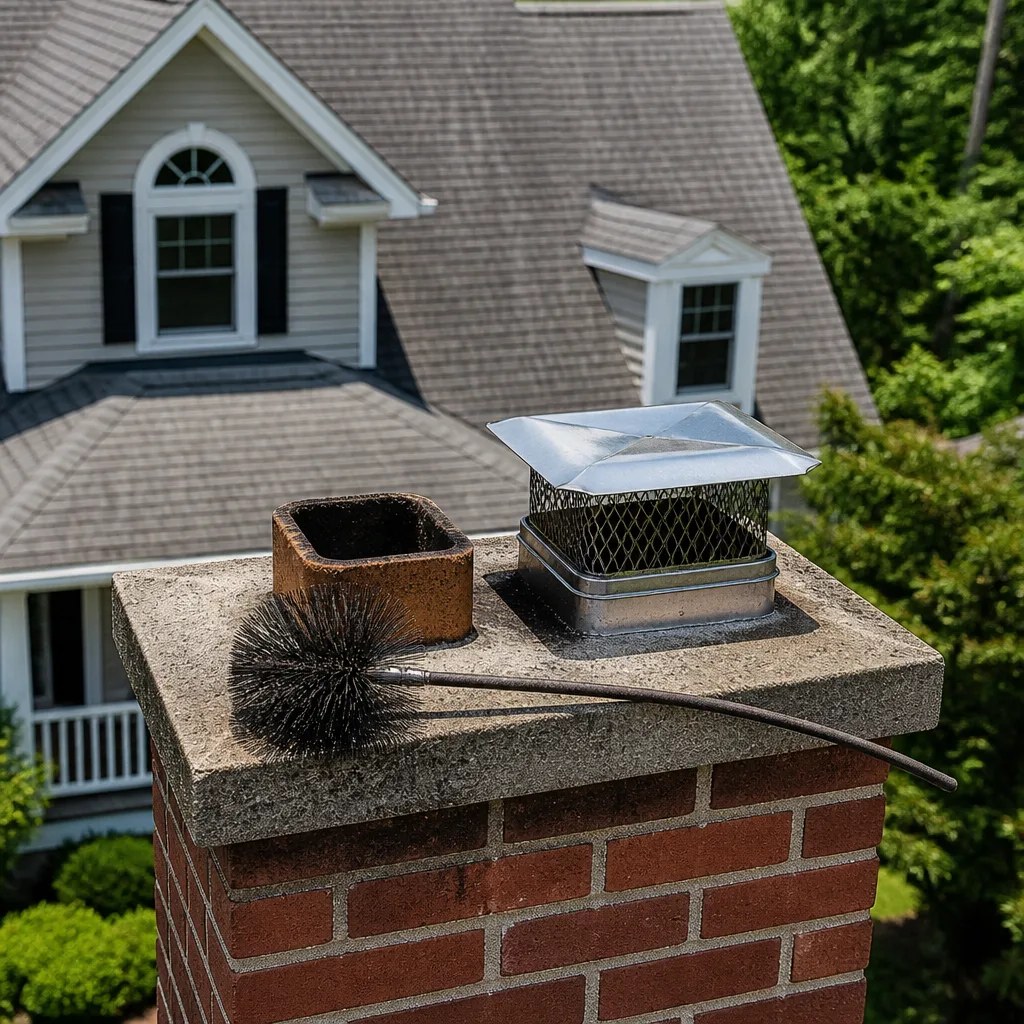 Sweep & inspection
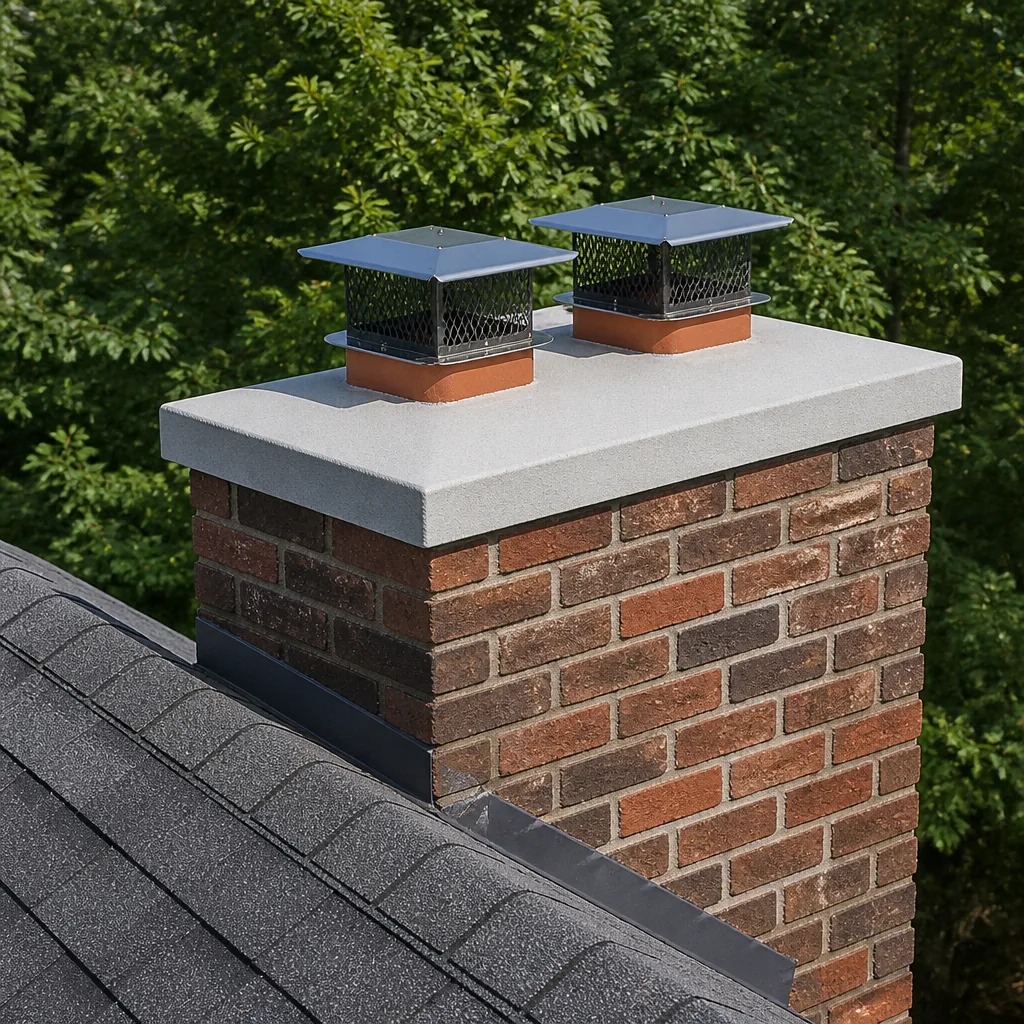 Caps & crowns
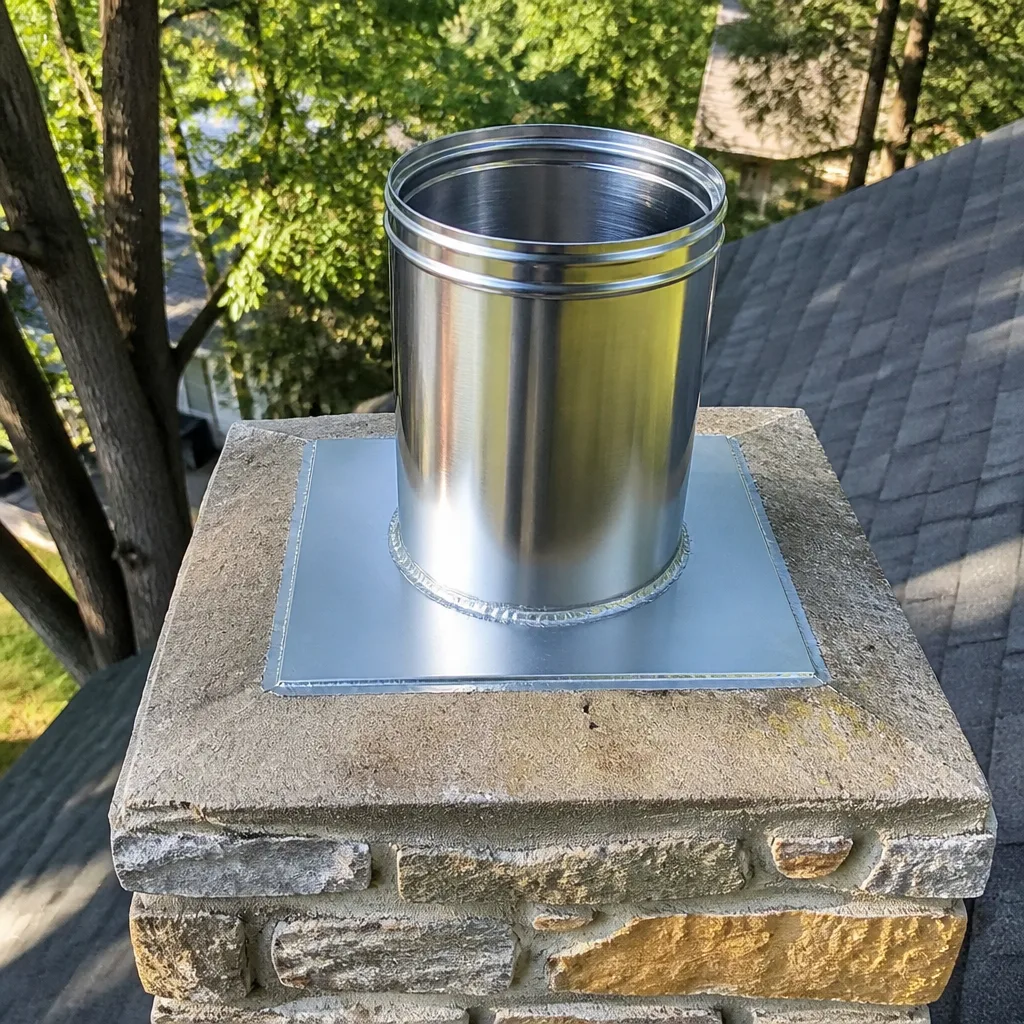 Flue relining
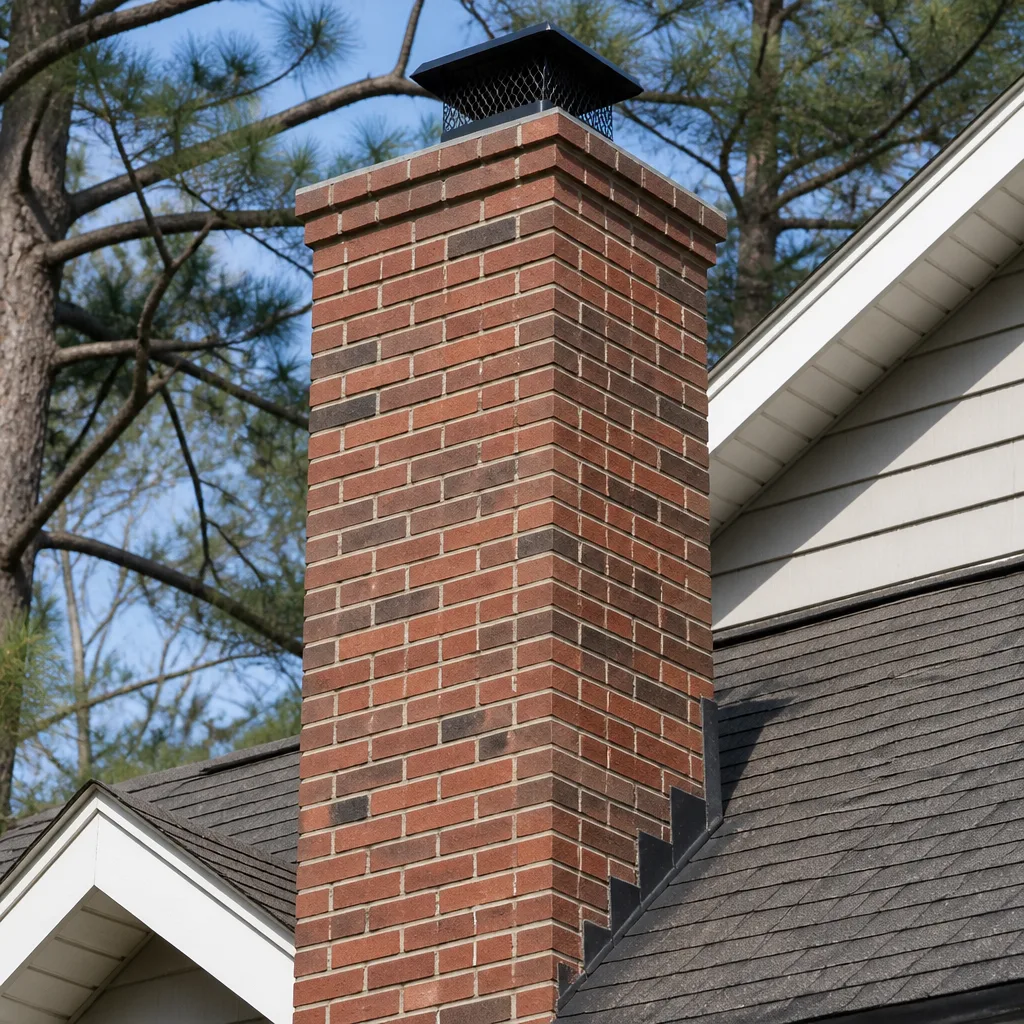 Masonry repair
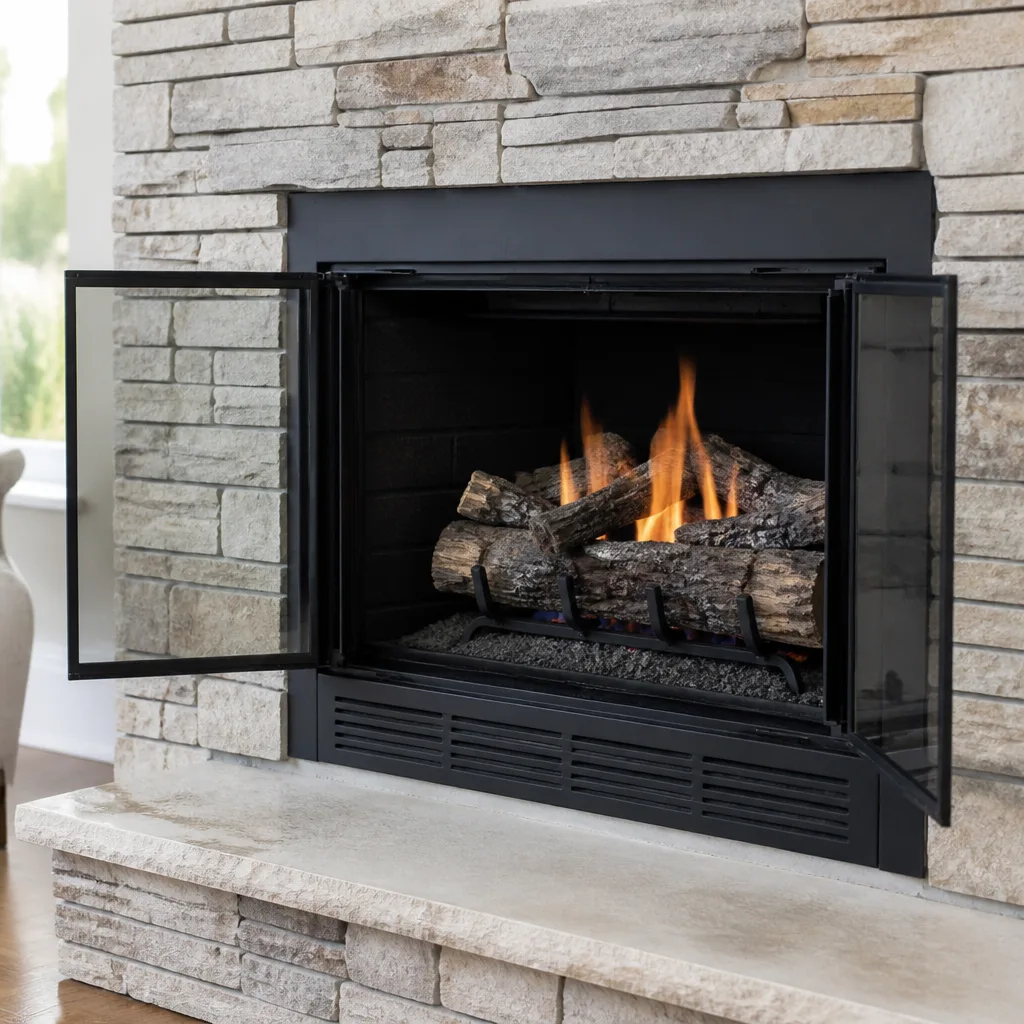 Gas fireplace service
Level 1 sweep and inspection to the NFPA 211 annual standard - flue, crown, cap, and flashing checked and photographed
Chimney sweep logs do not sweep chimneys. They loosen some creosote - which then falls where a brush and vacuum still have to collect it.
The Complete Guide to Chimney Cleaning in Bellevue
Most chimney fires aren’t caused by dirty chimneys. They’re caused by chimneys that were cleaned but never properly inspected afterward, leaving hidden cracks and deteriorated liners untouched. A brush clears what you can see. It doesn’t tell you whether the flue behind that soot can still safely carry heat and smoke out of your house. That gap between cleaning and understanding is where real problems hide, especially in a wet climate like Bellevue’s. This guide walks the full sequence of a proper chimney service: what gets swept, what gets inspected, what a sweep reveals about the next step, and how to tell whether your chimney needs simple maintenance or structural repair. By the end, you’ll know exactly what a thorough cleaning visit should cover in Bellevue and what to expect at each stage.
Quick Answer
Chimney cleaning in Bellevue is a sequence, not a single task: the flue gets swept, then inspected, then assessed, and repaired only if the inspection finds a problem. A proper visit includes removing creosote and soot, checking the liner, crown, cap and masonry for damage, and giving you a documented report of what was found. Cleaning without inspection tells you the chimney is clean, not that it’s safe.
Styles & brands we work with
- Sweep & inspection
- Caps & crowns
- Flue relining
- Masonry repair
- Gas fireplace service
Table of Contents
- Why Chimney Cleaning Is a Sequence, Not a Single Service
- Creosote Stages and What They Mean for Bellevue Wood-Burning Homes
- How Bellevue’s Wet Climate Accelerates Chimney Deterioration Between Cleanings
- The Tools Behind a Professional Sweep: Rotary Systems vs. Traditional Brushes
- Level 1 vs. Level 2 Inspections Under NFPA 211
- Why End-to-End Specialists Catch What Generalists Miss
- What Chimney Cleaning Costs in Bellevue
- How Often Should Bellevue Chimneys Be Cleaned?
Why Chimney Cleaning Is a Sequence, Not a Single Service
A chimney works as a system. The firebox, the damper, the smoke chamber, the flue, the liner, the crown, the cap and the masonry shell all depend on each other. Cleaning one part tells you almost nothing about the rest. That’s why a sweep-only visit can leave real dangers in place: the flue looks clear, but the liner behind it may have a crack that lets heat reach framing.
In Bellevue, where many homes were built with wood-burning fireplaces that see regular winter use, this sequence matters because each step reveals what the next one should address. Here’s how a full visit flows:
- Sweep. Remove soot and creosote from the flue, smoke chamber and firebox. This is the cleaning stage.
- Inspect. Look at the liner, joints, crown, cap and masonry for cracks, gaps or deterioration the sweep exposed.
- Assess. Decide whether what the inspection found is a maintenance item, a repair, or something that needs attention before the next heating season.
- Repair. Only if needed, fix the liner, crown, cap or masonry while the chimney is already open and accessible.
That last step is where end-to-end specialists earn their place. If the person sweeping your chimney can also reline it, install a cap or restore a crown, you don’t lose weeks handing the job to a second contractor who has to re-inspect everything first. Bellevue Chimney Sweep Co handles all five categories – sweeping, inspection, fireplace repair, chimney repair, and chimney cap & crown installation – so the sequence stays with one accountable team from first brush to final repair.
The point isn’t that every chimney needs repair. Most don’t. The point is that a cleaning visit should leave you knowing which category your chimney falls into, with evidence you can see.
Creosote Stages and What They Mean for Bellevue Wood-Burning Homes
Creosote is the tar-like residue left behind when wood smoke cools on the flue walls. It’s the main fuel source in chimney fires, and it forms in three distinct stages. The stage determines the cleaning method, not just how often you should schedule a sweep. That distinction is the one most homeowners never hear.
- First-degree creosote is light, sooty and flaky. It brushes off easily with standard tools. Most of what a regularly cleaned Bellevue flue carries is first-degree creosote.
- Second-degree creosote is harder: a crusty, tar-like layer that clings to the flue walls. Traditional brushes often skip over it. Rotary systems with the right attachment break it down.
- Third-degree creosote is glazed and hardened, baked onto the liner like glass. It’s the most flammable stage and can’t be removed with brushing alone. It often calls for chemical treatment followed by mechanical removal, or sometimes liner replacement if the flue is too far gone.
Why does this matter in Bellevue specifically? Because the region’s cool, damp winters encourage long, slow, smoldering fires, and smoldering fires produce far more creosote than hot, efficient burns. A homeowner who loads the stove and damps it down for an evenings-long burn is building second-degree creosote faster than someone who burns hot. The wet climate doesn’t just keep the wood damp; it keeps homeowners reaching for the damper.
In our experience, the stage of creosote is one of the single most useful things an inspection can tell you. If a sweep reports that your flue is coated in glazed third-degree creosote, the answer isn’t more frequent brushing alone. It’s a change in burning habits and a method that actually removes the glaze. Knowing the stage lets you plan the next season instead of repeating the same problem year after year. That’s a Bellevue-specific conversation worth having with your sweep.
How Bellevue’s Wet Climate Accelerates Chimney Deterioration Between Cleanings
Cleaning addresses what’s inside the flue. Bellevue’s weather attacks the outside. The Pacific Northwest’s wet, cool winters mean masonry stays damp for long stretches, and that has a direct effect on the crown and the mortar joints between cleanings.
The crown is the concrete or masonry cap at the very top of the chimney that sheds water away from the flue. When a crown develops a hairline crack, water gets in, freezes, expands and widens the gap. Over a few seasons, that small crack becomes a real entry point for water into the chimney structure. The same happens to mortar joints: damp masonry plus freeze-thaw cycles plus the natural movement of a house equals joints that crumble and let water seep behind the brick.
This is why inspection isn’t optional between cleanings in Bellevue. A sweep can only report on what’s inside the flue. The crown, the cap and the exposed masonry above the roofline are exactly where the climate does its slow damage, and they’re only visible from the top down. A proper chimney sweep visit includes a look at those exterior components, not just the flue interior.
When water does get in, the damage compounds. Damp masonry means deteriorated mortar. A failed crown means water tracking down the flue. A missing or damaged cap lets rain and debris straight into the flue. And Seattle-area freezing temperatures push small cracks into big ones. Catching these early is far cheaper than rebuilding a chimney that’s been taking on water for years.
Bellevue homeowners who heat with wood through the wet months should treat the exterior check as part of the routine, not an extra. It’s the single best defense against the structural repairs that would otherwise sneak up on you. A cap and crown service done the same visit can stop water intrusion at the source, which is exactly the kind of fix most sweep-only companies can’t execute on the spot.
The Tools Behind a Professional Sweep: Rotary Systems vs. Traditional Brushes
The tool choice matters because creosote stage, flue type and liner condition all dictate how a flue should be cleaned. Two main systems do the work, and a professional sweep decides between them based on what the flue actually contains.
Traditional brushes. These are the classic wire, poly or nylon brushes on flexible rods, worked up and down the flue by hand. They’re well suited to first-degree creosote and standard masonry flues in good condition. They’re gentler on some liners and give the technician direct feel for the flue walls.
Rotary systems. These use a spinning brush or chain head on a power-driven cable or rod, and they break down second-degree and glazed creosote that hand-brushing leaves behind. They’re the right call when the flue is heavily coated, when a liner has ridges or offsets, or when a previous sweep missed compacted deposits.
A thorough sweep usually includes both approaches at different points in the visit. The sequence looks like this:
- Assess first. The technician checks the flue condition and creosote stage before choosing tools, rather than assuming a brush is enough.
- Protect the room. Drop cloths and a vacuum with proper filtration keep soot out of the living space before anything goes up the flue.
- Clean from the top or bottom as appropriate. The access point depends on the chimney’s configuration and the liner type.
- Inspect during and after. The sweep checks the liner and joints as deposits come off, because cleaning reveals what was hidden.
Bellevue homes with older masonry chimneys and clay-tile liners often need a gentler hand than a modern stainless flue, and knowing which is which is the difference between a clean flue and a damaged one. Materials matter here too. When repair is called for, we work with trade-grade products like HeatShield, Gelco and Olympia Chimney rather than hardware-store substitutes. HeatShield liner restoration, for example, can address a deteriorating flue without tearing out the old liner, which is an option many sweep-only outfits don’t stock or offer. That’s the kind of decision that only happens when the person holding the brush is the same one who understands the liner.
Level 1 vs. Level 2 Inspections Under NFPA 211
NFPA 211 is the national standard that governs chimney inspections, and it defines the levels. Knowing which level you need matters because they cover very different ground, and a sweep visit typically includes the lower level, not the higher one. A Level 1 inspection is a visual check of the readily accessible portions of the chimney and connected appliance, done when conditions haven’t changed. A Level 2 inspection goes further: it includes a check of accessible portions of the attic, crawlspace and other accessible areas, and it’s typically called for after a change in the system, a chimney fire, a change of fuel type, or when a property changes hands.
Here’s how the two compare:
- Level 1 – visual assessment of accessible flue, firebox, damper and exterior components during routine cleaning or annual maintenance. It confirms the chimney is clear and shows no obvious defects.
- Level 2 – everything in a Level 1 plus inspection of accessible portions of the chimney structure, connections and accessible attic or crawlspace areas. Often includes a video scan of the flue interior. Required for real estate transactions and after events that may have caused hidden damage.
- Higher levels – reserved for specific situations where the chimney has been damaged or a diagnosis requires more access.
The practical takeaway for Bellevue homeowners: routine cleaning usually pairs with a Level 1 inspection, but if you’re buying or selling a home, or you’ve had a chimney fire, or you’re switching from wood to gas, you want a Level 2. That’s a documented assessment you can hand to an insurance carrier or a real estate agent. We offer inspection as a standalone service precisely for that reason, so buyers, sellers and property managers can get a credentialed chimney assessment without bundling it with other work. A sweep without the right inspection level can clean a chimney and still miss a cracked liner or a failing crown, because those live outside the routine visual path.
Why End-to-End Specialists Catch What Generalists Miss
A generalist handyman works across many trades, and that breadth comes at the cost of depth. When a handyman sweeps a chimney, the visit tends to end at the brush. The specialist, by contrast, reads the flue. That difference shows up most clearly in what happens after the cleaning.
Bellevue homeowners regularly call us after a general handyman has cleaned their chimney and left without flagging anything. Sometimes there’s nothing to flag. But often the flue has a deteriorated liner, a crown that’s cracked from the wet season, or a cap that’s loose or missing. Those aren’t failures of the sweep itself; they’re outside what a generalist is equipped to see and fix. The specialist who sweeps and inspects also knows what a repair should look like, because they perform them.
The result is single-company accountability. Your sweep, inspection and repair stay with the same team, so nobody re-diagnoses what was already found or hands you off to a second contractor. That continuity is the real value of working with a chimney specialist rather than a generalist with a brush: the visit doesn’t end when the cleaning does. If the sweep finds a problem, we can fix it in the same call. That end-to-end scope covers sweeping, inspection, fireplace repair, chimney repair, and cap and crown installation, all handled by the same team.
That matters more in Bellevue than in many places because the wet climate keeps working on the exterior between visits. A generalist can clear a flue; a specialist can tell you whether the crown, cap and liner will hold through the next heating season, and then do the work if they won’t. Our technicians have up to 11 years of experience, and that experience is what separates a cleaning visit from a real assessment.
What Chimney Cleaning Costs in Bellevue
Chimney cleaning in Bellevue is priced per job, based on the written estimate, but most homeowners want a ballpark before they call. Here’s how the typical ranges break down. Treat these as estimates only; the written estimate sets the final price.
- Chimney sweeping – a standard sweep covers the flue, smoke chamber and firebox on an accessible chimney.
- Inspection (Level 1) – often bundled with a sweep when the visit includes a routine maintenance check.
- Inspection (Level 2) – a more thorough assessment with interior access and often a video scan; priced separately from a sweep.
- Crown or cap repair – depends on whether the work is a repair or a replacement and the condition of the masonry around it.
- Liner repair or relining – the largest variable, since it depends on liner length, condition and whether HeatShield restoration can preserve the existing liner.
Two things are worth knowing about cost. First, sweeping is the low-cost entry point, and inspection is what protects the rest of the investment; skipping it is how small repairs become expensive ones. Second, the price of repair is set by what the inspection actually finds. Nothing gets recommended without evidence you can see for yourself, and we’ll tell you plainly when work can safely wait. An estimate is free, so there’s no reason to guess. Call (833) 509-4335 for a free estimate on your chimney cleaning in Bellevue, or to book a standalone inspection if that’s all you need.
How Often Should Bellevue Chimneys Be Cleaned?
The short answer is at least once a year for a chimney you use, and more often if creosote builds faster than normal. The longer answer depends on how, how much and what you burn. A Bellevue homeowner who heats with wood through the wet months will build creosote faster than someone who lights a fire a few times each winter, and a damp burn cycle in the Pacific Northwest helps creosote accumulate rather than burn off clean.
Use these guidelines:
- Annual sweep for active wood-burning chimneys. Once a year keeps the flue clear and gives a baseline inspection.
- Sweep more often with heavy use or slow burns. If you damp the stove down for long evening burns, expect faster creosote build-up.
- Inspect even when the sweep is clean. The inspection is what catches the liner, crown and cap issues the climate creates.
- Get a Level 2 before or after a property transfer. Buyers, sellers and property managers should treat it as part of the transaction.
- Inspect after any chimney fire. Even a small fire can damage the liner in ways that only a proper inspection reveals.
The annual rhythm fits Bellevue well because it lines up with the heating season: sweep before the wet months begin, inspect the exterior while you’re at it, and fix anything the inspection exposes before you start burning again. That’s the sequence that keeps a chimney working rather than just clean.
Common Mistakes to Avoid
- Skipping the inspection after a cleaning. A swept flue that was never inspected has only been cleaned, not assessed. Hidden liner cracks and failing crowns are exactly what a sweep alone won’t catch.
- Burning slow, smoldering fires all winter. Damping down the stove for long evening burns builds second- and third-degree creosote faster than hot, efficient fires, so a Bellevue homeowner can need more frequent sweeps than they expect.
- Ignoring the crown and cap until water gets in. In a wet climate, a hairline crown crack widens every freeze-thaw cycle. Waiting until you see ceiling stains means the water has already been traveling.
- Hiring a handyman who only sweeps. A generalist with a brush can clear a flue but can’t fix a liner, cap or crown on the same visit, so the repair gets delayed or handed off.
- Treating a missing cap as cosmetic. A missing or loose cap lets rain, debris and animals into the flue. It’s one of the cheapest problems to fix and one of the more expensive to ignore.
- Skipping the Level 2 inspection on a home purchase. A routine sweep doesn’t document the flue for a real estate transaction or insurer. A standalone inspection does.
- Guessing at creosote stage. Without knowing whether you have first-, second- or third-degree creosote, you can’t tell whether a brush is enough or a rotary system and likely a liner assessment are needed.
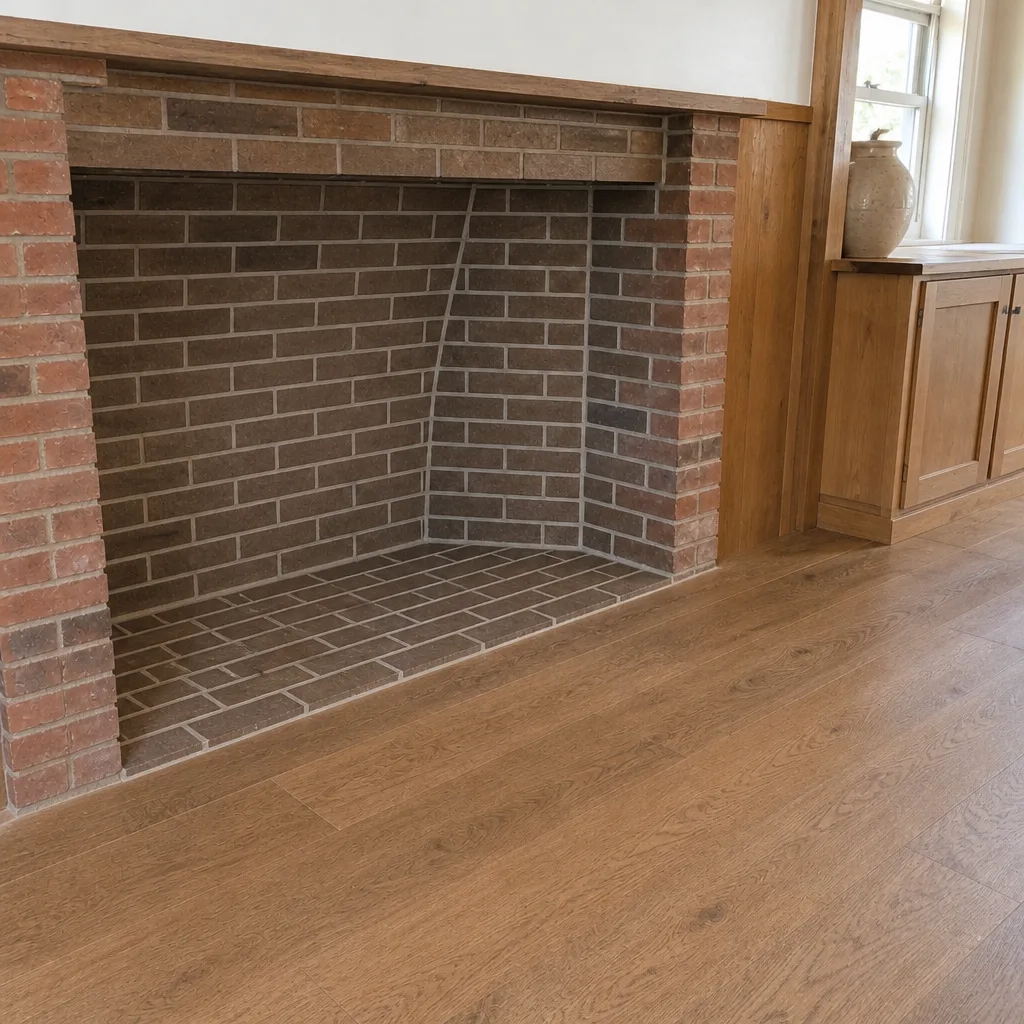
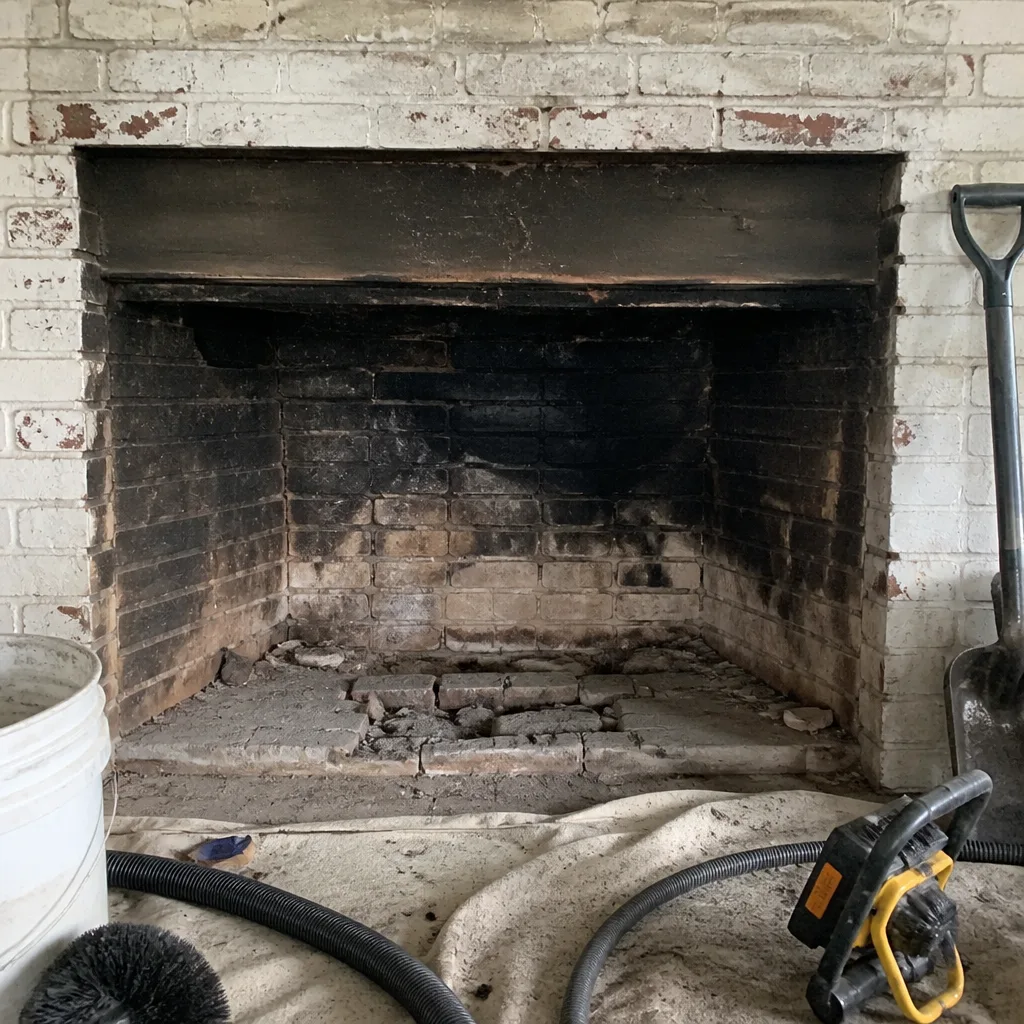
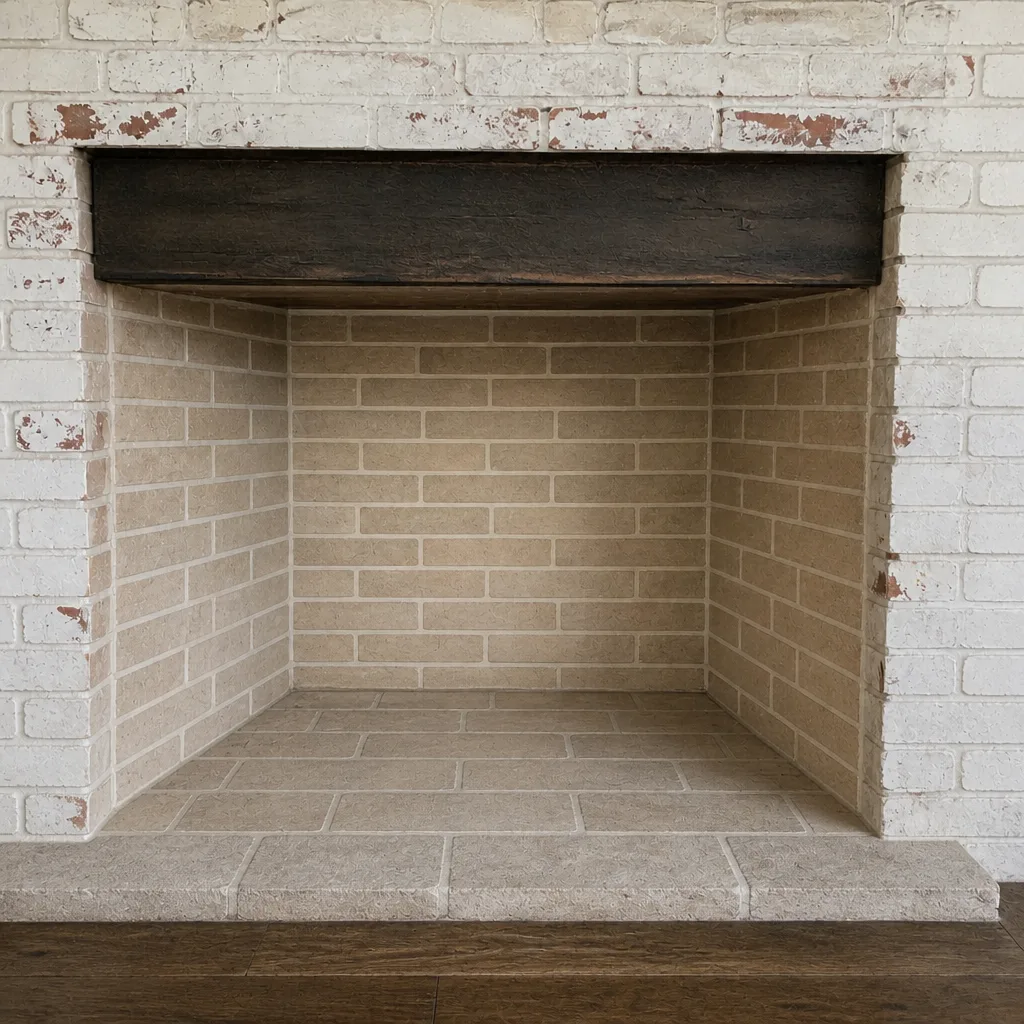
See the difference
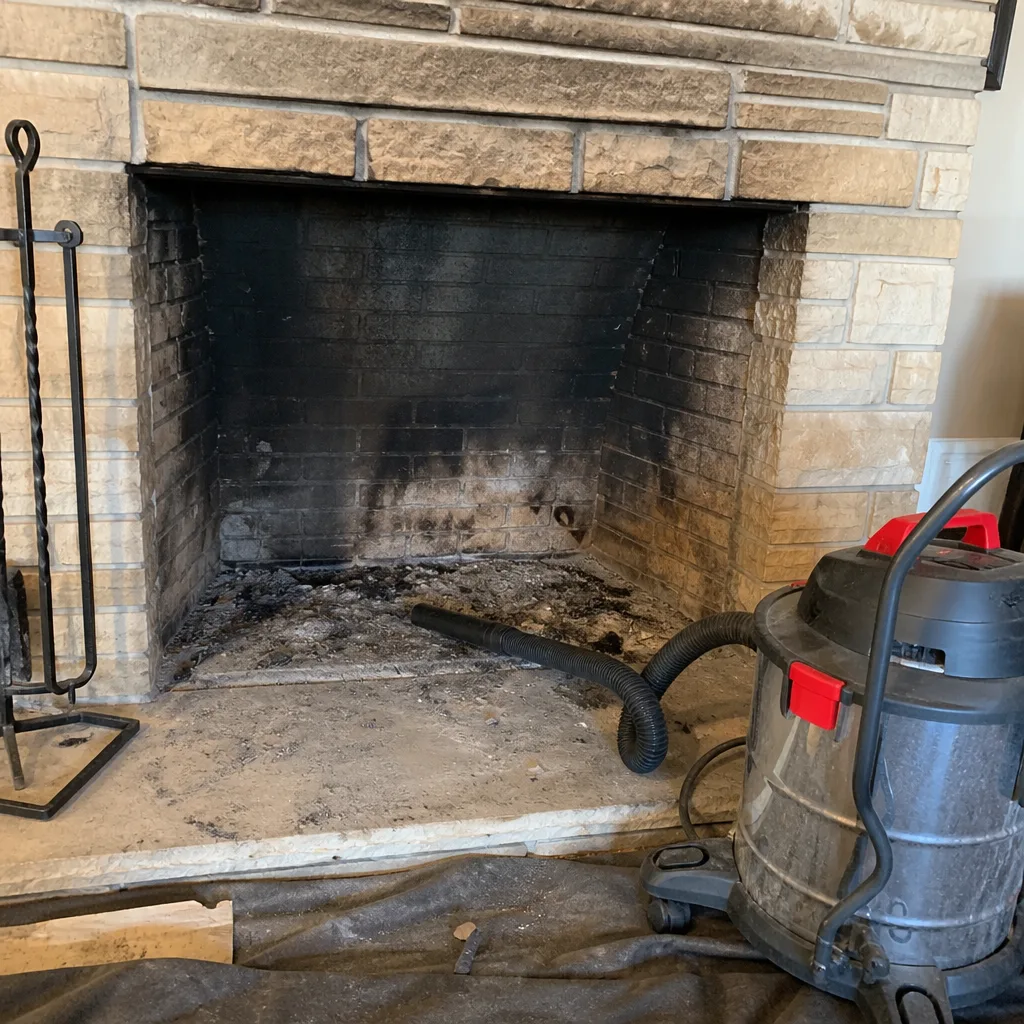 Before
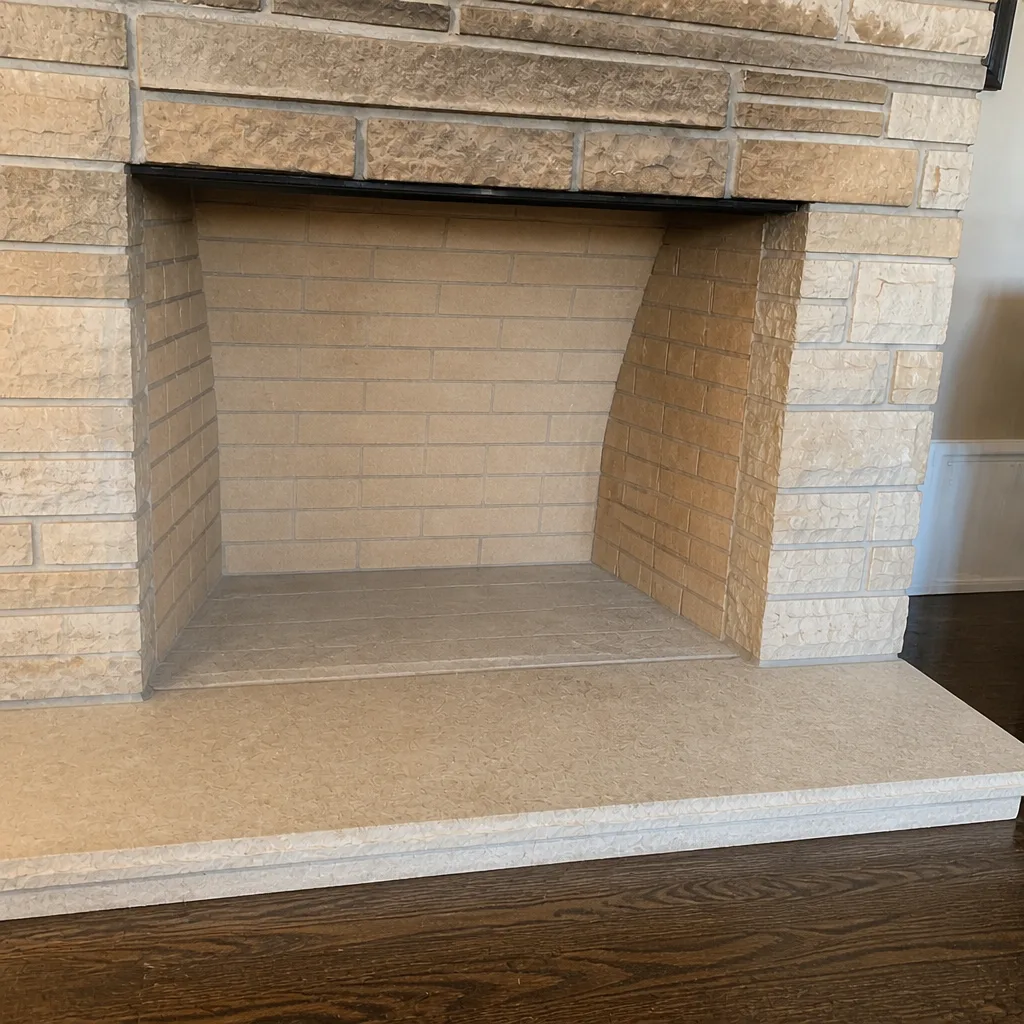 After
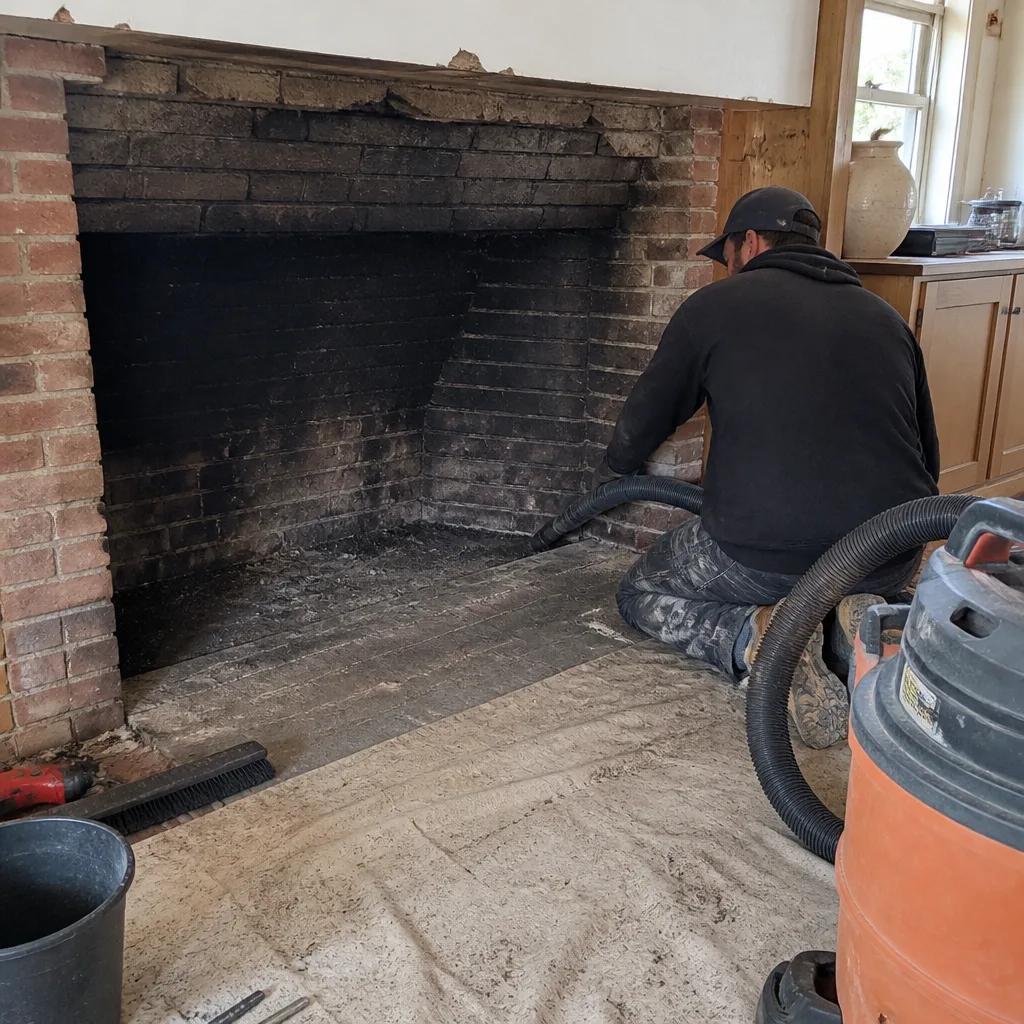 Before
 After
 Before
 After
When to Call a Professional
Call a professional for any chimney work involving the flue interior, the liner, or the structure above the roofline. The systems that keep a chimney safe – the liner, the crown, the cap and the masonry shell – are also the ones that are dangerous to service from a ladder or by hand. This is specialized, sometimes high work, and a trained professional with the right tools and inspection equipment is the right call every time.
Specific signs it’s time to book a visit: a flue that hasn’t been swept in a year of regular burning, a home purchase or sale that needs documented inspection, a chimney fire (even a small one), a loose or missing cap, visible cracks in the crown or mortar, water stains around the firebox, or a persistent smell of smoke in the room. Any of those point to something a sweep and inspection should assess, and Bellevue Chimney Sweep Co offers free estimates in Bellevue. Call (833) 509-4335 to book one.
Frequently Asked Questions
Chimney sweeping in Bellevue is priced per job, and the written estimate sets the final price. A standard sweep covers the flue, smoke chamber and firebox, while a Level 2 inspection with a video scan is a separate item; that’s why a sweep alone is the lower-cost visit. The estimate itself is free, so call (833) 509-4335 to book one for your home.
Not always. A liner only needs replacement when inspection finds it cracked, deteriorated or unsafe for the appliance connected to it. HeatShield liner restoration can address some deteriorated flues without tearing out the old liner, and we won’t recommend replacement without evidence you can see for yourself. If the liner is sound, we’ll tell you. Call (833) 509-4335 if you want that assessment.
At least once a year for a chimney you actively use, and more often if you burn wood heavily or bank the stove for long, slow burns. Bellevue’s wet, cool winters encourage smoldering fires, which build creosote faster than hot burns. Pair the annual sweep with an inspection to catch crown and cap issues the climate drives. Call (833) 509-4335 to schedule a sweep and inspection.
Skipping a sweep and inspection lets creosote build to second or third degree and lets liner, crown and mortar damage go unnoticed. That combination raises the risk of a chimney fire and of water intruding into the masonry. You may also develop a smell of smoke in the room or discover a problem only when it’s already spread. Call (833) 509-4335 before the next heating season.
A Level 1 is a visual check of the readily accessible portions of the chimney during routine maintenance; a Level 2 goes further, includes accessible attic and crawlspace areas, and often a video scan, and it’s the standard for real estate transactions and after a chimney fire. If you’re buying or selling a home in Bellevue, you want the Level 2. We offer inspection as a standalone service, so call (833) 509-4335 to book one.
Yes. That’s the advantage of working with a dedicated chimney specialist: sweeping, inspection and repair stay with the same team, so a problem found during the sweep can be addressed in the same call instead of being handed to a second contractor. Our technicians have up to 11 years of experience, and we stock and install trade-grade products from brands like Famco and Olympia Chimney. Call (833) 509-4335 for a free estimate.
The Bottom Line
Chimney cleaning in Bellevue is really a sequence: sweep, inspect, assess, and repair only when the evidence calls for it. Creosote stage decides the method, Bellevue’s wet climate keeps working on the crown and mortar between visits, and the inspection level you choose (Level 1 for routine maintenance, Level 2 for transactions and after a chimney fire) determines what you actually learn about your flue. A generalist can clear a chimney; a specialist can tell you whether it’s safe and fix it if it isn’t. That’s why the sequence, done by one accountable team, is worth more than a cheap brush.
Sweeping, inspection and repair from one team that stocks trade-grade materials and gives you evidence you can see: that’s how Bellevue Chimney Sweep Co handles the full lifecycle of a chimney. If your flue is due for a cleaning, or you need a documented inspection, reach out. Call (833) 509-4335 for a free estimate. We answer 24/7. Fast dispatch from 7am to 7pm, Sunday through Friday. Visit Bellevue Chimney Sweep Co to see the full range of chimney and fireplace services, or call to book your sweep and inspection today.
Written by the team at Bellevue Chimney Sweep Co.